Study design
This observational cross-sectional study used data from the baseline assessments of the TEMPUS randomized controlled trial (ClinicalTrials.gov ID: NCT05897073) [18]. The trial was approved by the Granada Provincial Research Ethics Committee (ref. CEI Granada—0365-N-23). Additional details regarding the study design are described elsewhere [18]. During the two-week lead-in period prior to the intervention, participants were instructed to wear an accelerometer for 14 consecutive days (24 h/day), and report dietary intake through non-consecutive 24 h dietary recalls [19]. This study adheres to the STROBE guidelines (Table S1) [20]. The study protocol and experimental design were applied following the last revised ethical guidelines of the Declaration of Helsinki. The study was carried out at the Sport and Health University Research Institute and the San Cecilio and Virgen de las Nieves University Hospital of the University of Granada.
Participants
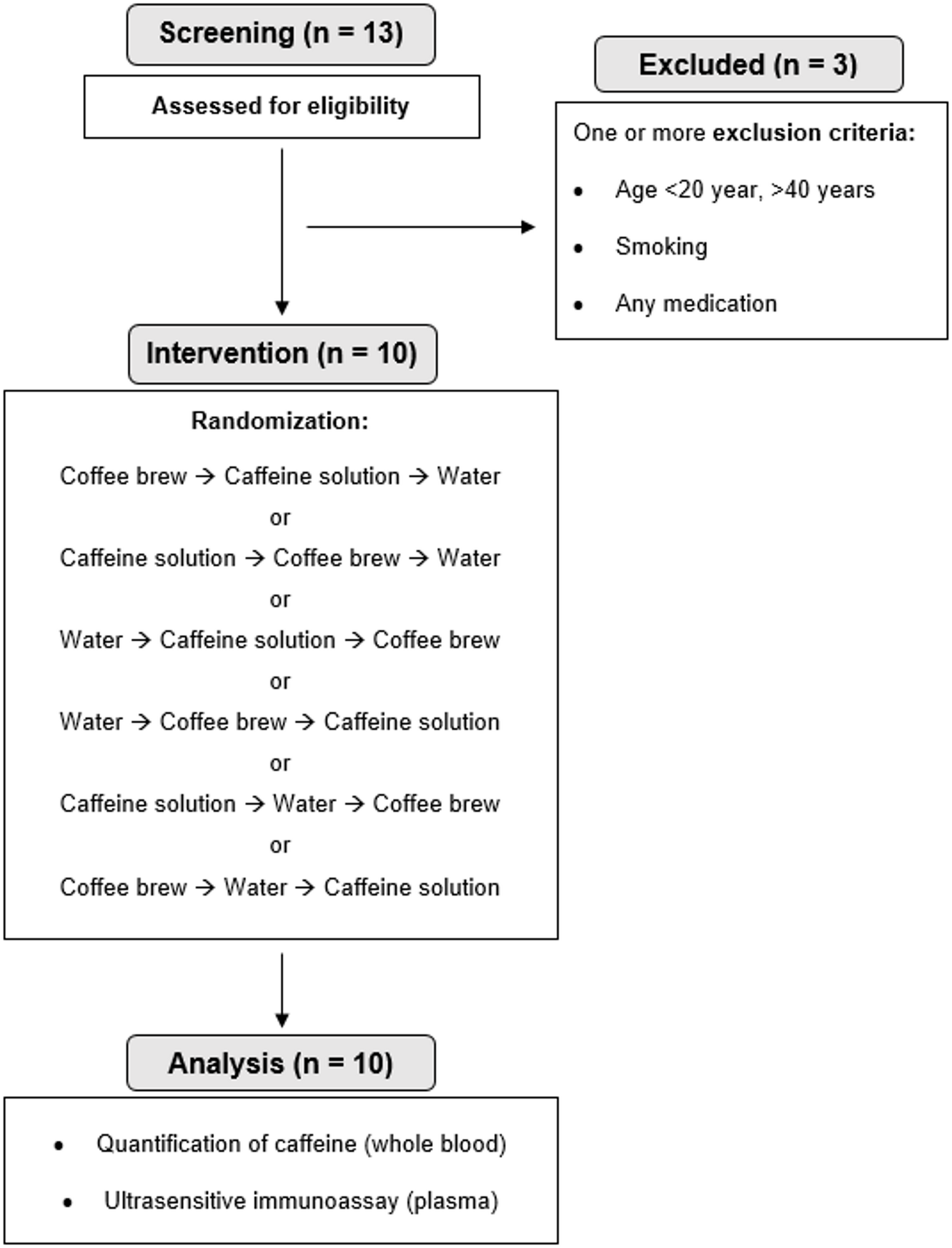
Potential participants were recruited in fourteen consecutive waves of 10 to 15 participants from 2nd May 2023 to 27th April 2024. Men and women were recruited from newspaper advertisements, the Endocrinology and Nutrition Unit of the San Cecilio and Virgen de las Nieves University Hospitals of Granada, and the University of Granada community. Inclusion criteria were (i) a body mass index (BMI) ranging from ≥ 30 to < 40 kg/m2, (ii) a habitual eating window of at least 11 h, and (iii) stable body weight (within 3% of screening weight) during the preceding 2 months. Exclusion criteria included a diagnosis of diabetes, cardiovascular disease, major sleep or eating disorders, or any significant medical condition that could interfere with or be exacerbated by exercise; shift workers engaged in nocturnal hours; pregnancy or lactation; or participation in a weight loss or a supervised exercise program (1). Before enrollment, potential participants underwent clinical and physical examination assessments to verify their eligibility. Eligible participants received detailed study information and provided informed consent, and those who decided to participate completed the lead-in assessments (Fig. S1).
To better understand how metabolic health status—potentially reflecting differences in metabolic stress—may influence the relationship between dietary intake and sleep, participants were classified as metabolically healthy individuals with obesity (MHO) or metabolically unhealthy participants with obesity (MUO) according to previously established criteria [21]. MUO was defined as having a BMI ≥ 30 kg/m2 accompanied by at least one of the following comorbidities: a) fasting triglyceride levels ≥ 150 mg/dL; b) fasting high-density lipoprotein cholesterol (HDL-C) levels < 40 mg/dL for men and < 50 mg/dL for women; c) resting systolic blood pressure ≥ 130 mmHg or diastolic blood pressure ≥ 85 mmHg; d) fasting glucose levels > 100 mg/dL; or e) current medication for triglycerides, cholesterol, blood pressure, or glucose disorders. MHO was defined as having a BMI ≥ 30 kg/m2 and none of the above-mentioned risk factors.
To examine how meal timing—an important factor influencing metabolic health and disease risk—may affect the relationship between dietary intake and sleep, participants were categorized based on the timing of their meals. Specifically, participants were classified as early or late dinner eaters based on whether dinner was consumed before or after 21:30 in dinner-sleep observations, and as early or late breakfast eaters if breakfast was consumed before or after 9:00 in sleep-breakfast observations [22]. Lastly, as sleep duration may also modify the relationship between dietary intake and sleep, participants were classified as normal or short sleepers if their total sleep time was ≥ 6 or < 6 h, respectively, in both dinner-sleep and sleep-breakfast observations [23].
Sleep parameters and dietary intake
During the two-week lead-in period before the intervention, participants were instructed to maintain their habitual dietary, sleep, and physical activity patterns. Participants wore a triaxial accelerometer (ActiGraph GT3X + , ActiGraph LLC, Pensacola, Florida) on their non-dominant wrist to objectively monitor their daily physical activity and sleep patterns throughout the lead-in period. The accelerometers were configured to record raw acceleration data at a frequency of 100 Hz, 24 h per day, for 14 consecutive days. Participants logged their bedtime and wake-up times each day in a tailored mobile phone application for the study (Tempus: com.nnbi.app_extreme_granada; NNBi2020 S.L., Navarra, Spain).
After the two-week lead-in period finished, raw accelerometer data were downloaded using the ActiLife v.6.13.6 software (ActiGraph, Pensacola, FL, USA), and subsequently processed with the open-source R package GGIR [24]. Briefly, the Euclidean Norm of the raw accelerations Minus One (ENMO) with negative values rounded to zero was calculated over 5-s epochs. Non-wear periods were identified based on the magnitude and variability of the raw accelerations measured at each axis [25] and, when appropriate, imputed by the average ENMO at the same time interval during the rest of the recording days. Sleep and wake periods were determined using an automated algorithm based on the variability of the arm posture and guided by the sleep times reported by the participants [25, 26]. This process yielded information on sleep onset, sleep offset, sleep period time (i.e., time from sleep onset to sleep offset), total sleep time (i.e., the amount of time classified as sleep within the sleep period time), total awake time within the sleep period time (wake after sleep onset, WASO), number of awakenings during the sleep period time, and sleep efficiency. It should be noted that time in bed was unavailable; therefore, the sleep efficiency parameter reflected the ratio of total sleep time to sleep period time. Only data from participants with ≥ 70% valid recordings in the sleep period time were included in the analyses.
Dietary intake and timing for dinner and breakfast were assessed using one to two non-consecutive 24 h dietary recalls administered through face-to-face or online interviews by trained research nutritionists. These interviews involved a detailed assessment and description of the food consumed, using photographs of portion sizes to improve subjects' food quantification accuracy [27]. Energy and macronutrient group intake for both meals were calculated using the EvalFINUT® software (https://www.finut.org/evalfinut/), which employs the BEDCA (Base de Datos Española de Composición de Alimentos) database. Macronutrients were also calculated as a percentage of energy intake, fiber as fiber density (g/1000 kcal), and carbohydrate intake as carbohydrate to fiber and carbohydrate to sugar ratios. Individual food items were initially classified into 90 distinct food groups and subsequently regrouped into 31 broader food groups with similar dietary characteristics, aiming to simplify data complexity and facilitate the interpretation of results (Table S2) [28].
Finally, dinner dietary intake was paired with the subsequent sleep parameters, and sleep parameters were matched with the following breakfast dietary intake based on date and time. Dinner to sleep onset time was calculated as the difference between sleep onset and dinner time, while the sleep offset to breakfast time was determined by subtracting sleep offset from breakfast time (Fig. S2).
Anthropometry, body composition, and cardiometabolic risk markers
Anthropometric and body composition variables (weight, height, BMI, fat mass, fat-free mass, and visceral adipose tissue mass) were assessed under standardized conditions. Cardiometabolic risk markers (fasting glucose, insulin, HbA1c, lipid profile, and blood pressure) were measured with automated analyzers. Full methodological details for these variables are provided in the Supplementary Material.
Statistical analyses
The sample size for the TEMPUS study was calculated based on its primary outcome (change from baseline to 12 weeks in hepatic fat) [18]. As the present study is a secondary analysis using data from the former study, no specific sample size estimation was performed.
Descriptive data are expressed as mean (SD) when normally distributed or median (first–third quartile) when not, unless otherwise specified. Time variables are expressed as hours:minutes (hh:mm). Data normality was checked using histograms, Q-Q plots, box plots, and the Shapiro–Wilk test. We conducted Spearman correlation analyses to evaluate the relationship between dietary intake outcomes at dinner and subsequent sleep parameters and sleep parameters and following breakfast dietary intake, in the dinner-sleep observations and sleep-breakfast observations, respectively. Due to the multicollinearity observed among dietary intake variables and sleep parameters, we did not correct P-values for multiple comparisons using methods such as the Benjamini–Hochberg procedure, as it may overadjust the observed correlations [29]. Correlation analyses were performed separately according to sex (men and women), metabolic health status (MHO and MUO), meal timing (early and late eaters), and sleep duration (normal and short sleepers). Correlation analyses were performed using the corrplot R package (version 0.95).
In order to account for the repeated-measure structure of the data, linear mixed models with participants’ identifiers as random intercepts were used to assess the relationship between individual macronutrients at dinner and subsequent sleep parameters (unadjusted models), and subsequently adjusted for possible confounders, including age, sex, BMI, and moderate-to-vigorous physical activity (adjusted models). Sleep parameters were log10-transformed to meet the normality of the residuals in the models, and estimates were back-transformed for visualization to enhance interpretability. Considering the observed multicollinearity between energy and macronutrient intake at dinner (Fig. S3), we adopted the ‘nutrient density model’ [30], in which energy and macronutrients, expressed as percentages of dinner energy intake, were included as predictors in the models. Similarly, linear mixed models with participants’ identifiers as random intercepts were used to examine the relationship between individual sleep parameters and subsequent breakfast dietary intake (unadjusted models), and then adjusted for age, sex, and BMI (adjusted models). Due to multicollinearity between sleep parameters in sleep-breakfast observations (Fig. S4), we conducted a Principal Component Analysis (PCA) to extract illustrative, lower-dimensional representations of sleep patterns while minimizing redundancy. PCA results guided the selection of sleep offset, sleep period time, and WASO as the primary sleep pattern predictors in linear mixed models. Further details on the sleep parameters selection as predictors of linear mixed models can be found in the Supplementary Material. In both dinner-sleep and sleep-breakfast linear mixed models, variance inflation factor analyses confirmed that the selected predictors effectively minimized collinearity. Moreover, interaction analyses were conducted to determine if sex, metabolic health, meal timing, or sleep duration modified the observed results. When a significant interaction was detected, we performed linear mixed models separately within each subgroup. Linear mixed models were conducted employing the lme4 R package (version 1.1–36).
The level of statistical significance was set at P < 0.05. All data curation, statistical analyses, and figures were performed using R version 4.4.3 (https://cran.r-project.org/, The R Project for Statistical Computing, Vienna, Austria).
Patient and public involvement
Patients and/or the public were not involved in the design, or conduct, or reporting, or dissemination plans of this research.

Comments (0)