RNA modifications: one ring to map them all
Although first discovered decades ago, the modern era of RNA modification research truly began in 2012, with the rise of RNA sequencing (RNA-seq)-based methods for profiling RNA modifications transcriptome-wide (known as the epitranscriptome). This progress was especially relevant for the mRNA modification N6-methyladenosine (m6A), as sequencing advancements uncovered the extent of its physiological importance. Consequently, I and several other RNA biologists were inspired to develop improved RNA-seq tools to better sequence the epitranscriptome.
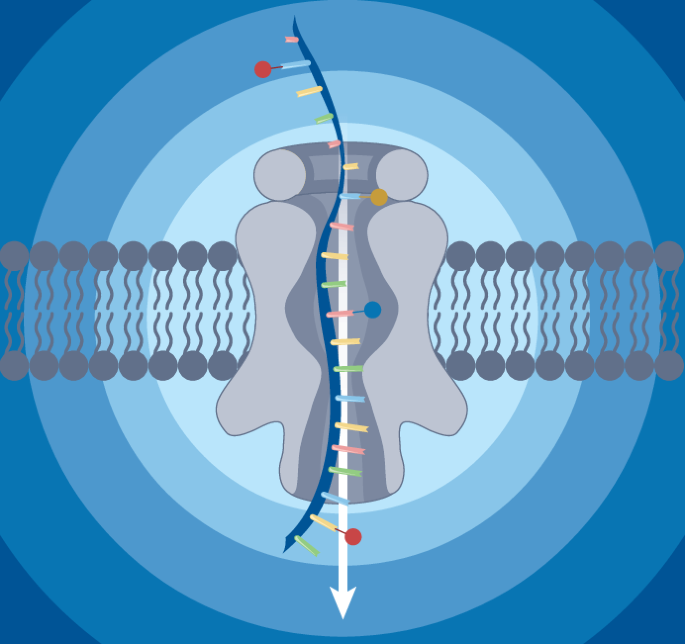
I had just started my lab in early 2018, when I heard about the paper by Garalde et al., reporting about direct RNA-seq. Immediately, my mind came up with a simple hypothesis: if direct RNA-seq can detect the four RNA nucleotides and if you consider m6A a fifth nucleotide, can we use direct RNA-seq to map m6A transcriptome-wide? The answer as demonstrated by my lab and many others was a resounding ‘yes’. By comparing the signal perturbations between ground truth direct RNA-seq datasets of modified versus unmodified RNA, we could develop a method to extract m6A profiles from direct RNA-seq raw data.



Comments (0)