NKX6.1 expression is linked to successful pancreatic islet transplantation
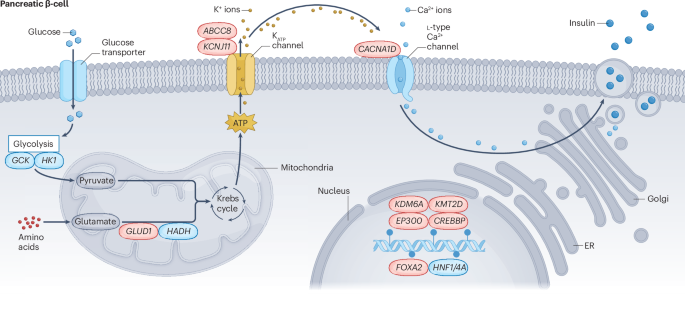
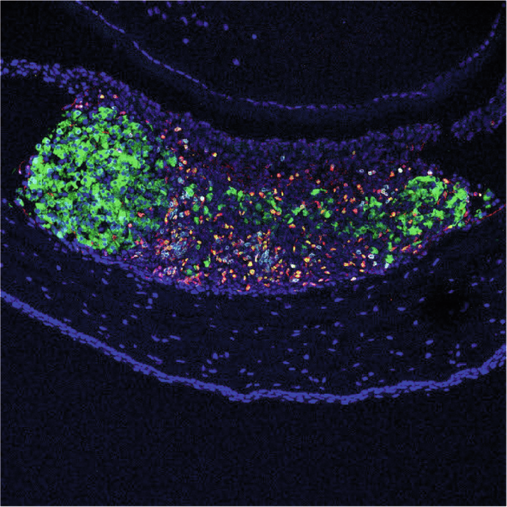
For people with type 1 diabetes mellitus, pancreatic islet transplantation can lead to long-term improvements in insulin secretion capacity, reducing dependence on exogenous insulin. However, islet transplantation is not always successful. Improving metrics for predicting whether islet preparations are likely to engraft and function well after transplantation could help to increase the effectiveness of this therapy. Now, a study published in Science Translational Medicine has described a new way of assessing islet preparations. This method involves measuring the expression of NKX6.1, which encodes a transcription factor produced by β-cells.
To investigate whether NKX6.1 expression was linked to islet function after transplantation, the researchers performed short hairpin RNA knockdown of NKX6.1 mRNA transcripts on islets from human donors, then transplanted these islets into immunodeficient mice. They found that, compared with control mice that received islet transplants in which non-targeting short hairpin RNA was used, the mice that received islet transplants in which NKX6.1 had been knocked down had substantially lower fasting plasma levels of human C-peptide.

Comments (0)