Antigen-specific Treg cells induce infectious tolerance
Regulatory T (Treg) cells can induce immune tolerance, making Treg cellular therapy a promising strategy to prevent autoimmunity. Clinical trials of Treg cell therapies so far have shown limited efficacy, probably due to the use of polyclonal Treg cells, which lack antigen specificity. A study in Science Translational Medicine demonstrates that Treg cells expressing a chimeric antigen receptor (CAR) specific to the HLA-A2 antigen (A2-CAR Treg cells) were able to induce persistent tolerance in a mouse model of type 1 diabetes mellitus.
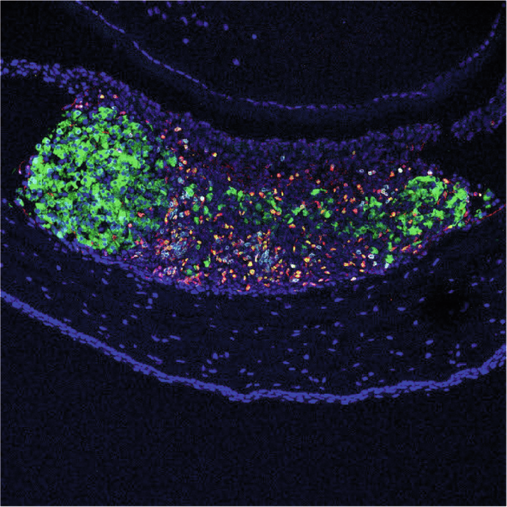
Mice injected with BDC2.5 Teff cells alone experienced hyperglycaemia and autoimmune destruction of both the transplanted and native islets. Of the mice co-treated with A2-CAR Treg cells, 82% were protected from hyperglycaemia, compared with only 33% of mice treated with BDC2.5 Teff cells plus polyclonal Treg cells. As expected, the A2-CAR Treg cells prevented the autoimmune destruction of the transplanted HLA-A2+ islet graft. Surprisingly, however, HLA-A2− islets in the pancreas were also protected, which suggests that the A2-CAR Treg cells had induced systemic tolerance even without the HLA-A2 antigen.


Comments (0)