
Remember me
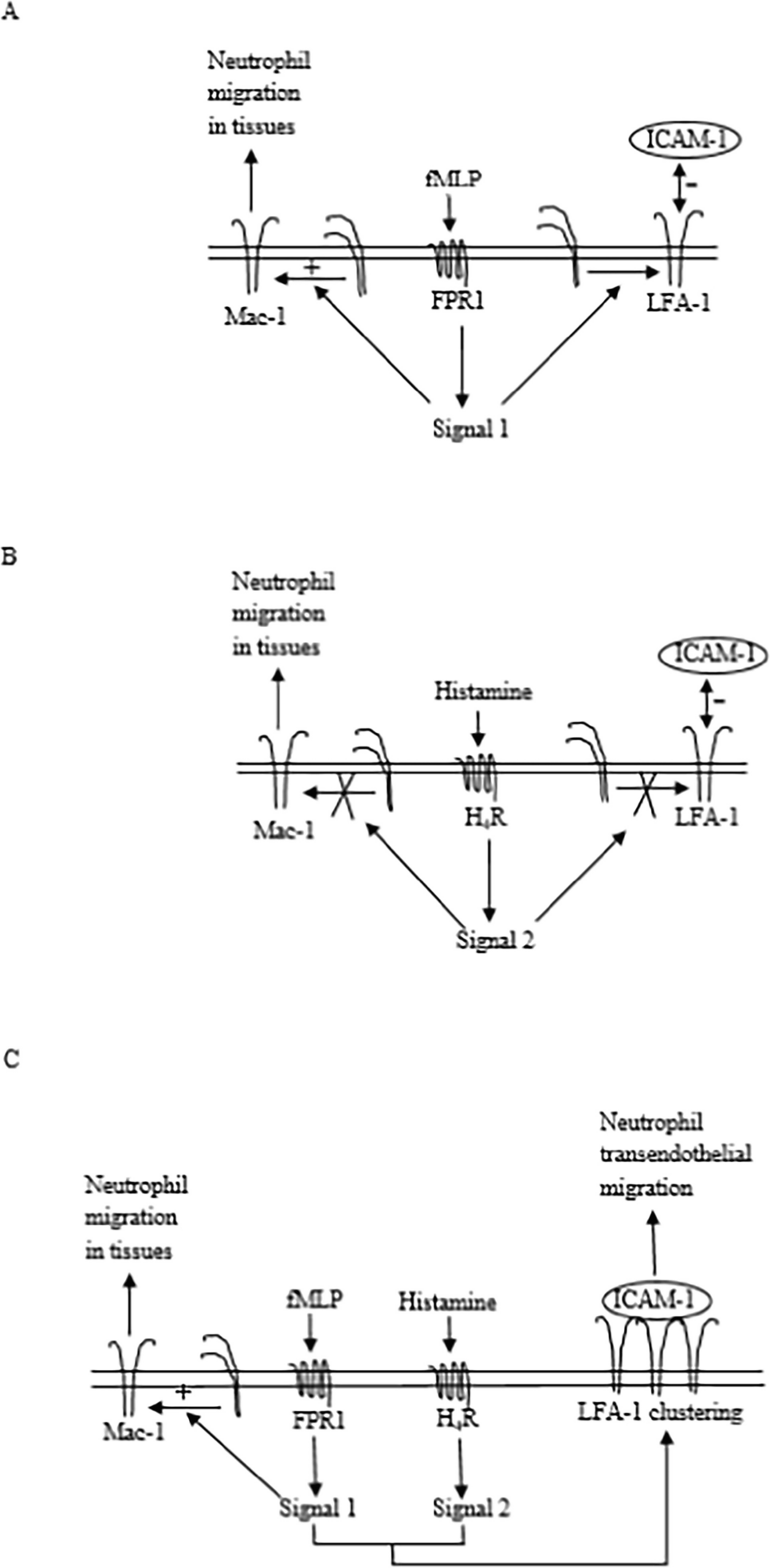


Neutrophils incubated on ICAM-1- or fibrinogen- coated plates produced histamine in response to fMLP indicating that histamine may be an intermediary chemoattractant promoting β2 integrin-dependent adhesion. fMLP, but not histamine or the histamine four receptor (H4R) agonist VUF 8430, augmented adhesion of neutrophils, or neutrophil-like PLB-985 cells, to fibrinogen, a Mac-1 ligand. This result may be explained by the fact that fMLP, but not histamine, augmented intracellular calcium, a pre-requisite for Mac-1 expression on the cell surface. fMLP- induced Mac-1- dependent adhesion was not affected by histamine or VUF 8430. fMLP induces conformational activation of LFA-1, but neutrophil adhesion to ICAM-1 was not augmented by fMLP. Histamine did not augment neutrophil adhesion to ICAM-1, as histamine does not induce conformational activation of LFA-1. Importantly, fMLP augmented neutrophil adhesion to ICAM-1 when combined with histamine or VUF 8430. Thus, activation of the H4R and the formyl peptide receptor 1 may be required to augment LFA-1 avidity. Histamine activated Rap1, Rac1/2 and Cdc42 in neutrophil-like PLB-985 cells. These effects were blocked by Src tyrosine kinase inhibitors (for Rap1 and Rac1/2 but not Cdc42). VUF 8430 activated these GTPases in PLB-985 cells and neutrophils indicating that the H4R controls neutrophil functions. Intriguingly, histamine inhibited fMLP-induced specific granule but not azurophil granule exocytosis by adherent neutrophils. Histaminase is present in specific granules. Therefore, inhibition of specific granule exocytosis may be a mechanism to limit the catabolism of histamine produced by adherent neutrophils to allow H4R-mediated inflammation through activation of monomeric GTPases and LFA-1.
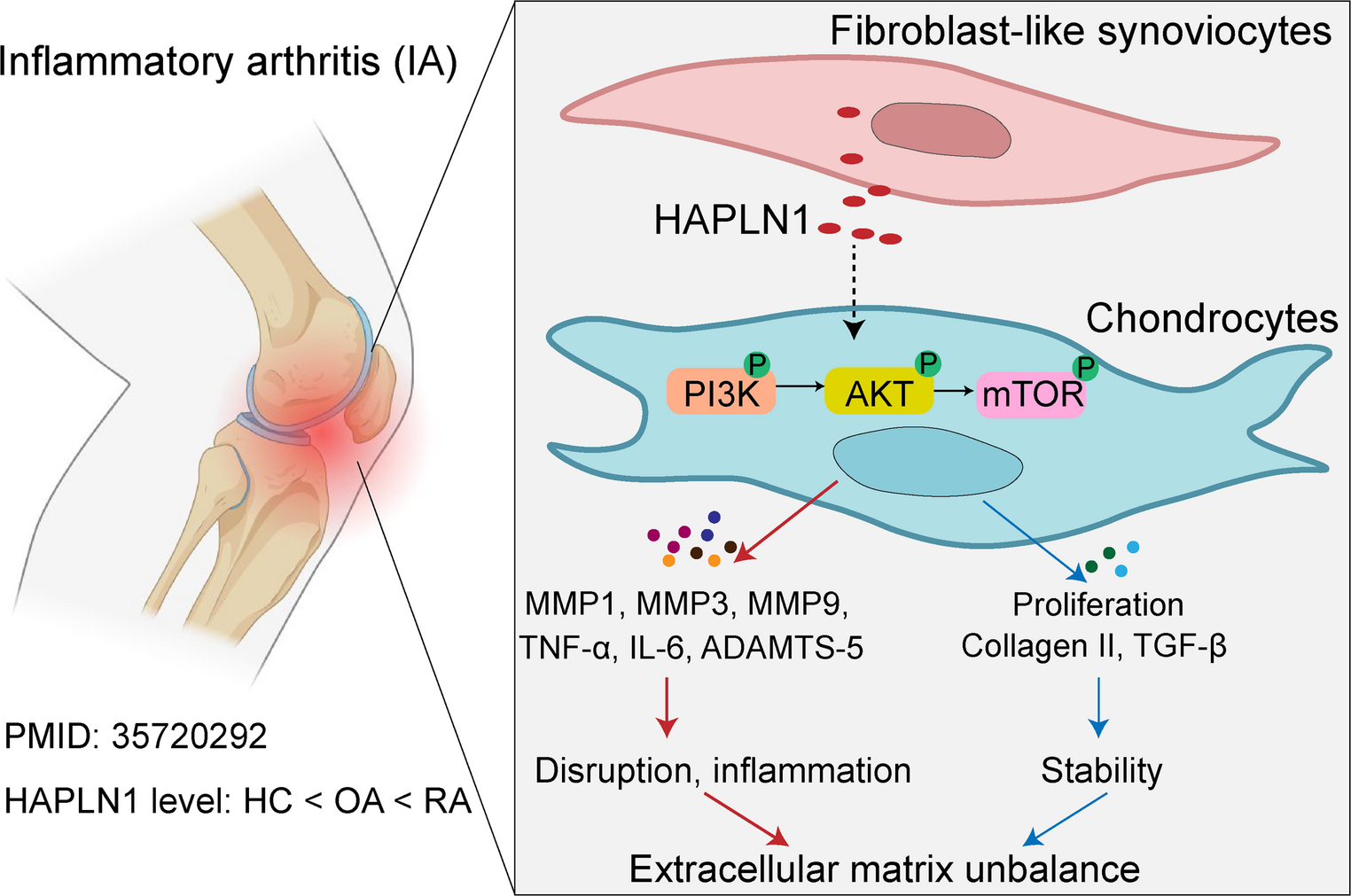
Graphical Abstract The alternative text for this image may have been generated using AI.
Comments (0)