
Remember me
In this study, technical and clinical complications, along with secondary treatments performed in response to these events, were systematically analyzed in 660 patients treated with FDSs at our institution. Periprocedural and postoperative complications were evaluated to identify factors associated with treatment success and to inform strategies aimed at improving patient outcomes.
In our study, 64 of the 660 patients (9.70%) experienced at least one complication, accounting for a total of 65 complication events. Early complications occurred in 33 patients (5.0%), while late complications were observed in 31 patients (4.70%), with one patient experiencing two late events. Secondary treatment was required in 39 patients (5.91%) (Table 6). By comparison, a large meta-analysis reported an overall complication rate of 17.0% in the literature [4]. Complications related to flow diversion were classified as peri-procedural (early) or post-procedural (late) and further categorized as technical or clinical. Technical complications occurred in 20 patients (3.03%) across both early and late periods. Reported rates of technical complications in the literature vary widely, ranging from 3.1% to 33.3%, largely depending on how technical complications are defined [5]. Most of these complications do not result in clinically significant sequelae [9].
Table 6 Secondary interventions by complication category (event totals vs. patients treated)In terms of secondary treatments for complications after FDS placement, there are relatively few studies in the literature, making meaningful comparison challenging [10,11,12,13]. Future larger-scale, multicenter studies examining secondary treatment strategies and outcomes will be crucial in guiding clinical practice and improving overall outcomes.
Stent migration is a rare but clinically relevant complication after flow-diverter stent (FDS) implantation. Insufficient stent apposition may impair aneurysm thrombosis and endothelial healing while increasing the risk of thromboembolic events and mechanical instability, potentially resulting in migration and incomplete aneurysm neck coverage. Migration may occur due to spontaneous device shortening, parent vessel–stent diameter mismatch exceeding 1 mm, reduced wall adherence in wide-neck aneurysms, suboptimal apposition—particularly in the absence of adjunctive balloon angioplasty—and distal displacement related to in-stent microthrombus formation [6]. Importantly, migration has been reported not only as an intra-procedural event but also as a delayed phenomenon, occurring up to 14 months after treatment [6]. In the patients included in our study, late-stage stent migration was not observed. While proximal migration is more common than distal migration, it is less likely to cause neurological deficits [6].
In the literature, Zhou et al. reported a stent migration rate of 5.8% in a systematic review encompassing 60 studies, whereas Maus et al. observed intra-procedural migration in 2.2% of 46 flow-diverter cases [14]. In our series, stent migration occurred in 11 patients (1.67%), demonstrating a comparable incidence to previously reported data. Secondary endovascular treatment was required in 10 of these patients, most commonly using reconstructive strategies such as telescopic deployment of an additional flow-diverter stent, balloon-assisted repositioning, or stent-assisted coiling; parent artery occlusion was considered in selected cases with sufficient collateral circulation when reconstructive strategies were not feasible [15].
In the present study, we focused specifically on severe stent deformations that were hemodynamically relevant and required secondary endovascular treatment, rather than attempting to quantify the overall incidence of all deformation patterns. Previous work by Popica et al. reported that fish-mouthing and braid collapse were significantly associated with higher morbidity, particularly in cases requiring retreatment [16].
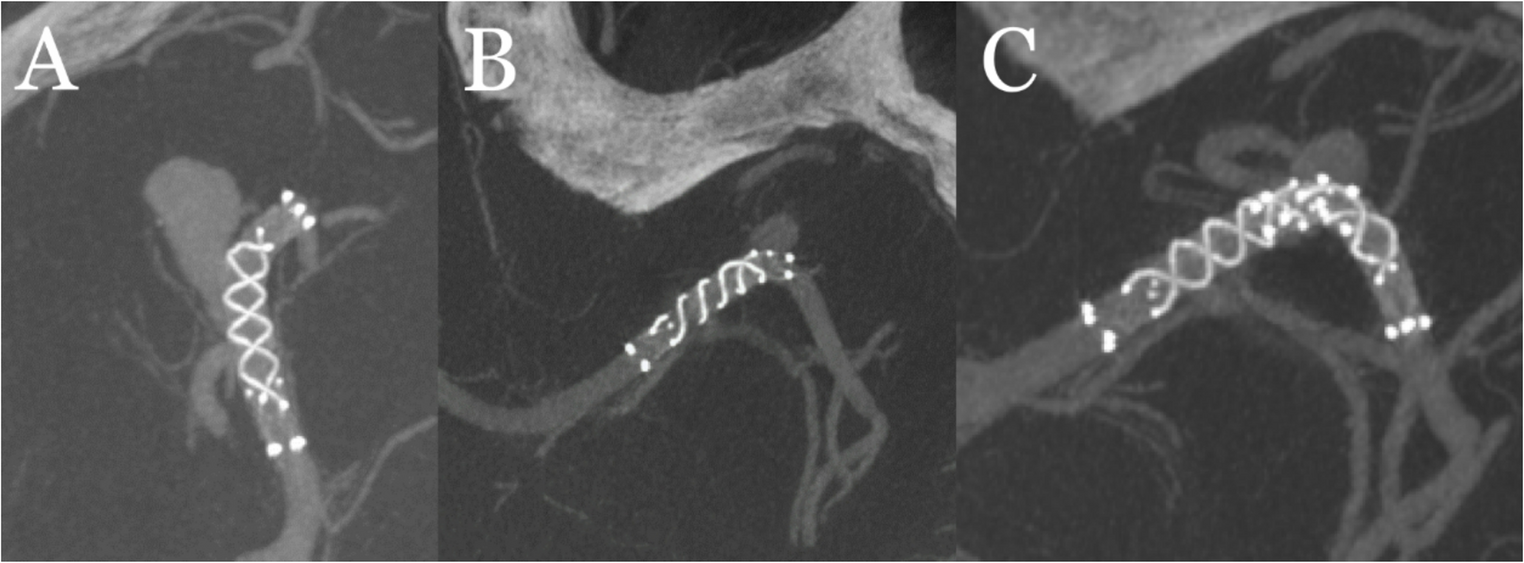
In our cohort, secondary endovascular treatment was required in four patients with hemodynamically significant fish-mouth deformity and braid deformation, managed with balloon angioplasty alone or balloon angioplasty combined with telescopic implantation of an additional flow-diverter stent, resulting in favourable angiographic reconstruction and no new permanent neurological deficits. However, deformations that were not classified as clinically or angiographically relevant were not systematically captured, and other deformation patterns such as braid collapse, foreshortening and braid bump were not prospectively graded according to the recently proposed “F2B2” framework [17]. This likely led to an underestimation of the overall deformation burden and represents an important limitation of our retrospective study; a more detailed, subtype-based analysis focusing the F2B2 classification is planned in subsequent work.
Beyond classification frameworks, the mechanical behavior underlying deformation patterns may also be influenced by intrinsic platform characteristics, including stent material composition and architectural design [18]. Cobalt–chromium–based constructions generally provide higher radial force and longitudinal stiffness, which may enhance wall support but can also influence foreshortening or migration dynamics in cases of diameter mismatch [19]. In contrast, more flexible nitinol-based platforms offer improved conformability in tortuous anatomy, yet may be more susceptible to deformation patterns under certain deployment conditions [20]. These considerations are offered to provide practical insight into platform behavior and should not be interpreted as evidence of device-level superiority.
During endovascular treatment, distal wire dissection or perforation can occur during microcatheter exchange over an exchange guidewire. Distal wire perforation occurred in 2 patients (0.30%) during the procedure, leading to extravasation. Temporary balloon occlusion was performed in these cases to control bleeding. Similarly, Pistocchi et al. reported an arterial perforation in the distal MCA caused by a distal wire during the placement of a Silk flow-diverter stent in a series of 30 patients. This complication was successfully managed with coil embolization as a secondary treatment, with no residual sequelae [21].
Aneurysm thrombosis after flow-diverter stent implantation occurs through two main mechanisms: conversion of intra-aneurysmal flow from turbulent to stagnant, promoting thrombosis, and progressive endothelialization across the aneurysm neck, resulting in permanent healing. Endothelialization involves mechanical injury, intimal hyperplasia, and healing. Neointimal proliferation may cause in-stent stenosis (ISS); although intimal hyperplasia is the primary mechanism, dual antithrombotic therapy may reduce early endothelial injury and platelet aggregation, thereby lowering the risk of thrombosis and stenosis. Platelet-mediated inflammatory responses further contribute to smooth muscle cell proliferation and stenosis formation.
In-stent stenosis (ISS) remains an incompletely characterized complication of FDS treatment, with widely variable reported incidence across devices. Reported ISS rates range from 6.3% to 57% for Silk stents [22, 23], 38.9% for the Pipeline Embolization Device 31% for p64, and 13.3% for Surpass stents [24, 25]. This heterogeneity is primarily attributed to differences in ISS definitions, grading criteria, and follow-up protocols [26].
In our cohort, ISS related to intimal hyperplasia was most frequently observed in segments treated with FRED stents; however, minor or borderline luminal narrowing may have been under-recognized, as such changes were not the primary focus of routine follow-up reporting. ISS management was guided by functional significance rather than angiographic appearance alone. Secondary endovascular treatment was performed in five patients with hemodynamically relevant or progressive stenosis using balloon angioplasty, with follow-up DSA demonstrating lumen widening, regression of stenosis, and no permanent neurological deficits. Because standardized ISS grading and routine quantitative lumen measurements were not applied, an overall ISS incidence was not reported, and the analysis focused on clinically significant cases requiring secondary endovascular treatment.
In our clinic, dual antithrombotic therapy is administered for six months after treatment, regardless of imaging evidence of ISS, followed by lifelong aspirin monotherapy (100–300 mg) in the absence of stenosis.
As endovascular treatment of intracranial aneurysms becomes more widespread, the risk of thromboembolic complications increases due to the thrombogenic nature of the coils and stents used in these procedures. The primary mechanism underlying thrombosis in these complications is thought to be platelet activation, as numerous studies have demonstrated that dual antithrombotic therapy significantly reduces the risk of thromboembolism. In recent years, several studies have examined whether prolonged dual antiplatelet therapy confers additional benefit after stent-assisted aneurysm treatment. Ozaki et al. reported in a randomized multicenter trial that extending DAPT beyond three months did not significantly reduce delayed ischemic stroke, with overall event rates remaining exceedingly low in both groups [27]. Likewise, Enomoto and colleagues demonstrated in a large cohort of SAC and flow-diverter cases that patients receiving short-duration DAPT (< 90 days) experienced similar rates of thromboembolic and major bleeding complications compared with those maintained on longer regimens, provided that the early periprocedural period was uneventful [28]. However, both studies were conducted primarily in East Asian populations, where pharmacogenetic factors—particularly CYP2C19-associated clopidogrel metabolism—may influence the ischemia–bleeding balance. Therefore, although current evidence suggests that shorter DAPT courses may not increase major ischemic risk, validation in broader, racially and geographically diverse multicenter cohorts remains necessary.
Among postoperative complications, the incidence of ischemic stroke and perforator infarction has been reported as approximately 6% and 3%, respectively [24]. Very late ischemic complications (≥ 4 months) are rarely encountered in the literature [29].
In our clinic, IV tirofiban (Aggrastat) is preferred for intra-procedural thrombosis treatment due to its rapid achievement of the desired effect. In our study, IV tirofiban was administered to 14 patients (2.12%) with thrombus formation during the peri-procedural early period, achieving complete intra-procedural recanalization in 7 cases.
One of the factors that increases the risk of thromboembolism in the post-treatment period is smoking. Significant scientific studies have demonstrated a strong dose-response relationship between smoking and the risk of stroke and thrombosis. Smoking increases the risk of ischemic stroke by 3 to 4 times. It is crucial to emphasize to all patients the importance of quitting or reducing smoking after treatment and to support them through a tailored smoking cessation program [30].
In our study, one patient who underwent endovascular treatment with a Fred stent (3.5 × 22–16 mm) for a right MCA aneurysm developed hemiplegia six years later. DSA imaging revealed total occlusion of the stent. Upon questioning, the patient admitted to discontinuing ASA 300 therapy and resuming smoking. Dual antithrombotic therapy was initiated, and follow-up angiographic examinations one year later showed recanalization. The patient had a mRs score of 1 at the last follow-up.
It is noteworthy that early clinical series reported a thromboembolic complication rate approaching 15%, reflecting the initial learning curve, use of multiple overlapping devices, and lack of standardized platelet reactivity testing. However, over time, complication rates declined—as evidenced by a multicenter study showing a drop from 15.8% during 2011–2013 down to 8.9% in 2018–2019—concurrent with refinements in patient selection, device deployment protocols, routine antiplatelet responsiveness assessment, and growing operator experience. These factors collectively contributed to a steep reduction in both acute and delayed thromboembolic events in contemporary practice [31].
Hemorrhagic complications following flow diverter treatment can be categorized into three main groups: procedure-related, drug-related, and delayed aneurysmal ruptures. Procedure-related hemorrhages include intraoperative events such as distal wire perforation, which may lead to subarachnoid or parenchymal bleeding. Drug-related hemorrhages typically occur in the early postoperative period and may present as intracranial hemorrhages associated with dual antiplatelet therapy, or less commonly, as diffuse alveolar hemorrhage. Delayed aneurysmal rupture, although rare, remains the most severe among the hemorrhagic complications, particularly in large or giant aneurysms, and is associated with high morbidity and mortality.
Intracerebral hematoma (ICH) is one of the most feared complications of aneurysm treatment with FDSs. While rarely reported in stent-assisted coil embolization therapies, studies have shown that this risk occurs in 2–4% of cases treated with FDSs [32].
Delayed aneurysm rupture was frequently reported during the initial years of FDS use, particularly in large or giant aneurysms treated solely with FDSs, occurring within the first 6 months and often associated with high mortality rates. Since mid-2011, in our clinic, FDSs have been used in conjunction with coil embolization for treating large/giant aneurysms or aneurysms with daughter sacs, and no cases of delayed aneurysm rupture have been observed since. Delayed aneurysm rupture is a serious complication, particularly in giant aneurysms. While its etiology remains unclear, hemodynamic changes and thrombus-associated proteolytic activity are potential contributing factors [33, 34]. Other risk factors for delayed aneurysmal hemorrhages include: a-)Large and giant aneurysms b-)Symptomatic aneurysms c-)Saccular aneurysms with an aspect ratio > 1.6 d-)Late migration of the FDS into the aneurysm sac d-)Mechanical damage during FDS implantation [35,36,37].
A literature review on delayed hemorrhagic complications following FDS treatment indicates that 80% of these complications have poor clinical outcomes and approximately 80% occur within the first 30 days post-treatment [38]. In our study, mortality was observed in 5 out of 10 patients who developed hemorrhagic complications. Of these, one patient experienced an early drug-related hemorrhage, while the remaining four cases were due to delayed aneurysmal rupture. If the aneurysm targeted for endovascular treatment is located in the cavernous ICA segment, vascular damage during FDS placement or delayed aneurysm rupture post-stenting may lead to iatrogenic carotid-cavernous fistula (CCF).
Direct carotid-cavernous fistula (Barrow type A) following FDS treatment is rarely reported in the literature and is most commonly associated with the treatment of cavernous ICA aneurysms [33, 39,40,41,42,43]. Treatment of CCFs caused by FDS placement typically involves conventional methods such as transvenous embolization, parent artery occlusion, or surgical ligation [40].
However, transarterial embolization techniques for the cavernous sinus may be limited due to the presence of an FDS in the cavernous ICA. The stent may obstruct transarterial access to the rupture site where the fistula has formed.
The use of secondary FDSs in the treatment of iatrogenic carotid-cavernous fistulas (CCFs) has been reported in a few cases [43, 44]. In most of these cases, transarterial placement of FDSs was combined with ipsilateral transvenous embolization. Prior to such complex endovascular procedures, a balloon test occlusion of the ipsilateral ICA is essential to ensure procedural safety.
In our study, secondary interventions were performed to treat CCFs in 3 cases that developed during or the following the flow diversion. Two cases were successfully treated with transvenous coil embolization, while one was treated with transarterial coil embolization through the lacerated segment, achieving successful endovascular repair.
Rare non-ischemic cerebral enhancing (NICE) lesions, associated with delayed granulomatous inflammation, have been reported among FDS complications, alongside more common thromboembolic events. These lesions appear as punctate, nodular, or ring-enhancing abnormalities in the relevant vascular territory, possibly with perilesional edema. Biopsy evidence suggests that NICE lesions stem from granulomatous foreign body reactions to microemboli caused by hydrophilic polymer coatings on endovascular devices [45, 46]. Earlier hypotheses linking NICE lesions to nickel allergy are no longer supported [47], as they occur more often with cobalt-chromium rather than nickel-titanium FDSs.
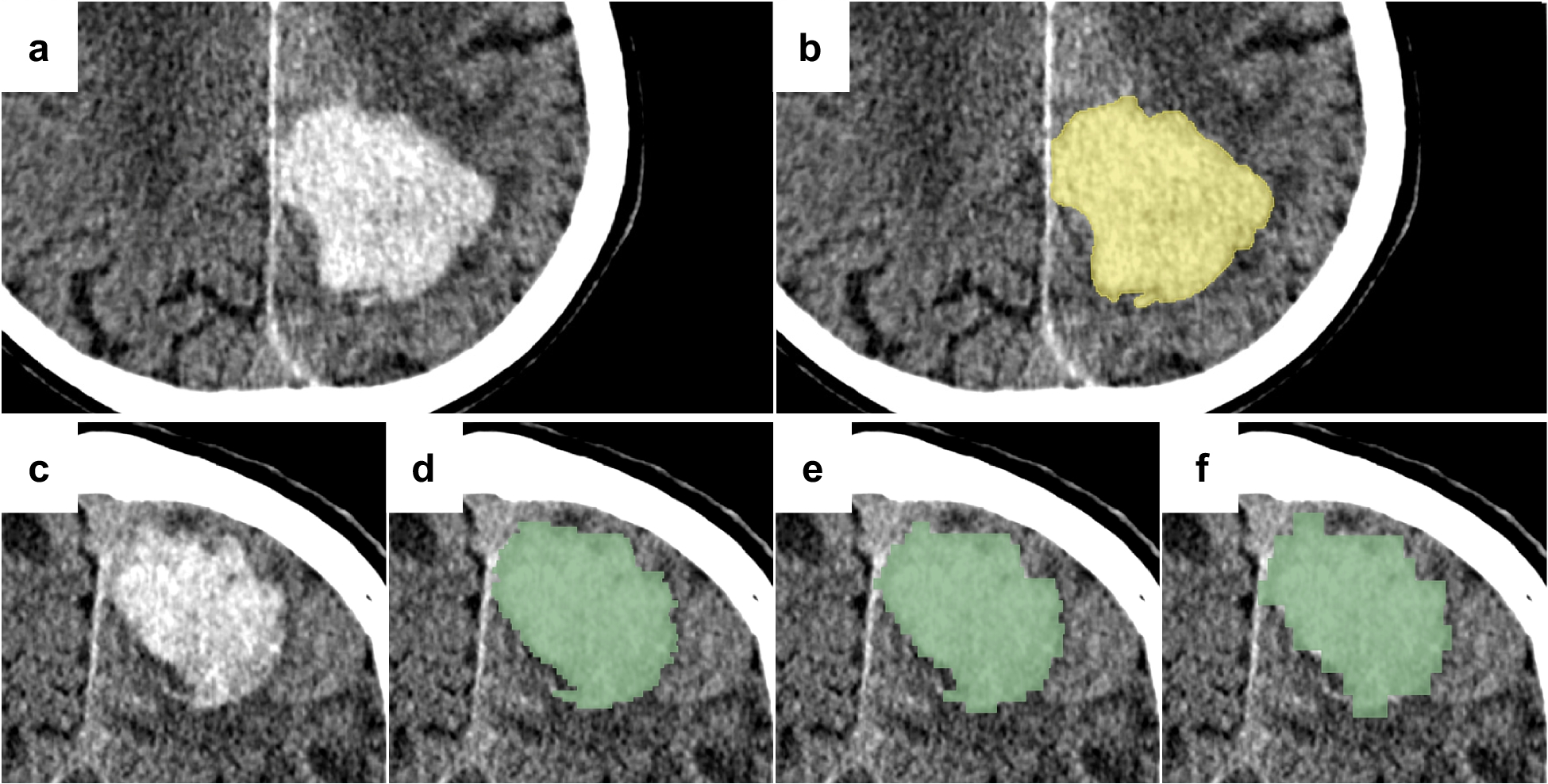
In our study of 660 patients, the incidence of foreign body reaction, specifically symptomatic NICE lesions, was determined to be 0.15%. In comparison, Nakagawa et al. reported an incidence of 2.3% in a series of 305 patients, while Ikemura et al. found a 0.9% incidence in a cohort of 1754 patients undergoing coil embolization [48, 49].
A multicenter study by Richter, Cindy et al. indicates that NICE lesions occur more frequently with FDSs than other endovascular therapies, possibly due to variations in material, wire count, and mesh angle affecting stent friction and polymer microembolization [50]. Recently, polymer-based surface coatings (e.g., phosphorylcholine, glucan-based hydrophilic, biopassive polyacrylate, and fibrin-based nanocoatings) have been developed to reduce device thrombogenicity [50].
Diffuse alveolar hemorrhage (DAH) is another rare hemorrhagic complication that may occur following FDS treatment. DAH is thought to be associated with antiplatelet therapy and has primarily been reported in patients receiving glycoprotein IIb/IIIa inhibitors in previous studies [51,52,53]. In a study by Ali et al., involving 1020 patients treated with glycoprotein IIb/IIIa inhibitors for cardiovascular disease, the incidence of DAH was reported as 0.68% [51]. In the neurointerventional literature, post-endovascular DAH has only been reported once, as a case report [54]. Similarly, in our study, 1 patient developed DAH following the procedure. Low molecular weight heparin therapy was discontinued, and the patient was managed solely with dual antithrombotic therapy. By the 8th day of treatment, the patient was discharged with stable oxygen saturation on room air.
Brinjikji et al., in a recent meta-analysis of 29 studies, reported a procedure-related mortality rate of 4% and a morbidity rate of 5% [55]. In our study, the overall mortality and morbidity rates were 0.76% and 4.55%, respectively, aligning with findings from the literature. The total morbidity-mortality rate in our study was calculated as 5.3%. A meta-analysis of all studies in the literature found a general morbidity rate of 6.2% (95% CI, 4.7–8.1%) and a general mortality rate of 3.4% (95% CI, 2.4–4.7%) [56]. No ischemia-related mortality or permanent neurological deficit was observed, distinguishing our series from prior reports in which ischemic events contributed more prominently to morbidity. These findings align with literature indicating that delayed hemorrhagic events, although rare, are the leading cause of death in patients undergoing flow-diverter treatment.
Although patients presenting with subarachnoid hemorrhage are generally considered to carry higher baseline procedural risk, our cohort did not show an evident increase in flow-diverter–related mortality or major complication burden in this subgroup. However, the relatively small number of ruptured cases limits the strength of this observation.
In our study, the overall patient-based complication rate was 9.70%, aligning with the ATENA trial, where stent- and balloon-assisted treatments had an 11.7% complication rate, compared to 10.8% for primary coiling [57]. This suggests similar complication rates between FDSs and remodeling techniques, though coiling alone shows slightly lower risks. A numerical decrease in complication rates was observed across treatment eras, from 17.50% in the early period to 9.59% in the intermediate phase and 8.76% in the later years (Fig. 5). These temporal trends paralleled progressive refinements in device technology, delivery platform miniaturization (0.027” → 0.021” → 0.017”), integration of flat-panel C-arm CT imaging (since 2010), routine platelet-function testing (from 2014), and the introduction of surface-modified flow diverters, as summarized in Fig. 6. The era-based stratification reflects this cumulative institutional evolution over time. Future multicenter studies will refine complication management and optimize treatment protocols.
Fig. 5
Changes in complication rates (%) over the years in treatments performed with the FDS technique
Fig. 6
Institutional milestones and predefined treatment eras (2008–2023). The 15-year study period was stratified into three predefined eras (Early: 2008–2011; Intermediate: 2012–2015; Late: 2016–2023) reflecting progressive changes in device technology, delivery platform miniaturization (0.027” → 0.021” → 0.017” microcatheter compatibility), imaging protocols, and antiplatelet management strategies. Key milestones included the introduction of flat-panel C-arm CT (2010), routine platelet-function testing (2014), miniaturized flow diverter systems (FRED Jr., 2015; Silk Vista Baby, 2019), and surface-modified devices (Pipeline Shield, 2019; Derivo 2 with DFT technology, 2022). These eras were defined a priori for descriptive stratification of outcomes and do not imply causal relationships between technological milestones and complication rates
Based on our cumulative 15-year institutional experience, we developed structured, complication-specific management algorithms to summarize commonly used bailout pathways in device-related adverse events. These pragmatic frameworks are intended to enhance transparency and reproducibility of our institutional practice and are presented for educational purposes rather than as guideline-level recommendations (Figs. 7 and 8).
Fig. 7
Practical management and bailout algorithms for flow-diverter–related complications. Schematic overview of complication-specific diagnostic evaluation and secondary (bailout) treatment pathways derived from our 15-year single-center experience. These algorithms reflect institutional management strategies rather than formal guideline recommendations
Fig. 8
Practical management and bailout algorithms for flow-diverter–related complications. Schematic overview of complication-specific diagnostic evaluation and secondary (bailout) treatment pathways derived from our 15-year single-center experience. These algorithms reflect institutional management strategies rather than formal guideline recommendations
LimitationsThe major limitation of the study is the single-center retrospective design. Furthermore, while flow-diverter stents function with the same concept, they show considerable technical differences in terms of metal content, design, and deployment, which may influence occlusion and complication rates. Since various FDS devices and several different generations of these devices have been used in our clinic over the last 15 years, we believe that making a statistical comparison between these stents is not appropriate due to data heterogeneity. In addition, braid deformation and in-stent stenosis were assessed retrospectively without standardized grading, and subtle or asymptomatic changes were likely under-recognized; therefore, we refrained from reporting overall incidence rates for these findings and focused on the subgroup of patients who required secondary endovascular treatment.
Comments (0)