In this prospective study of LTCS from multiple regions in Germany, we found that adherence to a healthy lifestyle behavior, particularly never smoking, engaging in adequate physical activity, and maintaining a healthy BMI, were independently associated with a lower mortality. Adherence to an overall healthy lifestyle (i.e. one-point HLS increase) was associated with 22% lower in all-cause mortality, and these associations remained consistent across age, sex, and years since cancer diagnosis, cancer types, and CMD status.
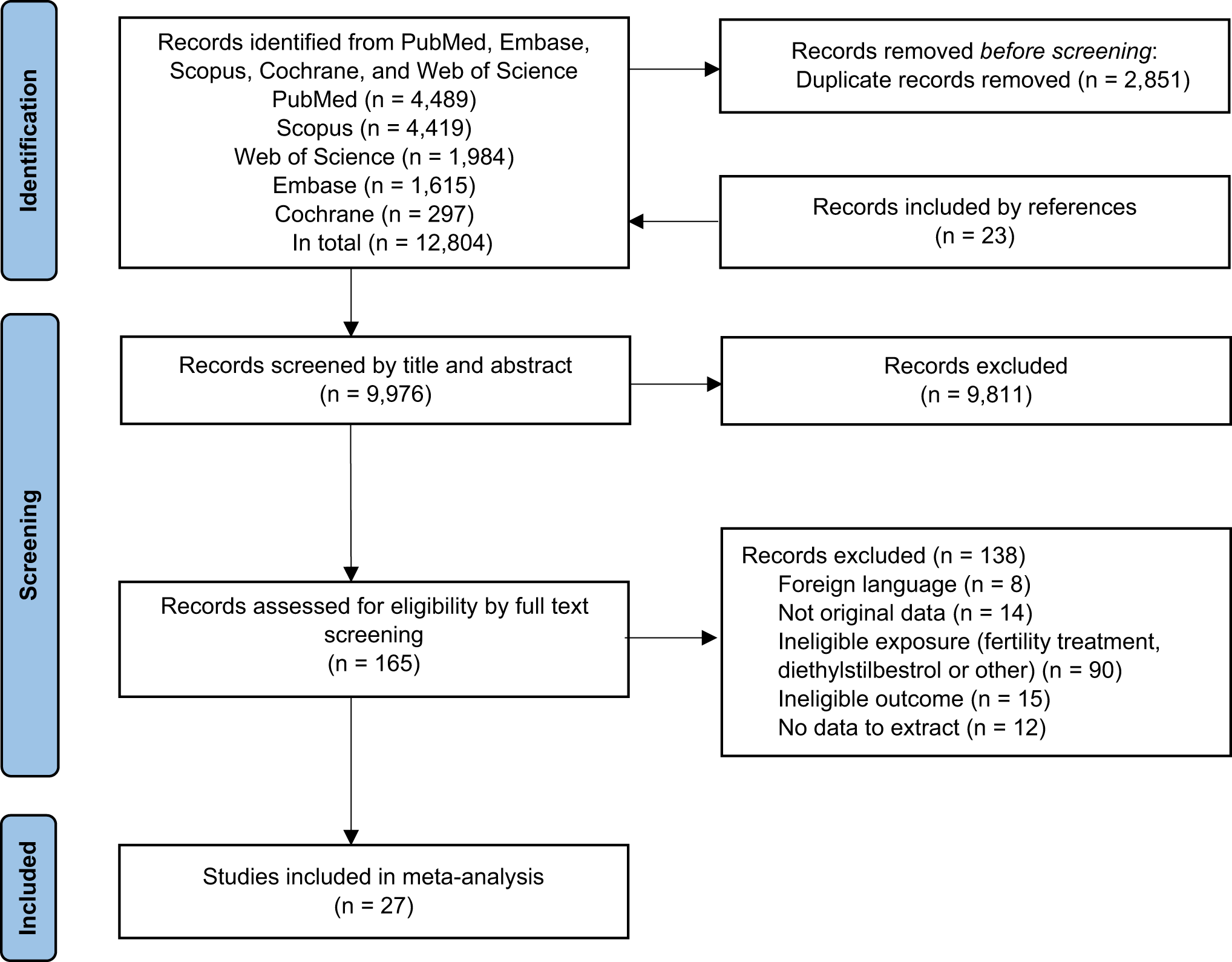
Although the association between combined healthy lifestyle factors and all-cause mortality has been well established in the general population [31,32,33], evidence on the role of a healthy lifestyle among cancer survivors, in particular after the fifth year past diagnosis of cancer, has remained inconclusive. LTCS differ from general populations in several aspects, such as higher prevalence of comorbidities and treatment-related sequelae, all of which may influence both lifestyle patterns and mortality risk. In our previous systematic review and meta-analysis on the association between combined HLS and mortality [7], we found that most of the 17 included cohort studies reported a healthy lifestyle to be associated with significantly lower all-cause mortality [34,35,36,37,38,39,40,41,42,43,44,45], but a few showed no significant association [46, 47]. The pooled results from these studies indicated that cancer survivors adhering to the healthiest lifestyle had a 43% lower risk of all-cause mortality compared to those with the least healthy lifestyle [7]. Our current findings align with this trend, though the observed effect size (32% reduction) is slightly lower. This difference might be attributed to variations in demographic characteristics (e.g., age and sex composition, and geographic region), clinical factors (e.g., cancer types, times since cancer diagnosis) and differences in lifestyle scoring methods (e.g., variations in components and scoring system). For instance, participants in the previous studies were mainly survivors assessed shortly after their cancer diagnosis, when survivors were likely to be undergoing active treatment or experiencing cancer-related symptoms that could substantially modify their lifestyle behaviors. Whereas, our study is the first, to the best of our knowledge, to focus on LTCS who had survived a median of approximately eight years after diagnosis. At this stage, lifestyle behaviors are more likely to have stabilized. In addition, our study is one of the few pertinent studies from outside the United States, thus broadening the evidence base for the potential of HLS with respect to tertiary prevention in cancer survivors.
When investigating the role of individual lifestyle factors, highest level of adherence to recommendations for smoking, physical activity, and BMI were significantly associated with lower in all-cause mortality. Of these factors, never smoking was associated with the greatest risk reduction of 49%. This was further supported in the leave-one-out analyses, which showed that excluding smoking in the HLS resulted in the largest positive percent change in effect size. These findings are in line with previous studies [34, 48], suggesting that smoking cessation remains one of the most impactful lifestyle changes for improving long-term survival in cancer survivors. Interestingly, while overweight and obesity have been reported to be associated with an increased risk of cancer in the general population [49, 50], the HR for the overweight group in our study was lower than that for the normal weight group (0.77 vs. 0.87) when compared with the obese/underweight group. This is not completely unexpected, as an ‘overweight paradox’ has been reported in previous studies [38, 51], suggesting that overweight is associated with improved survival in cancer survivors [6, 48]. While the underlying mechanisms remains unclear, potential explanations for this phenomenon may include greater energy reserve during cancer treatment [52], protective metabolic effects [53], or methodological bias such as reverse causality(e.g., due to tumor-related cachexia) or collider stratification bias [54]. Future investigations should explore whether specific BMI threshold or body composition factors (e.g., fat mass and muscle mass) play a role in the association. Unlike other lifestyle factors, alcohol intake was not significantly associated with all-cause mortality in our study. This finding is in line with other studies. For instance, the Diet, Exercise, Lifestyles, and Cancer Prognosis Study (DELCaP) among breast cancer survivors and a large prospective cohort study in China both found no significant association between alcohol intake and survival [6, 48]. However, the evidence is still inconclusive as previous studies suggested that light alcohol consumption may be a protective factor to mortality in cancer survivors [34]. Given the mixed findings, more evidence is needed to determine the role of alcohol in cancer survivorship outcome.
We further examined whether these associations between the HLS and mortality varied by key clinical and demographic characteristics. Our stratification analyses demonstrated that the associations between a healthy lifestyle and all-cause mortality were largely consistent across different subgroups, including age, sex, time since cancer diagnosis, cancer type, and the presence of CMD. Although the direction was consistent across breast, colorectal, and prostate cancer survivors, slight differences in the magnitude of these associations were observed, which may be explained by cancer-specific characteristics. For instance, breast cancer survivors were often younger at diagnosis and treated with long-term hormone therapy [55]. They may experience distinct metabolic and behavioral effects that influence the lifestyle-mortality relationship. In contrast, colorectal cancer survivors may suffer from persistent gastrointestinal or metabolic issues related to surgery or chemotherapy, while prostate cancer survivors often undergo androgen deprivation therapy, which has been related to adverse cardiometabolic outcomes [56]. These differences highlight the necessity of considering cancer-specific survivorship trajectories when interpreting the effect of healthy lifestyles. Nevertheless, the largely consistent benefit observed across all cancer types suggests that a healthier lifestyle, characterized by never smoking, adequate physical activity, maintaining a healthy BMI and avoiding alcohol consumption, might serve as a broadly applicable recommendation for LTCS. As cancer survivors are now surviving longer, CMD has become the primary comorbidity of concern in this population, even ranking as one of the leading causes of death among cancer survivors [57, 58]. Yet it has remained unclear whether and to what extent the joint healthy lifestyle is associated with all-cause mortality in cancer survivors with CMD. Our findings make a significant contribution to the current evidence, showing that a healthy lifestyle is equally beneficial for LTCS, regardless of CMD status, reinforcing the need to incorporate lifestyle modifications into cancer survivorship care plans.
Our study has several strengths, including a large, well-characterized population of LTCS, the prospective design, and a long follow-up duration. Furthermore, understanding the role of lifestyle factors on LTCS could have significant implications for both clinical practice and public health. Our findings add to the current evidence base by specifically evaluating the impact of lifestyle on mortality among LTCS, an increasingly prevalent but often overlooked group with unique post-treatment risks. Our findings may help health-care providers provide more effective counseling for LTCS, ultimately improving their health outcomes. Notably, over 50% of the LTCS in our study fell into the middle or low healthy lifestyle categories. This finding indicates a significant opportunity for intervention and improvement. Intervention programs should aim to maximize the number of recommended healthy behaviors, with a particular focus on smoking cessation.
However, some limitations should be considered. First, a key limitation is the lack of dietary data in the CAESAR study. Diet is an essential component of lifestyle and has been shown to influence survival among cancer survivor via multiple pathways (e.g., metabolic and inflammatory mechanisms) [59] that are also related to other lifestyle factors included in our score (such as BMI and physical activity). Previous studies have reported that adherence to a healthy dietary pattern, such as Mediterranean diet, is associated with reduced all-cause mortality among cancer survivors [60]. Thus, the omission of diet may lead to an underestimation of the strength of the association between overall healthy lifestyle and mortality. Although a previous study suggested that a HLS with or without diet information yielded similar results for mortality risk [61], the potential contribution of diet remains important and warrants further investigations. Second, self-reported lifestyles at baseline survey cannot reflect pre-diagnosis lifestyles or the changes of lifestyle during follow up. Thus, we cannot tell whether the associations observed are independent of survivors’ pre-diagnosis lifestyle, and whether a change of lifestyles after diagnosis is associated with all-cause mortality. Additionally, cause-specific mortality could not be examined due to the lack of these data in CAESER. Third, although our sample included survivors with the most common cancers among males and females, the low response rate suggest that our results may not be generalizable to all LTCS of these cancer types. Fourth, our analysis focused on LTCS who survived at least 5-years post-diagnosis. This may introduce survival bias, as individuals with unhealthier lifestyles are more likely to have died before being eligible to participate in the survey. Consequently, the here-in described association between lifestyle factors and mortality does not necessarily apply to cancer survivors at an early phase after diagnosis. Finally, to mitigate potential reverse causation, sensitivity analyses were conducted that excluded survivors with active disease, with potentially fatal comorbidities, or with low body weight. These analyses yielded similar results. Despite this, possibility of potential reverse causation and residual confounding by measured or unmeasured factors cannot be ruled out.
In conclusion, adherence to a healthy lifestyle is associated with better survival outcomes in LTCS. These benefits were observed across various demographic and clinical characteristics including age, sex, cancer type, time since cancer diagnosis, and CMD status. Our findings underscore the importance of maintaining or promoting healthy lifestyle behaviors among LTCS. Future research should explore the impact of other lifestyles factors, such as diet, sleep quality and sedentary behaviors, and also lifestyle change on prognosis and quality of life of LTCS.

Comments (0)