
Remember me
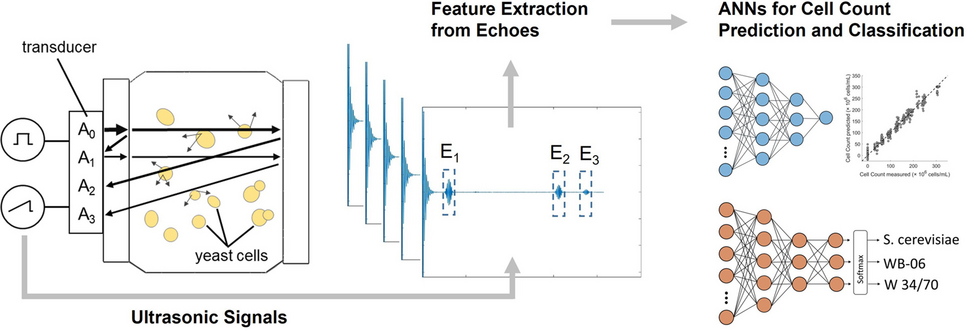
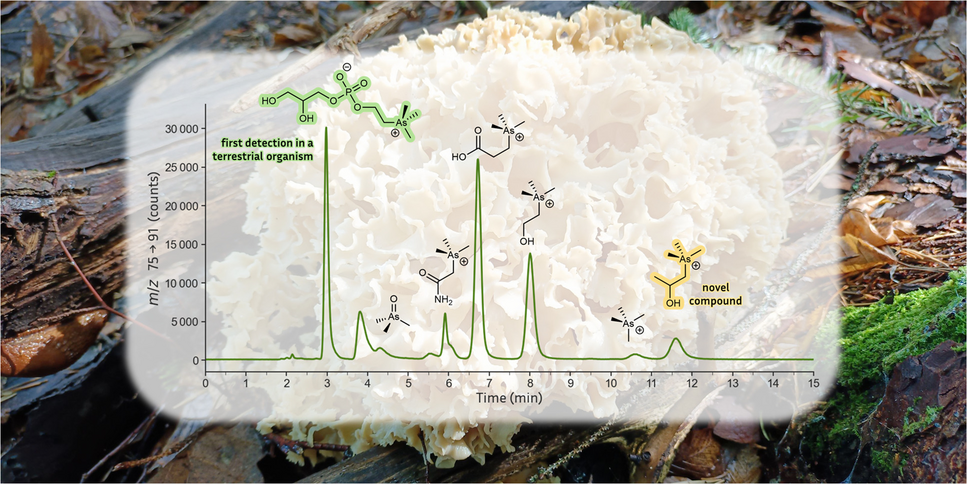
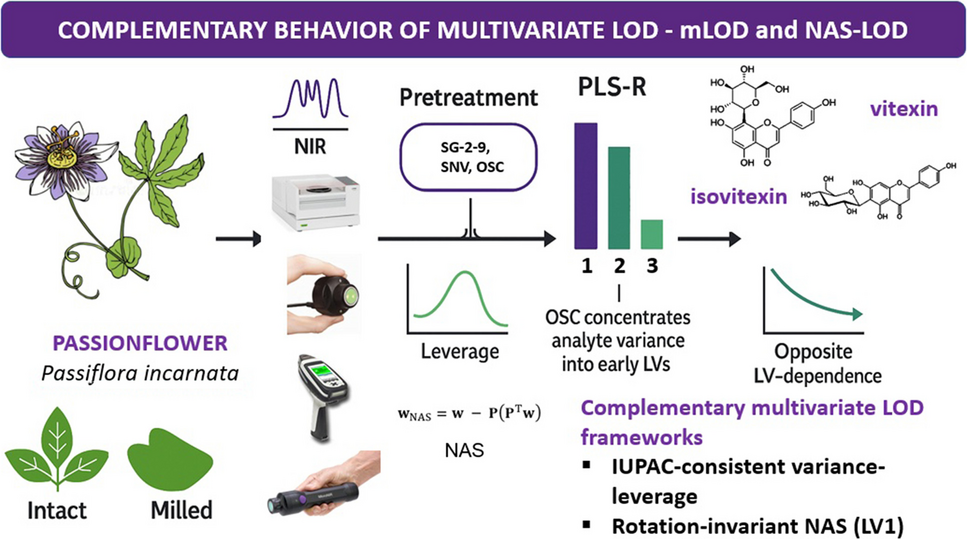
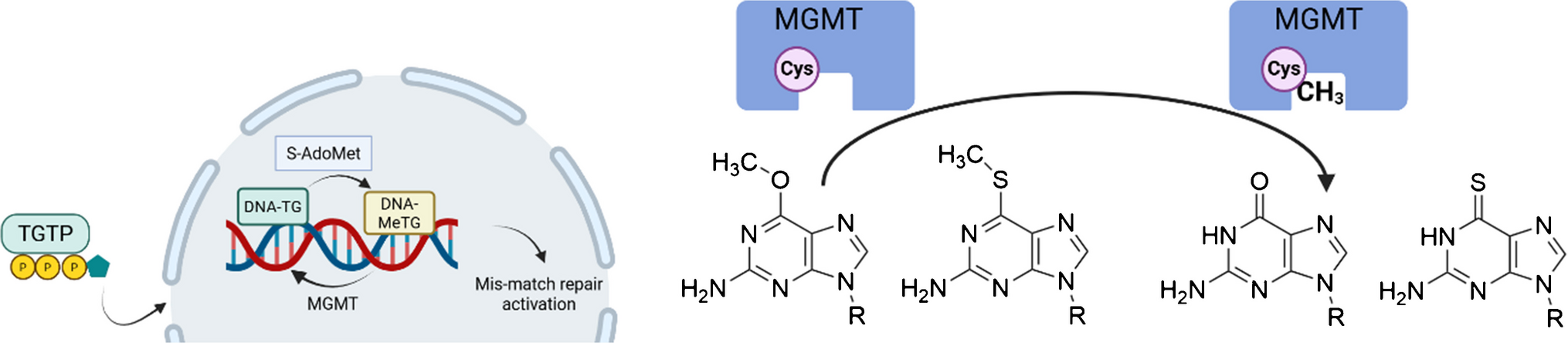
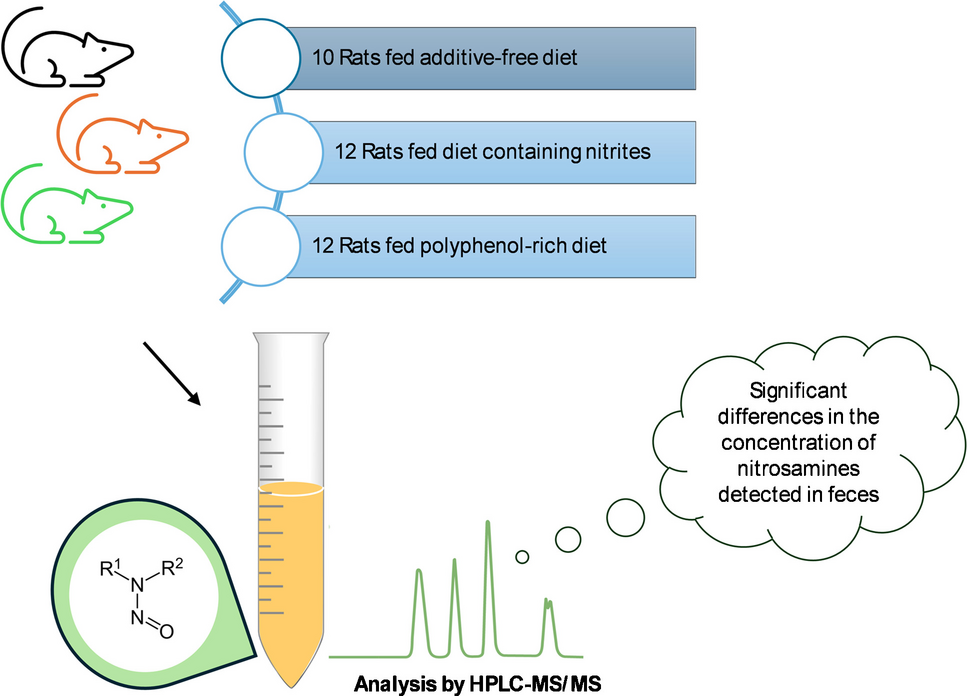
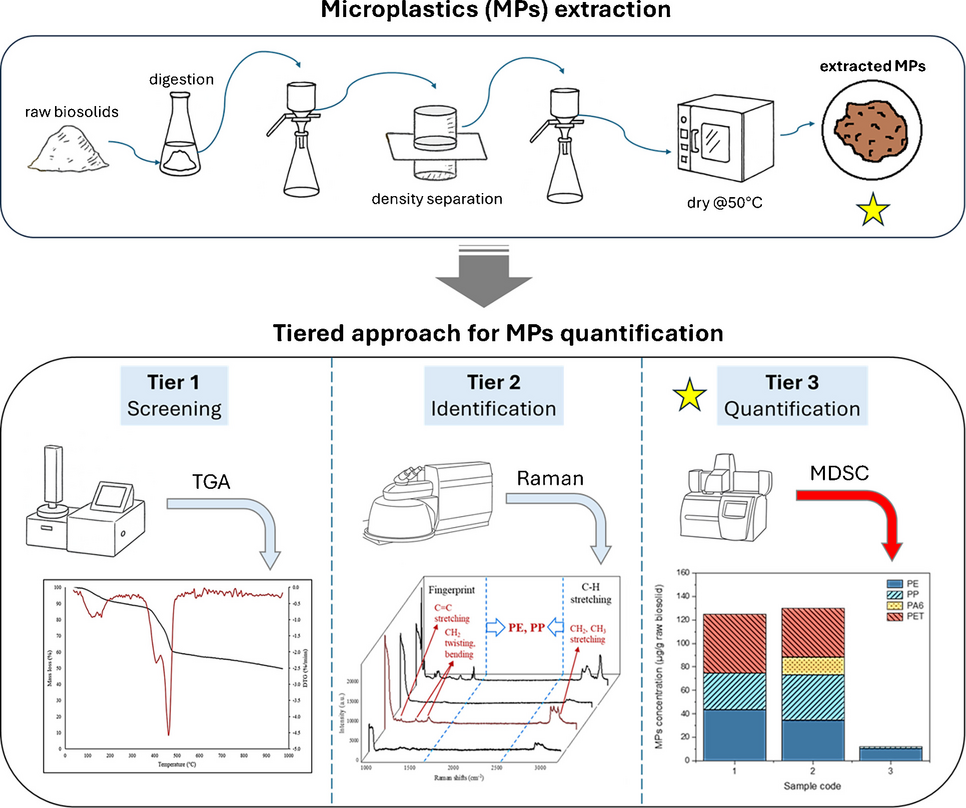
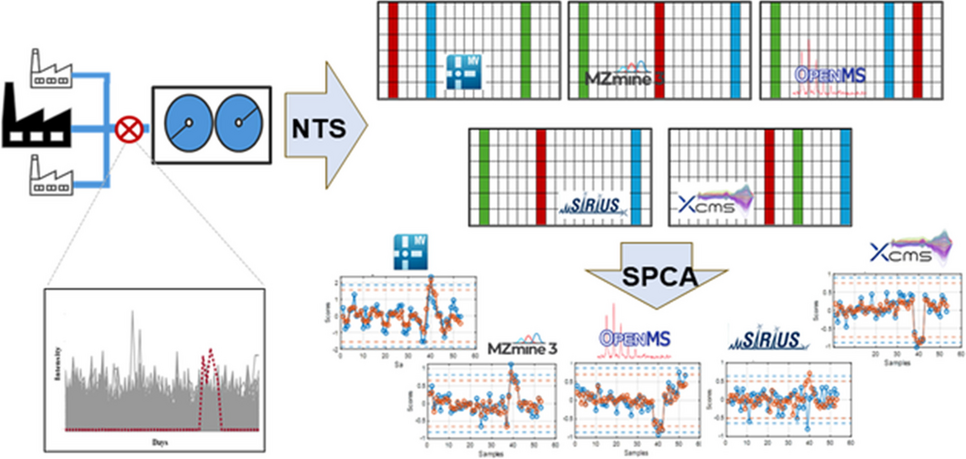
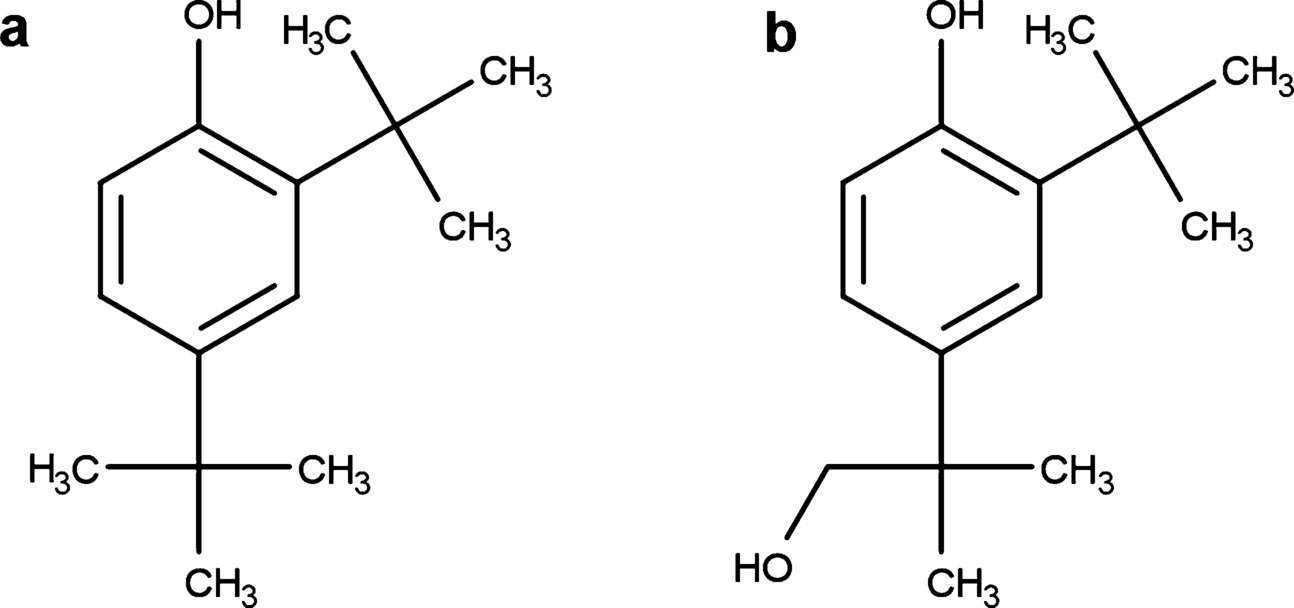
This topical collection celebrates the researchers whose hands-on lab work forms the foundation of every successful project: Early-Career Researchers (ECRs). We extend our gratitude to all ECRs for their commitment and passion, which keep the field of chemistry vibrant and have led to the outstanding articles featured here.
This special collection offers ECRs a platform to share their research and make their voices heard—enjoy exploring their work and getting to know our contributors.

Alessia Arena works as an analytical chemist at Chromaleont srl (Messina, Italy). During her Ph.D. work in chemical sciences at the University of Messina, conducted under the supervision of Prof. Mariosimone Zoccali and Prof. Luigi Mondello, she was mainly involved in the development of hyphenated and multidimensional chromatographic techniques applied to the study of complex matrices and to the determination of food contaminants. Her research led to poster awards at the “13th Multidimensional Chromatography Workshop” and the “XXIX Analytical Chemistry Division Conference of the Italian Chemical Society”.

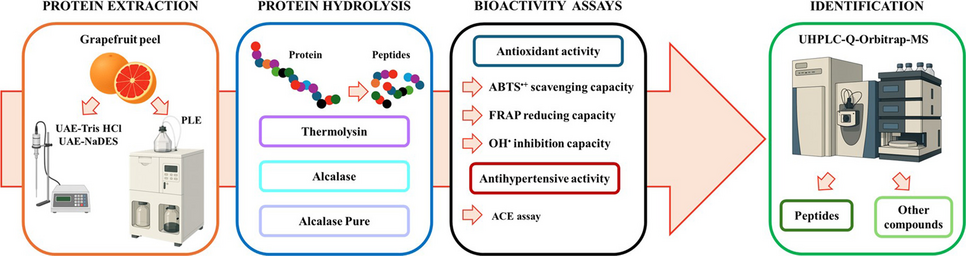
My name is Davide Barboni, and I am a PhD student in chemical sciences at the University of Ferrara (Italy). My doctoral project, carried out under the supervision of Prof. Martina Catani and Prof. Alberto Cavazzini, focuses on the development of innovative analytical methods to support omics sciences. In particular, I work with proteomics and metabolomics approaches based on liquid chromatography–high resolution mass spectrometry (LC-HRMS). My main research activity involves both metabolomics and proteomics approaches applied to complex samples, such as plant extracts. The overarching goal is to combine metabolite profiling with functional proteomics, allowing for a deeper understanding of the biochemical impact of plant-based bioactive compounds studied and highlighting the value of integrated omics strategies in translational research.

My name is Linjie Chen, and I am currently a Ph.D. student at China University of Geosciences (Wuhan). My research focuses on developing high-precision analytical methods for stable metal isotopes (Cd, Sb, Cu) using transient signal techniques. I am also deeply interested in applying metal isotope systems to trace environmental sources and explore their potential in cancer diagnosis. Under the supervision of Prof. Zhenli Zhu, I have published four peer-reviewed articles as first author in the journals Analytical Chemistry, Analytical and Bioanalytical Chemistry, Chemical Geology, and Analytica Chimica Acta.

Long Chen received his B.M.S. from the Department of Forensic Medicine, Nanjing Medical University in 2023. Now he is studying for a master’s degree in the Department of Forensic Medicine, Nanjing Medical University. His postgraduate research direction is to apply SERS technology to forensic medicine and develop new methods for detecting molecular biomarkers related to sudden cardiac death and cardiovascular diseases.

Diana R. Cunha is a researcher at LAQV/REQUIMTE, Faculty of Pharmacy, University of Porto, where she develops innovative analytical strategies for biopharmaceutical evaluation. Her work centers on biosensors, miniaturized platforms, and automated systems to advance precision in therapeutic monitoring. In recognition of her contributions, she was awarded a FLAD Research Grant, a Fulbright Research Grant, and a scholarship to participate in the European Innovation Academy (EIA). Passionate about science and chemistry, her current research includes the analysis of therapeutic monoclonal antibodies and the development of novel extraction and purification techniques using cutting-edge 3D-printed technologies.

My name is Paula Díez, and I am a tenured Ramón y Cajal postdoctoral researcher at the Department of Functional Biology, University of Oviedo (Spain). My research focuses on identifying biomarkers of response to nanostructured treatments in cancer by using mass cytometry, ICP-MS, and MS-based proteomics approaches. I completed a 5-year postdoctoral stay at Leiden University Medical Center (The Netherlands), where I employed mass spectrometry to unravel the monocyte–macrophage maturation pathway. Subsequently I undertook a second postdoctoral stay at the Health Research Institute of Asturias (ISPA), applying sc-ICP-MS and proteomics technologies to investigate cisPt-based nanoparticles in osteosarcoma models. In 2022, I was awarded a Marie Curie fellowship.

Brady Drennan earned his Ph.D. in August 2025 from the University of Texas at Arlington under the guidance of Dr. Kevin A. Schug. His doctoral research focused on column-switching liquid chromatography coupled with mass spectrometry for multi-attribute characterization of drug delivery systems. He is interested in exploring new separation materials for nucleic acid therapeutics, with an emphasis on minimizing non-specific interactions for both nucleic acids and lipid nanoparticles.

Lan Guo joined Qufu Normal University as Assistant Professor of Analytical Chemistry in August 2023. Her research focuses on the development of miniaturized devices and point-of-care testing methods. In recent years, she has led and contributed to the design of diverse fluorescence, photothermal, and photoacoustic sensing systems, enabling highly sensitive and rapid on-site detection of biomarkers and food safety indicators. Her achievements include receiving the National Scholarship for Doctoral Candidates in 2022 and contributing to the second prize of Shandong Province Natural Science Award in 2024 (3rd position).

Alena Langová is a third year PhD student at the Department of Analytical Chemistry at the University of Pardubice. She focuses on the development of advanced analytical methods for studying and identifying metabolites in biological samples, particularly in the context of cancer research. By combining modern separation techniques with high-resolution mass spectrometry, she aims to deepen our understanding of metabolic changes associated with cancer and contribute to the discovery of potential biomarkers for improved diagnosis and treatment.

Vincenzo Mazzaracchio is currently a postdoctoral researcher at the Department of Chemical Science and Technologies, University of Rome “Tor Vergata”, where he received his PhD in 2020. Over the years, his research has focused on developing electrochemical (bio)sensors, utilizing home-made plastic- and paper-based miniaturized screen-printed electrodes, to detect bacterial species in water, and for the monitoring of biomarkers in biological fluids, including serum, saliva, and sweat. He is interested in the application of such sensors for wearable devices development, exploiting his specific knowledge in paper-based microfluidics and analytical devices equipped with wireless technologies such as NFC, RFID, and Bluetooth. His expertise in these areas is reflected in his H index of 19, with over 40 papers published in peer-reviewed journals and four patents.

Elisa Milandri is a Ph.D. candidate in the Health, Safety and Green Systems Ph.D. Programme in the Pharmaco-Toxicological Analysis (PTA Lab) research group, Department of Pharmacy and Biotechnology (FaBiT), Alma Mater Studiorum—University of Bologna. Her research focuses on the development, optimisation and validation of innovative analytical methodologies for compounds of pharmaceutical interest in biological and non-biological matrices. She is particularly interested in microsampling technologies and miniaturised pretreatment procedures aimed at improving the efficiency and sustainability of bioanalytical workflows, with a perspective toward more accessible and patient-centric precision medicine approaches.

My name is Lia Paz Olivares Caro, and I am Assistant Professor at the Department of Clinical Biochemistry and Immunology, Faculty of Pharmacy, Universidad de Concepción, Chile. My research focuses on identifying biomarkers of progression in chronic diseases, using metabolomics as a key analytical tool. This year, I was awarded a FONDECYT Postdoctoral Grant (No. 3240171) to study Alzheimer’s disease, integrating mass spectrometry imaging for spatial analysis. I am also passionate about exploring the role of natural compounds in the prevention of chronic diseases. For my doctoral research, conducted under the supervision of Dr. Claudia Mardones, I received the prestigious “Prof. María Eugenia Letelier M.” award for the best doctoral thesis in the pharmacology of natural products in 2022.

My name is Aghogho Abigail Olomukoro, and I recently graduated with my Ph.D. from the Department of Chemistry University at Buffalo, New York, under the supervision of Dr. Emanuela Gionfriddo. My research involved understanding the partition of perfluoroalkyl substances (PFAS) in sorbents used for separation and studying PFAS distribution in heterogeneous environmental and biological samples. To achieve these goals, I used microseparation methodologies (SPME and micro-SPE) for preconcentration, which were hyphenated to liquid chromatography-tandem mass spectrometry to quantify and identify PFAS.

Marie Pardon is a senior PhD student in the Department of Pharmaceutical and Pharmacological Sciences, at KU Leuven in Belgium. Her research focuses on the development of multidimensional liquid chromatography–mass spectrometry methods for the analysis of organic micropollutants in wastewater, in combination with zebrafish-based assays to investigate the environmental toxicity of these compounds. She won first prize for the Best International Poster at the Analytica conference in Vietnam (2025), the Best Oral Presentation award at the BelTox conference in Belgium (2024), and first prize in the HTC Tube competition at the HTC-18 conference in Belgium (2024).

Ondřej Peterka is a young postdoctoral researcher in the Mass Spectrometry group led by Prof. Michal Holčapek at the University of Pardubice and a senior analyst at Lipidica, a spin-off company of the University of Pardubice aiming to translate the patented methodology for the early detection of pancreatic cancer. His research focuses on lipidomic analyses and cancer biomarker research, employing chromatographic techniques coupled with mass spectrometry, with a particular emphasis on chemical derivatization strategies. He received the Silver Medal of Merit from the Dean of the Faculty of Chemical Technology at the University of Pardubice in 2022 and the Neuron Prize for Connecting Science and Business in 2023.

My name is Kirill Yu. Presnyakov, and I am a PhD student at the Institute of Chemistry, Saratov State University, Russia. My research primarily focuses on molecular imprinting and its variants—the synthesis of imprinted proteins, which are successfully used to create biosynthetic receptors and bioinorganic sorbents. In recent years, I have authored or co-authored more than ten articles. I have been honored with several significant awards, including a prestigious scholarship for graduate students and adjuncts in 2025.

Constanze Schultz is a doctoral student at the Leibniz Institute for Photonic Technology in Jena, supervised by Prof. Dr. Jürgen Popp. She holds a master’s degree in chemistry from the Friedrich Schiller University Jena, with part of her studies completed at the University of Calgary. In recognition of her outstanding academic achievements, she was awarded the university’s examination prize upon recommendation by the faculty in 2021. Her current research focuses on applying Raman spectroscopic methods to interdisciplinary challenges in environmental and biomedical sciences, with an emphasis on detecting small molecules using vibrational tags in the wavenumber-silent region. In 2025, she was co-recipient of the “Beutenberg Campus Award – Life Science and Physics” for excellent interdisciplinary cooperation, alongside her supervisor and collaborators from the Leibniz Institute for Natural Product Research and Infection Biology (Leibniz-HKI) and the Friedrich Schiller University Jena.

Matteo Spedicato is currently a third-year PhD student at the University of Ferrara (Italy) under the supervision of Prof. Martina Catani. His doctoral research focuses on the exploration of new green solvents for RP-LC applications in the biopharma field. Recently he moved towards metabolomics investigations through mono and bi-dimensional liquid chromatography coupled with high resolution mass spectrometry. To further deepen his expertise, he conducted a six-month research stay at the University of Vienna under the supervision of Prof. Gunda Koellensperger.

Rebeca Magnolia Torrente Rodríguez (ORCID: 0000–0002-2153-172X) is Assistant Professor in the Department of Analytical Chemistry at the Complutense University of Madrid (UCM). She earned her PhD with International Mention in 2019, receiving both the UCM Extraordinary Doctoral Award and the Prize for the Best Doctoral Thesis in (Bio)analytical Science and Technology from the GCTbA-RSEQ Group (First Edition). Her research is devoted to advancing cutting-edge bioelectroanalytical technologies for the discovery, quantification, and validation of clinically relevant biomarkers across different omics levels. She was recently awarded a regional grant for emerging researchers to propose enabling bioelectroanalytical technologies for determining non-coding RNA biomarkers, which have been little explored to date but are becoming increasingly relevant.

Carina Wolf received her PhD in analytical chemistry under the supervision of Prof. Dr. Uwe Karst at the University of Münster, developing hyphenated mass spectrometric techniques to explore the risks of tattooing. Currently, she is a postdoctoral researcher in the group of Prof. Dr. Andreas Römpp at the University of Bayreuth, focusing on bioimaging applications. During her studies, she received the Student Award in Analytical Chemistry of the German Chemical Society (GDCh) for her bachelor’s and master’s degree programs.

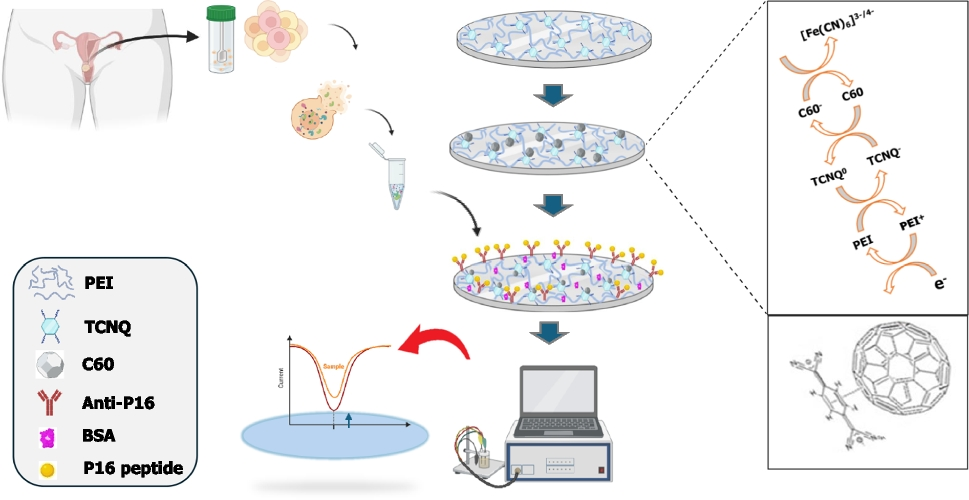
Yu-Ling Wu is a Ph.D. candidate in the Department of Biochemical Science and Technology at National Taiwan University (Taipei, Taiwan). Under the supervision of Professor Ja-an Annie Ho, she focuses on developing label-free DNA-based biosensors, particularly for the detection of miRNAs associated with gynecological diseases.

Hsu-Ching Yen was previously supervised by Dr. Ja-an Annie Ho and is currently a first-year Ph.D. student in the Department of Chemistry at the University of Wisconsin–Madison. His current research focuses on developing computational methods for mass spectrometry–based peptide analysis, with an emphasis on characterizing post-translational modifications (PTMs) and improving peptide identification algorithms.

Di Yu is Assistant Professor at the Dalian Institute of Chemical Physics, Chinese Academy of Sciences, where she also completed her Ph.D. under the supervision of Prof. Guowang Xu. Her expertise lies in the development of new mass spectrometry–based metabolomics methods. Her research interests include stable isotope tracing of metabolic flux and the development of new techniques for subcellular metabolic in situ analysis.

Aijiao Yuan is a Postdoctoral Researcher at the Research Center for Eco-Environmental Sciences, Chinese Academy of Sciences. Her research focuses on the development and application of DNA nanomachines and CRISPR/Cas technologies for molecular detection, live-cell imaging, and environmental health studies. She is particularly interested in CRISPR/Cas-based precision diagnostics and aims to develop innovative biosensing technologies with enhanced analytical performance.

Lydia Zamlynny is a civil engineering PhD student at Dalhousie University (Halifax, Canada) working in collaboration with the Biotoxin Metrology group (National Research Council of Canada). Her research focuses on the development of methods and reference materials for the analysis of cyanotoxins using LC–MS and metabolomics with a particular focus on toxic benthic cyanobacteria that have been linked to animal mortalities. In 2024 she was awarded the AOAC Inés Cereijo Technical Division on Reference Materials (TDRM) Award for her work on reference material development and implementation for method validation.

Xinyu Zhang is currently a graduate student at the Analysis and Testing Center of Sichuan University. His research interests are centered on the development of colorimetric sensors for the rapid on-site detection of heavy metals or biomarkers.

My name is He Zhao, and I received my PhD from the Department of Chemistry at the University of Virginia, under the supervision of Dr. B. Jill Venton. Currently, I am continuing my research on the development of MEMs and their combination with laser-induced graphene for neurochemical characterization. I am also passionate about fabricating nanotips from 3D-printed structures using Nanoscribe.
Comments (0)