Te Ao B, Brown P, Tobias M, Ameratunga S, Barker-Collo S, Theadom A et al (2014) Cost of traumatic brain injury in New Zealand: evidence from a population-based study. Neurology 83(18):1645–1652
Article
Google Scholar
James SL, Theadom A, Ellenbogen RG, Bannick MS, Montjoy-Venning W, Lucchesi LR et al (2019) Global, regional, and national burden of traumatic brain injury and spinal cord injury, 1990–2016: a systematic analysis for the Global Burden of Disease Study 2016. The Lancet Neurology 18(1):56–87
Article
Google Scholar
Ding W, Hu S, Wang P, Kang H, Peng R, Dong Y et al (2022) Spinal cord injury: the global incidence, prevalence, and disability from the Global Burden of Disease Study 2019. Spine 47(21):1532–1540
Article
PubMed
PubMed Central
Google Scholar
Zhang N, Yin Y, Xu SJ, Wu YP, Chen WS (2012) Inflammation & apoptosis in spinal cord injury. Indian J Med Res 135(3):287–296
CAS
PubMed
PubMed Central
Google Scholar
Shi Z, Yuan S, Shi L, Li J, Ning G, Kong X et al (2021) Programmed cell death in spinal cord injury pathogenesis and therapy. Cell Prolif 54(3):e12992
Article
PubMed
PubMed Central
Google Scholar
Liu X, Zhang Y, Wang Y, Qian T (2021) Inflammatory response to spinal cord injury and its treatment. World Neurosurg 155:19–31
Article
PubMed
Google Scholar
He W, Li Z-q, Gu H-y, Pan Q-l, Lin F-x (2024) Targeted therapy of spinal cord injury: inhibition of apoptosis is a promising therapeutic strategy. Mol Neurobiol 61(7):4222–4239
Article
CAS
PubMed
Google Scholar
Lin W, Stone S (2020) Unfolded protein response in myelin disorders. Neural Regen Res 15(4):636–645
Article
PubMed
Google Scholar
Kaufman RJ (1999) Stress signaling from the lumen of the endoplasmic reticulum: coordination of gene transcriptional and translational controls. Genes Dev 13(10):1211–1233
Article
CAS
PubMed
Google Scholar
Harding HP, Zhang Y, Ron D (1999) Protein translation and folding are coupled by an endoplasmic-reticulum-resident kinase. Nature 397(6716):271–274
Article
CAS
PubMed
Google Scholar
Doyle KM, Kennedy D, Gorman AM, Gupta S, Healy SJ, Samali A (2011) Unfolded proteins and endoplasmic reticulum stress in neurodegenerative disorders. J Cell Mol Med 15(10):2025–2039
Article
CAS
PubMed
PubMed Central
Google Scholar
Piperi C, Adamopoulos C, Dalagiorgou G, Diamanti-Kandarakis E, Papavassiliou AG (2012) Crosstalk between advanced glycation and endoplasmic reticulum stress: emerging therapeutic targeting for metabolic diseases. J Clin Endocrinol Metab 97(7):2231–2242
Article
CAS
PubMed
Google Scholar
Liu M-q, Chen Z, Chen L-x (2016) Endoplasmic reticulum stress: a novel mechanism and therapeutic target for cardiovascular diseases. Acta Pharmacol Sin 37(4):425–443
Article
CAS
PubMed
PubMed Central
Google Scholar
Valenzuela V, Jackson KL, Sardi SP, Hetz C (2018) Gene therapy strategies to restore ER proteostasis in disease. Mol Ther 26(6):1404–1413
Article
CAS
PubMed
PubMed Central
Google Scholar
Penas C, Guzman MS, Verdu E, Fores J, Navarro X, Casas C (2007) Spinal cord injury induces endoplasmic reticulum stress with different cell-type dependent response. J Neurochem 102(4):1242–1255
Article
CAS
PubMed
Google Scholar
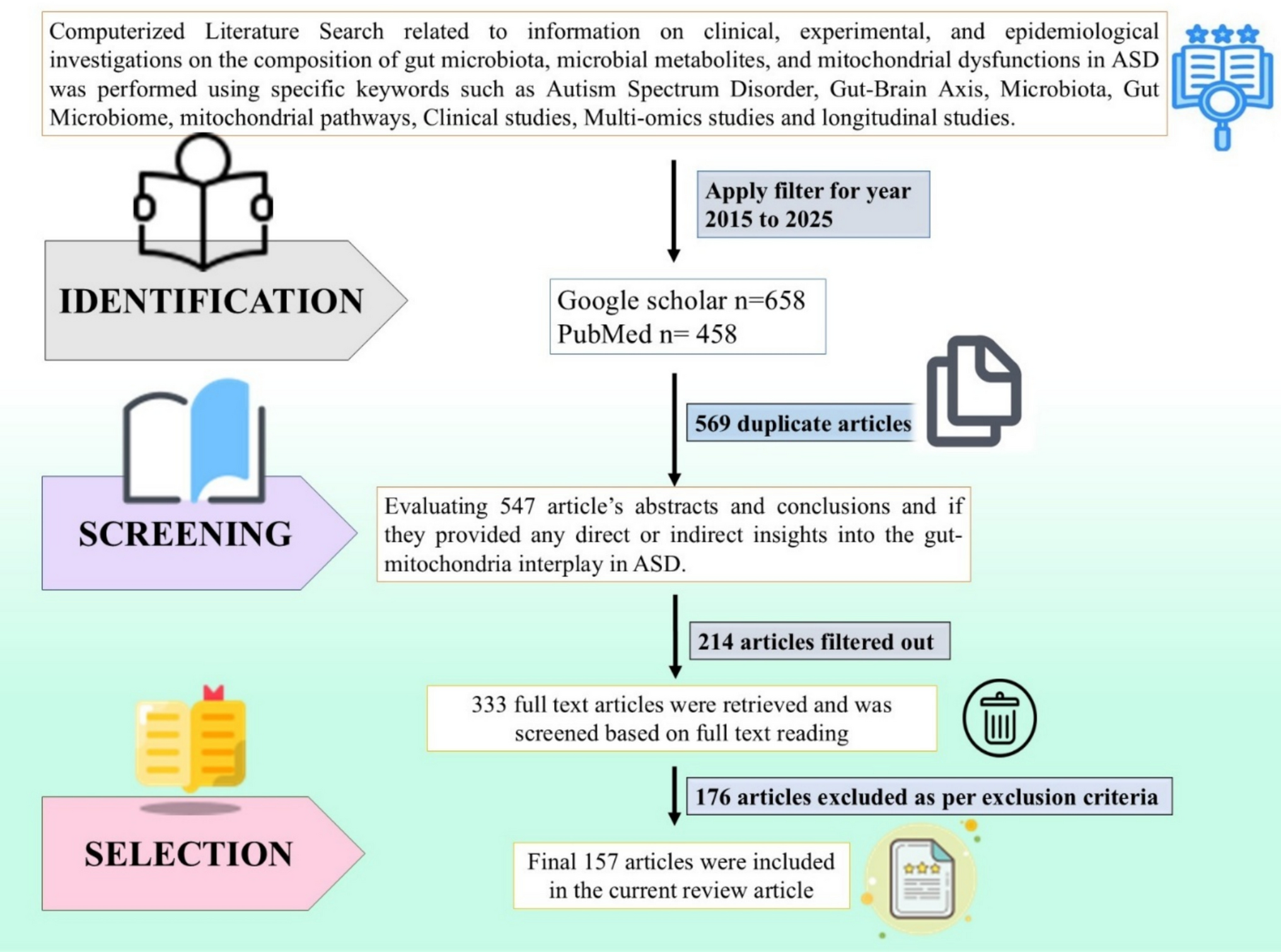
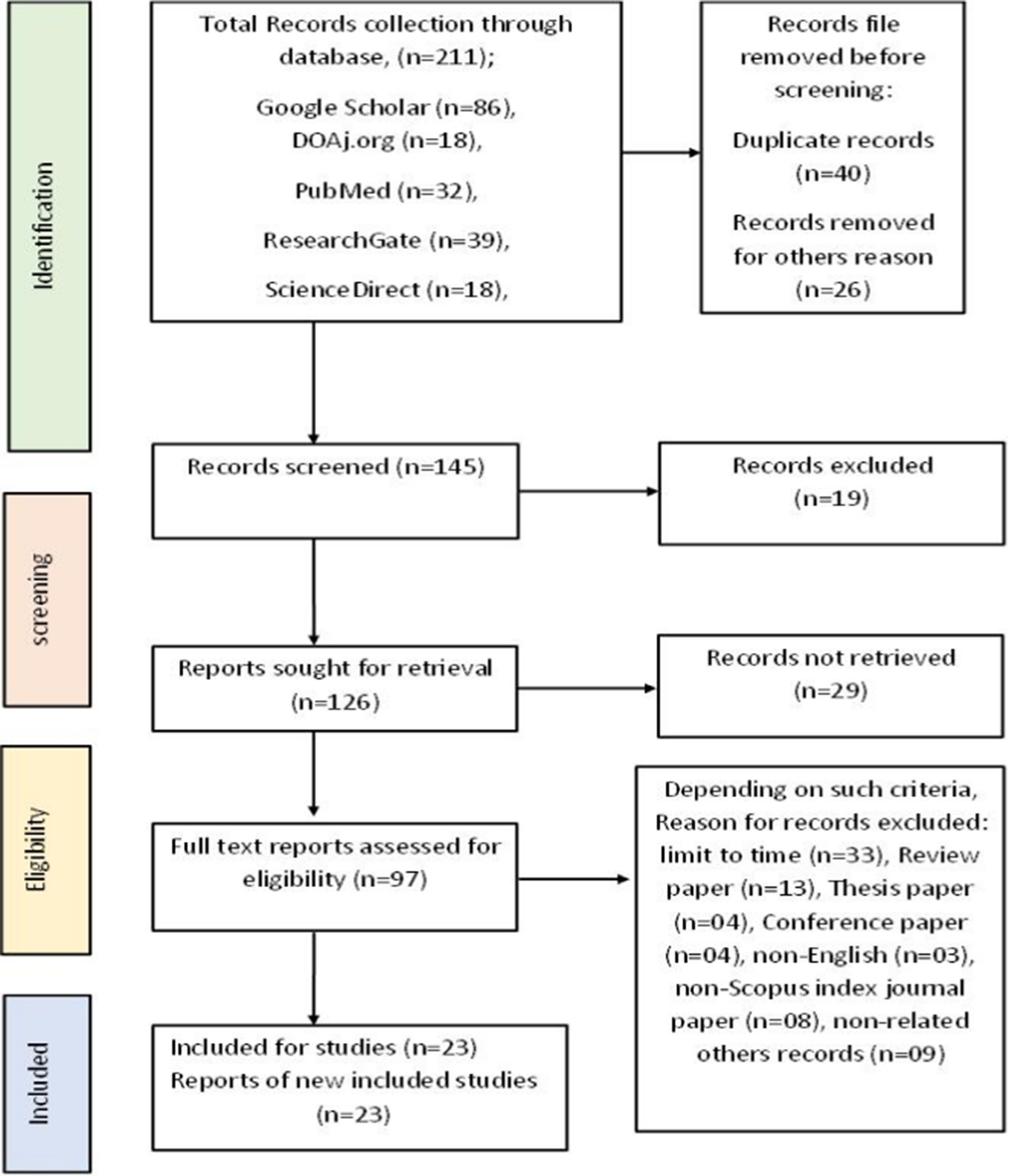
Matthew JP, Joanne EM, Patrick MB, Isabelle B, Tammy CH, Cynthia DM et al (2021) The PRISMA 2020 statement: an updated guideline for reporting systematic reviews. BMJ 372:n71
Google Scholar
Higgins JP, Altman DG, Gøtzsche PC, Jüni P, Moher D, Oxman AD et al (2011) The Cochrane Collaboration’s tool for assessing risk of bias in randomised trials. BMJ 343:d5928
Article
PubMed
PubMed Central
Google Scholar
Mhairi C, Joanne EM, Amanda S, Srinivasa Vittal K, Sue EB, Simon E et al (2020) Synthesis without meta-analysis (SWiM) in systematic reviews: reporting guideline. BMJ 368:l6890
Google Scholar
Bigford GE, Bracchi-Ricard VC, Nash MS, Bethea JR (2012) Alterations in mouse hypothalamic adipokine gene expression and leptin signaling following chronic spinal cord injury and with advanced age. PLoS ONE 7(7):e41073
Article
CAS
PubMed
PubMed Central
Google Scholar
Huang SQ, Tang CL, Sun SQ, Yang C, Xu J, Wang KJ et al (2014) Demyelination initiated by oligodendrocyte apoptosis through enhancing endoplasmic reticulum-mitochondria interactions and Id2 expression after compressed spinal cord injury in rats. CNS Neurosci Ther 20(1):20–31
Article
PubMed
Google Scholar
Wang JY, Li HYZ, Ren YC, Yao Y, Hu J, Zheng MZ et al (2018) Local delivery of beta-elemene improves locomotor functional recovery by alleviating endoplasmic reticulum stress and reducing neuronal apoptosis in rats with spinal cord injury. Cell Physiol Biochem 49(2):595–609
Article
CAS
PubMed
Google Scholar
Shi D, He T, Tang W, Li H, Wang C, Zheng M et al (2019) Local application of MDL28170-loaded PCL film improves functional recovery by preserving survival of motor neurons after traumatic spinal cord injury. Neurosci Lett 694:161–167
Article
CAS
PubMed
Google Scholar
Ohri SS, Bankston AN, Mullins SA, Liu Y, Andres KR, Beare JE et al (2018) Blocking autophagy in oligodendrocytes limits functional recovery after spinal cord injury. J Neurosci 38(26):5900–5912
Article
CAS
Google Scholar
Ohri SS, Mullins A, Hetman M, Whittemore SR (2018) Activating transcription factor-6 alpha deletion modulates the endoplasmic reticulum stress response after spinal cord injury but does not affect locomotor recovery. J Neurotrauma 35(3):486–491
Article
Google Scholar
Wu CY, Xu H, Li JF, Hu XL, Wang XY, Huang YJ, et al. Baicalein attenuates pyroptosis and endoplasmic reticulum stress following spinal cord ischemia-reperfusion injury via autophagy enhancement. Frontiers in Pharmacology. 2020;11.
Qi BC, Sun RJ, Rong JS, Peng ZB, Wang YS (2019) Cyclic adenosine phosphate improves functional recovery after spinal cord injury via activating unfolded protein response. Pharmazie 74(2):115–119
CAS
PubMed
Google Scholar
Zhu Y, Zhang L, Fu R, Gao L, Feng G, Du C et al (2019) The change tendency of endoplasmic reticulum stress associated proteins in rats with spinal cord injury. Am J Transl Res 11(4):1938–1947
CAS
PubMed
PubMed Central
Google Scholar
Ji Z, Zhou ZL, Hao Q, Zhao L, Cui C, Huang SB et al (2021) Activating transcription factor 6 contributes to functional recovery after spinal cord injury in adult zebrafish. J Mol Neurosci 71(4):734–745
Article
CAS
PubMed
Google Scholar
Ohri SS, Maddie MA, Zhao YM, Qiu MS, Hetman M, Whittemore SR (2011) Attenuating the endoplasmic reticulum stress response improves functional recovery after spinal cord injury. Glia 59(10):1489–1502
Article
PubMed
PubMed Central
Google Scholar
Wan S, Shi P, Zhang X, Gu C, Fan S (2009) Stronger expression of CHOP and caspase 12 in diabetic spinal cord injury rats. Neurol Res 31(10):1049–1055
Article
CAS
PubMed
Google Scholar
Dong Y, Yang SS, Fu B, Liu F, Zhou SN, Ding HQ et al (2020) Mechanism of tauroursodeoxycholic acid-mediated neuronal protection after acute spinal cord injury through AKT signaling pathway in rats. Int J Clin Exp Pathol 13(9):2218–2227
CAS
PubMed
PubMed Central
Google Scholar
Lu X, Lv C, Zhao Y, Wang Y, Li Y, Ji C et al (2022) TSG-6 released from adipose stem cells-derived small extracellular vesicle protects against spinal cord ischemia reperfusion injury by inhibiting endoplasmic reticulum stress. Stem Cell Res Ther 13(1):291
Article
CAS
PubMed
PubMed Central
Google Scholar
Wang J, Zhang M, Li H, Li G, Jia Z, Sun P et al (2017) Berberine improves motor function recovery by inhibiting endoplasmic reticulum stress-induced neuronal apoptosis via AMPK activation in rats with spinal cord injury. Int J Clin Exp Pathol 10(4):4900–4911
CAS
Google Scholar
Gu C, Li H, Wang C, Song X, Ding Y, Zheng M et al (2017) Bone marrow mes


Comments (0)