Assessment of the Value of Sentinel Lymph Node in Stomach Cancer Patients Using Blue Dye in Suez Canal University Hospital
Background
Lymph node metastases is the principal predictive determinant following curative resection in gastric carcinoma. The incorporation of sentinel lymph node (SLN) mapping into surgical techniques may facilitate limited stomach resections while maintaining oncological safety. This study evaluated the practicality and diagnostic effectiveness of patent blue dye for sentinel lymph node mapping in gastric cancer surgery.
Patients and Methods
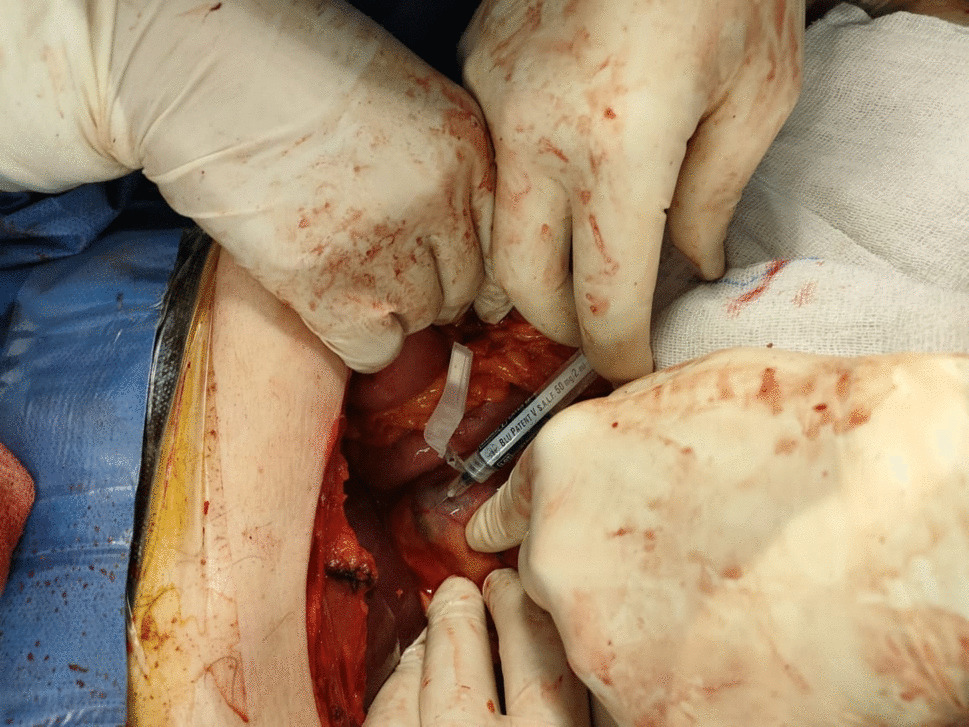
A prospective intraoperative diagnostic accuracy study was conducted with 37 patients diagnosed with operable gastric cancer at Suez Canal University Hospital, spanning from December 2021 to December 2023. A subserosal injection of 2 mL of patent blue dye was performed around the tumor using a four-quadrant technique. Sentinel nodes along with their associated lymphatic basins were removed and analyzed histopathologically. The assessment of detection rate and sensitivity was conducted based on the distribution of nodal metastasis.
Results
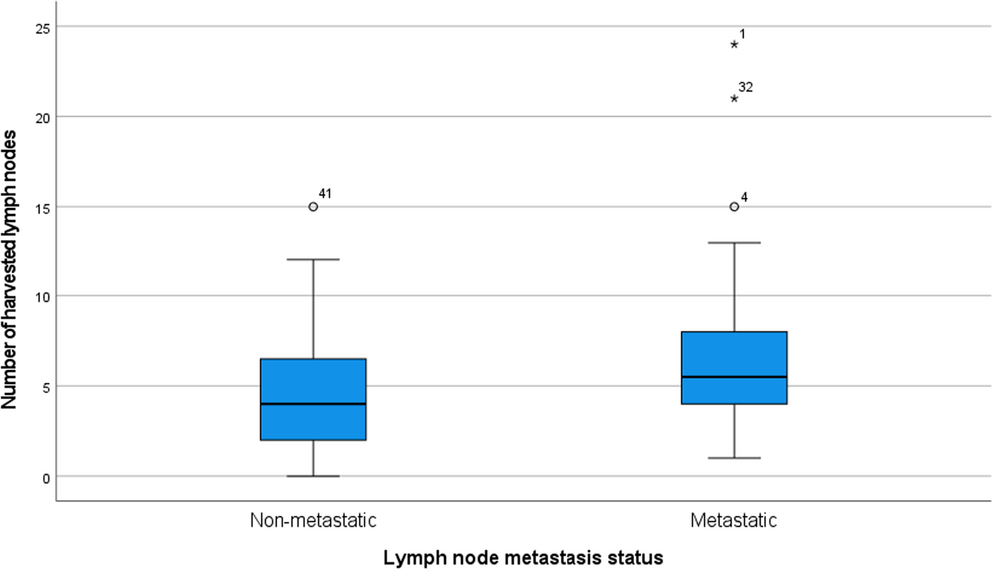
The mean age of the patients was 62 years. The median number of recovered lymph nodes was 22, and for collected sentinel nodes the median number was 4. The identification rate of sentinel lymph nodes was found to be 94.59%. The sensitivity of sentinel node identification using the pick-up method alone was recorded at 73.91%. However, this number increased to 95.65% with the adoption of the sentinel lymph node basin concept. In one instance, skip metastasis outside the sentinel basinwas noted, representing 2.7% of the total cases.
Conclusion
The use of patent blue dye for sentinel lymph node mapping in gastric cancer surgery proves to be a viable technique, demonstrating high detection rates and enhanced sensitivity when employing the sentinel basin approach. Further extensive studies are necessary to confirm these results and evaluate their influence on long-term cancer-related outcomes.


Comments (0)