CBCT-based evidence on alternate expansion-constriction (AEC) protocols with micro-implant assisted/skeletal expanders (MARPE/MSE): a scoping review
Background
Micro-implant assisted rapid palatal expansion (MARPE) and maxillary skeletal expanders (MSE) have broadened the age range for nonsurgical maxillary expansion, with cone-beam CT (CBCT) documenting predominantly skeletal effects in late adolescents and adults. Whether alternate expansion-constriction (AEC/ALT-RAMEC) cycles add incremental benefits when paired with MARPE/MSE remains less clear.
Objectives
To map and summarize CBCT-derived skeletal, sutural, dentoalveolar, and volumetric changes after MARPE/MSE with particular focus on studies employing AEC/ALT-RAMEC style activation. Eligibility (PCC): Population-humans ≥ 12 years.
Concept
CBCT-assessed effects after MARPE/MSE, with or without AEC.
Context
nonsurgical orthodontic expansion.
Sources of evidence
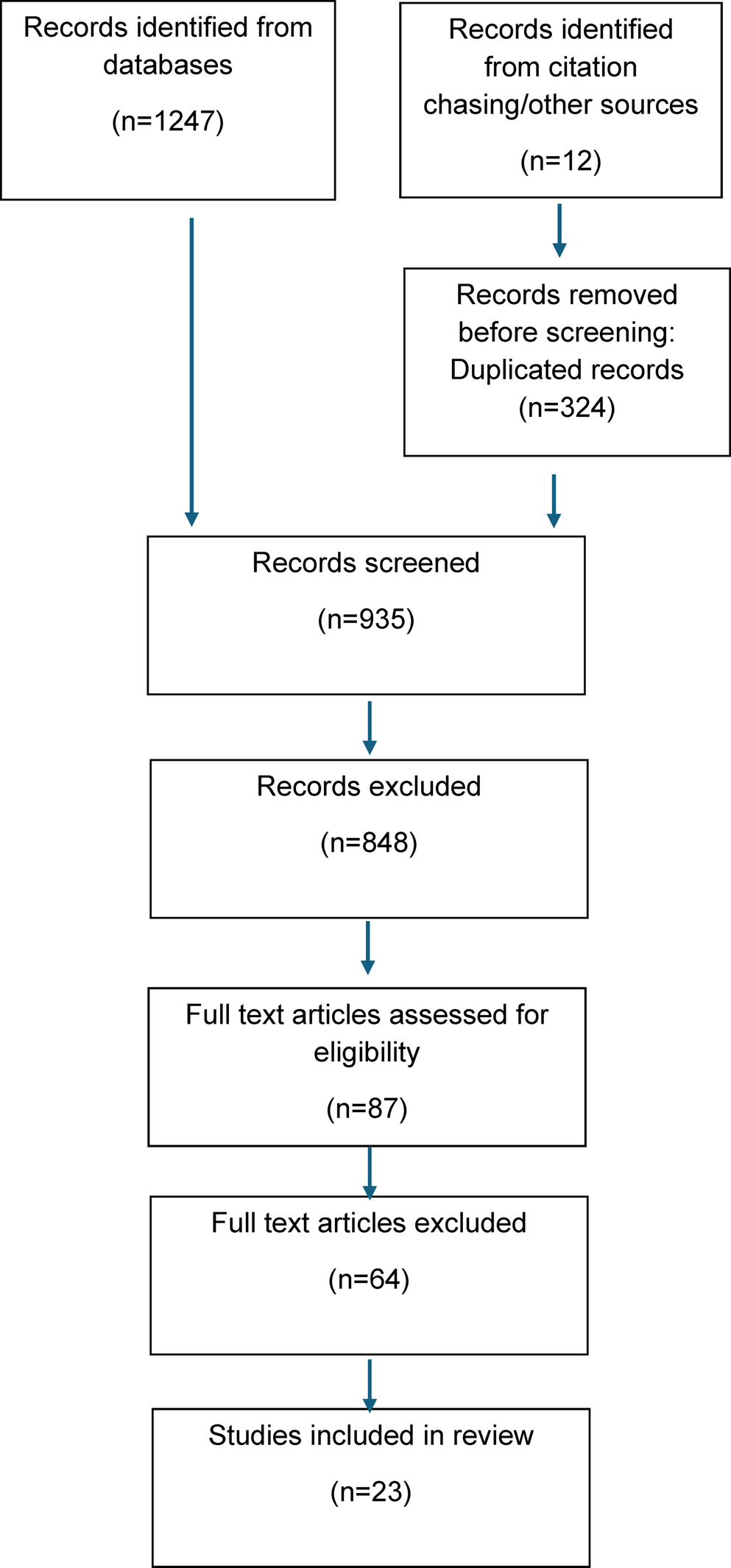
PubMed/MEDLINE, Scopus, Web of Science, and Cochrane (2015–Aug 2025) plus citation chasing. Reporting follows PRISMA-ScR. Charting & synthesis: Two-stage screening and standardized charting of study characteristics, device/protocol, CBCT parameters, outcomes, and adverse events; narrative synthesis due to heterogeneity.
Results
CBCT studies consistently show that MARPE/MSE produces parallel midpalatal opening, measurable circummaxillary suture changes, and clinically meaningful transverse gains with less dental tipping than tooth-borne RPE. Evidence specifically combining AEC/ALT-RAMEC with MARPE/MSE is limited but includes a young-adult randomized controlled trial indicating reduced molar tipping and greater zygomaticomaxillary suture widening versus conventional MARPE, without greater total transverse gain.
Conclusions
MARPE/MSE are well supported by CBCT evidence. Adding AEC/ALT-RAMEC appears promising for biomechanical optimization (e.g., tipping control), but standardized protocols and long-term outcomes are needed.

Comments (0)