The nature of TMJ disorders is inherently complex, particularly when associated with rheumatic conditions. TMJ involvement in RA can be difficult to diagnose, as inflammatory and degenerative changes frequently occur simultaneously, and clinical findings do not consistently match structural abnormalities. In this situation, accessible and non-invasive diagnostic tools become particularly relevant, especially within limited healthcare systems. US has emerged as a valuable imaging modality in rheumatology, and this review demonstrates that it can be applied to the evaluation of the TMJs in patients with RA. Within rheumatologic practice, high-resolution musculoskeletal US has proven effective in detecting subclinical synovitis and in predicting both disease recurrence and structural progression [18, 19]. Grayscale US allows for the assessment of synovial thickening, while Doppler evaluation identifies inflammatory activity and neoangiogenesis [19]. The integration of US into clinical protocols has improved the sensitivity of the 2010 ACR/EULAR classification criteria, helping to identify patients likely to benefit from early treatment with methotrexate [18].
Most of the selected studies included RA patients with moderate to high disease activity, as indicated by elevated DAS28 scores, frequent seropositivity for RF and anti-CCP antibodies, and increased inflammatory markers. This pattern suggests a possible selection bias toward more symptomatic individuals, which may have influenced the high rate of US-detected alterations. However, from a rheumatologic perspective, US is recommended to improve diagnostic accuracy in cases of suspected RA with diagnostic uncertainty [1, 2, 19]. According to EULAR, this recommendation is supported by evidence showing that US is superior to clinical examination in up to 75% of cases [19,20,21]. In addition, studies in early oligoarthritis have shown that US identifies a greater number of patients who later develop polyarthritis compared with clinical assessment alone, thereby improving RA classification [20].
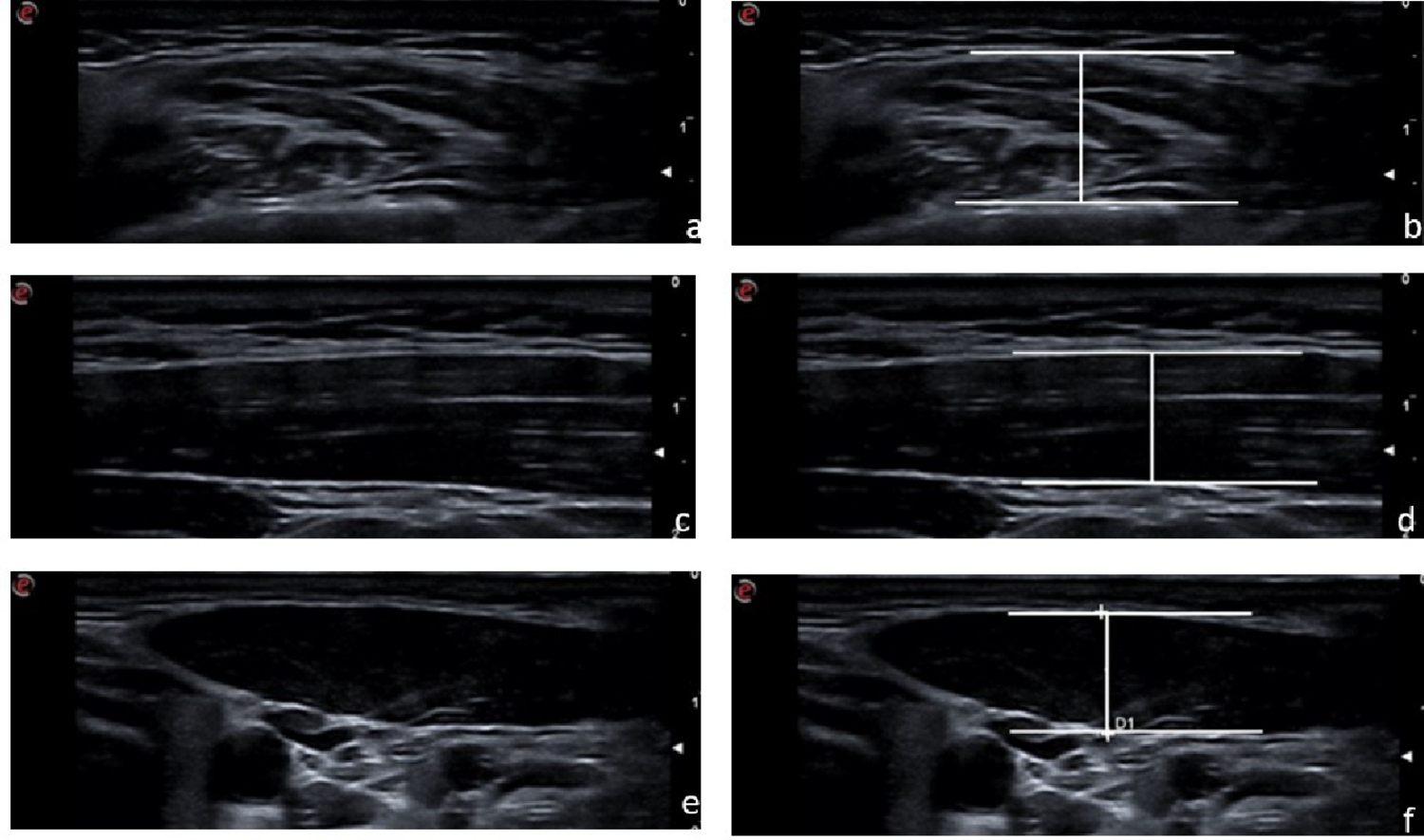
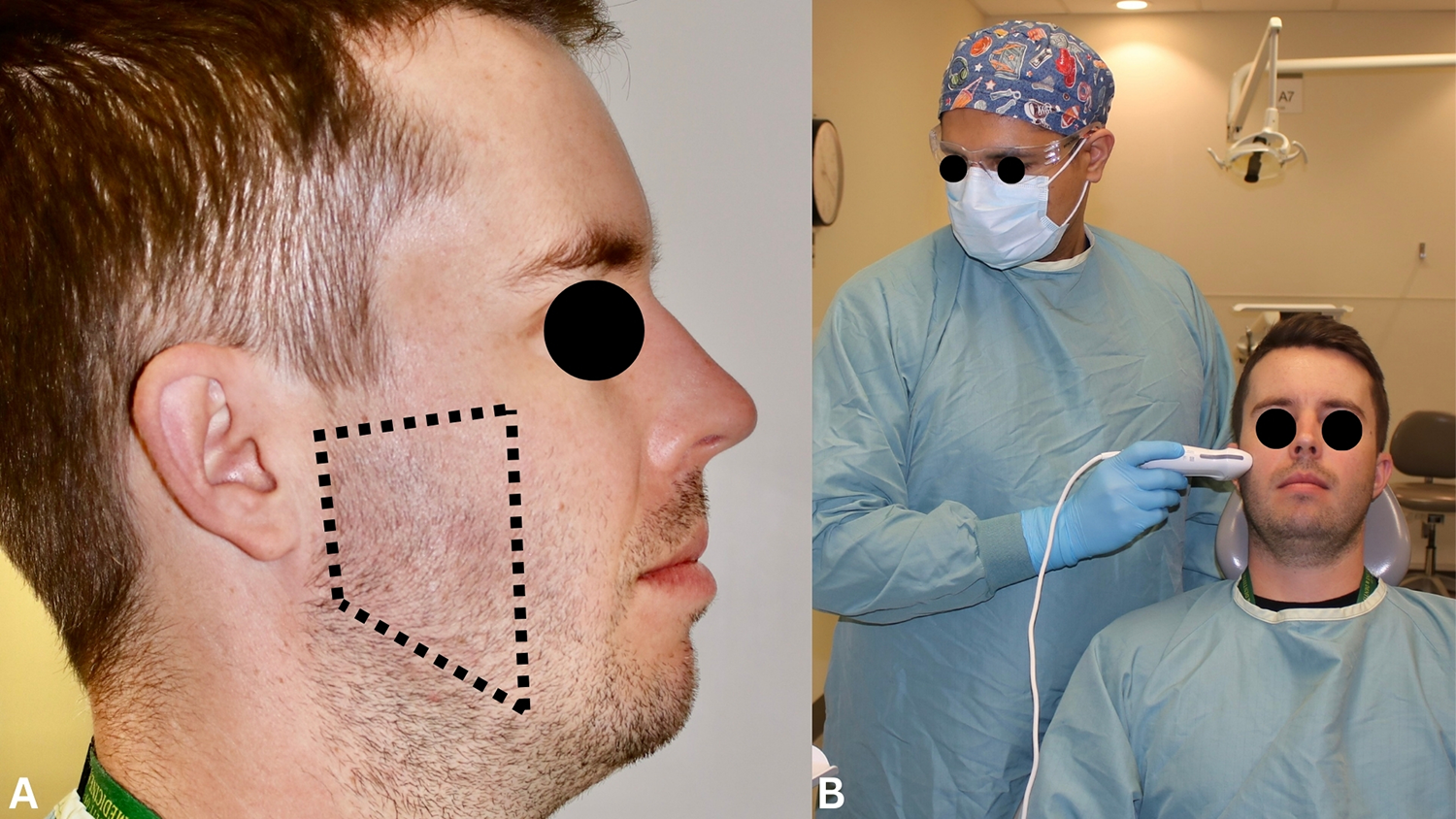
Beyond the US ability to detect joint alterations, there remains a clear need for methodological standardization. Parameters such as transducer frequency, examination position (supine or seated, mouth open or closed, static or dynamic images), operator expertise (oral radiology specialists, rheumatologists, or US professionals), and image acquisition protocols vary widely among studies. This inconsistency, also observed in the investigations included in the present scoping review, may have contributed to differences in the reported outcomes. Considering the aforementioned, a previous publication [20] specifically highlighted the impact of operator experience on US image acquisition and interpretation, emphasizing how variability in training and technical execution may directly influence diagnostic performance. Similarly, technical aspects of the procedure have not been systematically explored within the intersection of rheumatology, radiology, and oral medicine.
In our scoping review, US consistently demonstrated its utility in detecting joint effusion and periarticular inflammatory changes. However, its accuracy was lower for assessing disc position and osseous alterations compared with MRI. Importantly, disc displacement is not the primary pathological feature in RA, which is fundamentally driven by autoimmune-mediated synovial inflammation [1, 18]. Disc displacement is highly prevalent in the general population, is frequently diagnosed based on clinical criteria, and often does not require specific intervention [24]. Therefore, the lower diagnostic performance of US for disc position should not be interpreted as a major limitation in the context of RA.
Although disease mechanisms differ between adult RA and juvenile inflammatory conditions, the performance pattern of US in detecting synovitis-related alterations appear consistent for inflammatory disorders. In pediatric cohorts, Kirkhus et al. demonstrated that US reliably detected synovitis-related changes, such as capsular widening, showing moderate correlation and acceptable agreement with MRI, despite measurement variability near technical thresholds [22]. A meta-analysis further reinforced these findings: Zaman et al.(2024) [23] showed that while US performs well in identifying effusion and active inflammation, MRI remains more effective in the overall detection of TMJ dysfunction, particularly for structural abnormalities. In parallel, Su et al. [24] concluded that although high-resolution US offers modest additional value in confirming or ruling out disc displacement, its diagnostic accuracy remains technique-dependent and limited. Emerging evidence suggests that the combination of effusion, synovial hypertrophy and power Doppler signal may represent a more specific inflammatory ultrasound pattern, whereas structural findings such as cartilage thinning, cortical irregularities and enthesophytes appear in both inflammatory and non-inflammatory conditions.[26] The distinction between inflammatory and mechanical phenotypes therefore relies on pattern recognition rather than on single imaging features.
Imaging is essential for the management of RA, as therapeutic decisions are increasingly guided by objective evidence of inflammatory activity and structural damage [1, 18, 19]. In the early stages, the identification of synovitis may support the prompt initiation or escalation of disease-modifying antirheumatic drugs, whereas the detection of structural deterioration can influence long-term therapeutic strategies [18, 19]. In the context of TMJ, imaging findings may help distinguish predominantly inflammatory conditions, potentially responsive to systemic pharmacologic control, from advanced structural alterations that may require local interventions or, in selected cases, surgical management [6]. Given that clinical manifestations do not consistently correlate with imaging findings in TMJ involvement [5, 6], appropriate imaging assessment becomes particularly relevant for defining the most suitable treatment approach and for monitoring response over time.
US presents practical advantages that justify its inclusion in the diagnostic pathway of TMJ involvement in RA. It is a non-invasive, radiation-free, relatively low-cost modality that allows dynamic, real-time evaluation, with greater accessibility compared with MRI, particularly in public healthcare settings [6, 9, 10]. Moreover, its ability to detect joint effusion and synovial changes may support the early identification of inflammatory activity. However, important limitations must be acknowledged. US is highly operator-dependent, lacks standardized acquisition protocols, and demonstrates reduced accuracy for assessing disc position and osseous alterations when compared with MRI [10, 23, 24]. The challenges related to operator dependence are conrcted with the absence of standardized acquisition and measurement protocols. Insights from the pediatric literature on TMJ US in juvenile idiopathic arthritis further illustrate how variations in scan plane, measurement level (condylar versus subcondylar), and the use of non-validated cut-off values for capsular width can substantially affect diagnostic performance and correlation with MRI [22]. Additionally, methodological variability among studies may further limit reproducibility. For this reason, US should be regarded as a complementary modality rather than a substitute for comprehensive imaging evaluation.
The evidence synthesized in this scoping review should be interpreted with caution. Most studies adopted cross-sectional designs and included relatively small samples, limiting both the robustness and applicability of their conclusions. Moreover, important clinical factors, such as the influence of long-term pharmacological treatments and the presence of comorbidities, were not consistently explored.
Although some studies reported associations between joint effusion or disc displacement and clinical measures (DAS28, mHAQ, pain, functional limitation), the overall clinical utility of US in the assessment of TMJ involvement in RA remains insufficiently defined. The variability in reported associations between US findings and systemic clinical indices may reflect the fact that TMJ involvement does not necessarily parallel overall disease activity. Importantly, DAS28 does not include TMJ assessment, and localized joint inflammation may occur independently of composite systemic scores. These factors limit the ability to draw firm conclusions regarding clinical-US correlations.
It is important to emphasize that degenerative TMJ changes may also be observed in non-rheumatologic conditions, including TMJ disorders in the general population. As only one included study incorporated a healthy control group, and few studies performed direct comparisons with MRI, the current evidence remains insufficient to determine the discriminative capacity of US in differentiating inflammatory RA-related alterations from degenerative changes. Future controlled diagnostic accuracy studies are necessary to address this distinction more definitively.
As this study was designed as a scoping review, no formal risk of bias assessment was conducted; however, key methodological characteristics of the included studies were considered during the interpretative synthesis to contextualize the findings. The lack of clearly defined inclusion criteria and insufficient detail regarding the sampling strategy raise concerns about selection bias and representativeness. In many studies, exposure and outcome measures, particularly clinical assessments and image-based TMJ evaluations, were not sufficiently standardized or lacked evidence of validity and reliability, which may compromise measurement accuracy. Additionally, examiners were often not blinded to the participants’ clinical status, increasing the potential for observer bias. Important confounding factors, such as disease duration, inflammatory activity, pharmacological treatments, and dental or occlusal conditions, were not uniformly identified or controlled in the analyses. Finally, incomplete description of participant features, insufficient details on data management, and lack of transparency in statistical methods further restricted the interpretation and comparison of results. In combination, these issues point to the need for more rigorous methodological design and reporting standards in future research.

Comments (0)