Barriers and facilitators in oral hygiene maintenance in children undergoing chemotherapy for acute lymphoblastic leukemia: a qualitative investigation
Background
Children undergoing chemotherapy for acute lymphoblastic leukemia (ALL) are at heightened risk for oral complications. Despite clinical recommendations, adherence to oral hygiene practices remains inconsistent. This qualitative study explored the perceived barriers and facilitators of oral hygiene maintenance from the perspectives of caregivers and healthcare professionals involved in pediatric oncology care.
Methods
A qualitative descriptive design was employed in a tertiary care cancer center in India. Four focus group discussions were conducted with caregivers (n = 44), and in-depth interviews were carried out with healthcare providers (n = 15), including pediatric oncologists, nurses, and dental professionals. Data were thematically analyzed using a constant comparative approach. Query trustworthiness was ensured through triangulation, reflexive journaling, and respondent validation.
Results
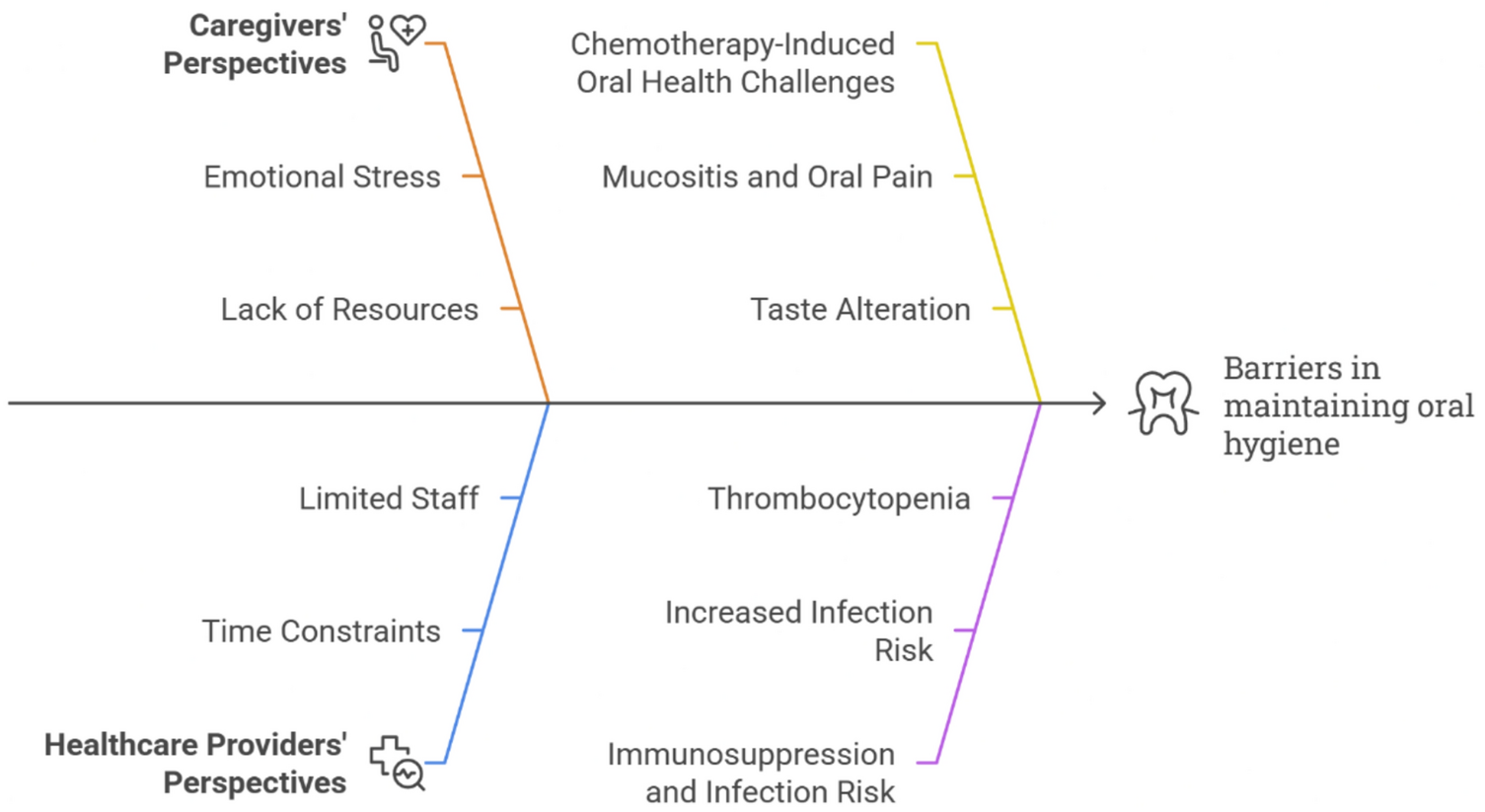
Thematic analysis revealed key barriers including chemotherapy-induced oral mucosal changes, caregiver emotional stress, limited awareness of oral infections, and resource constraints. From the provider perspective, inconsistent oral hygiene guidance during thrombocytopenia, outpatient time constraints, and caregiver disengagement were notable challenges. Facilitators included caregiver adaptation, peer and staff support, hospital-provided materials, and provider-led motivation and interdisciplinary collaboration.
Conclusions
This study highlights the multifaceted barriers to oral care adherence in children with ALL and identifies practical strategies for improving caregiver engagement and system-level support. Findings may inform the development of targeted oral health interventions in pediatric oncology settings.


Comments (0)