Is it possible to apply a paralleling technique to different ethnicities in Hong Kong?
Objectives
This study aimed to evaluate the applicability of a paralleling technique in dental patients in Hong Kong via cone-beam computed tomography (CBCT) images.
Methods
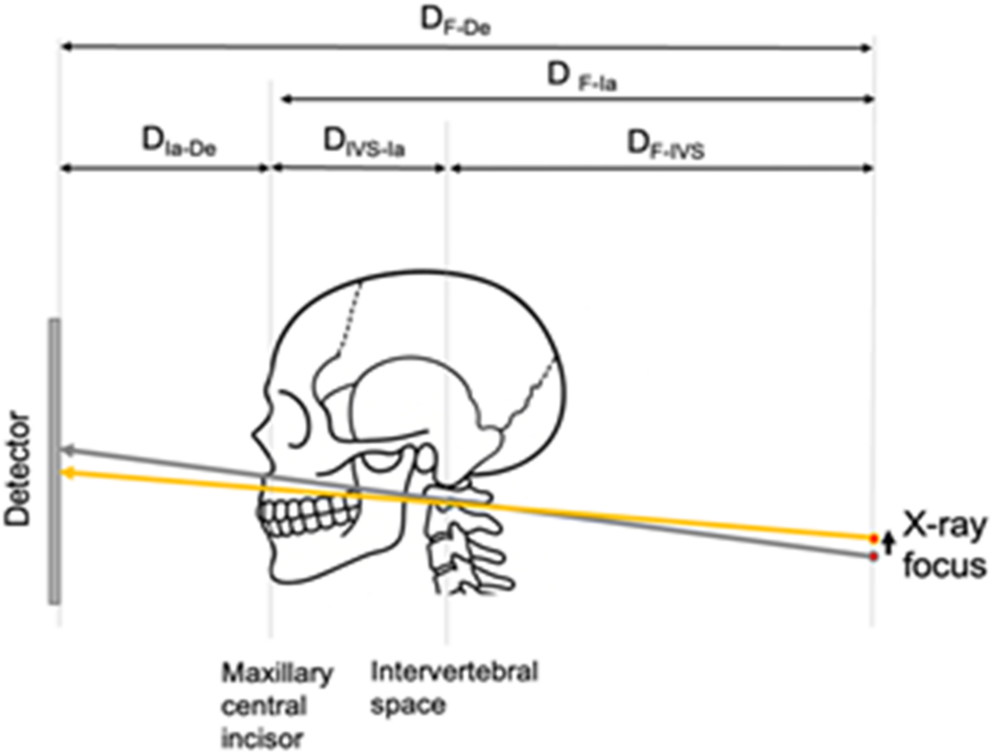
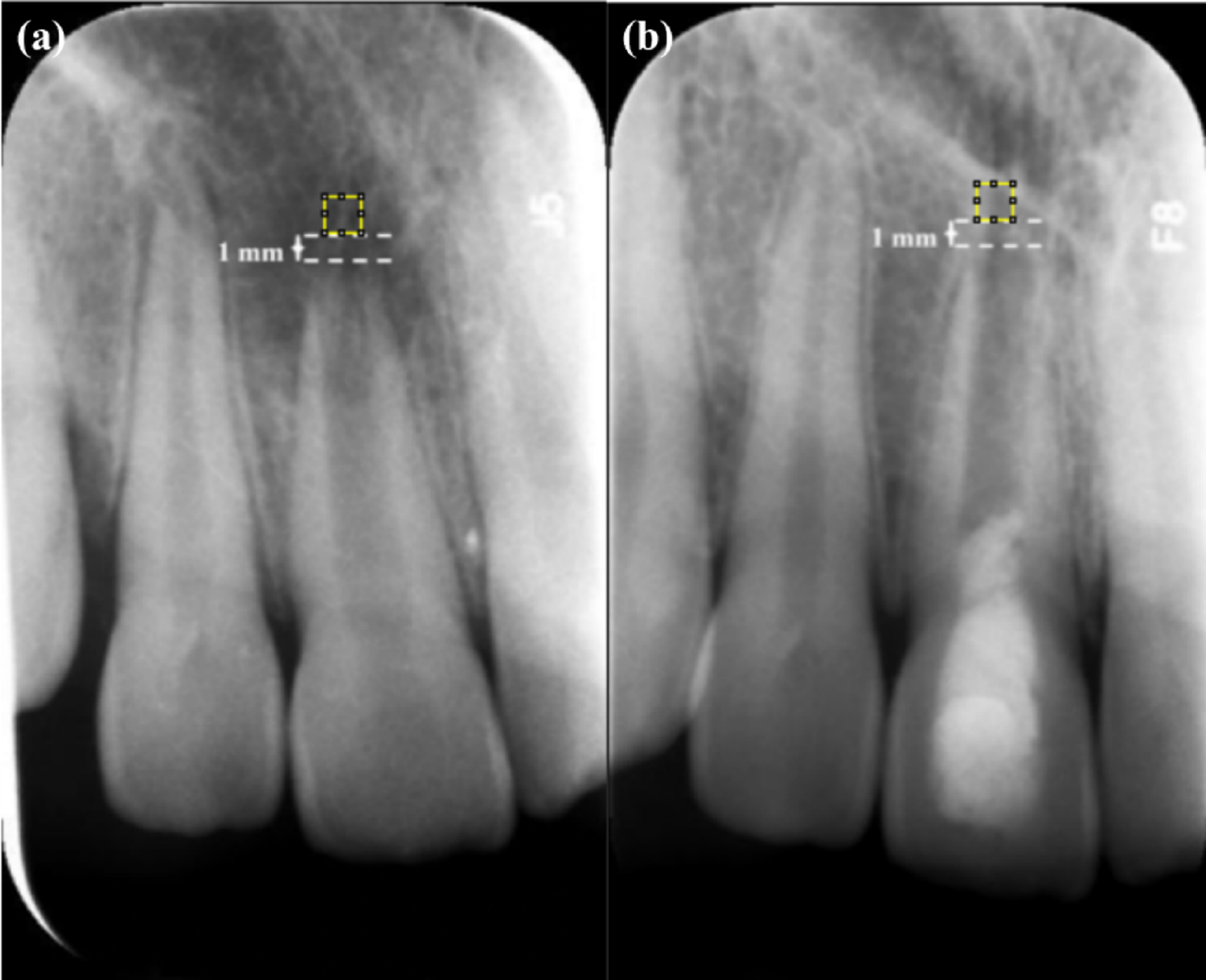
We analyzed CBCT images of 28 patients who underwent CBCT examination at Prince Philip Dental Hospital between March 2016 and July 2021. Overall, 136 teeth were studied. We created an 8 mm-thick reconstructed maximum intensity projection image to show each subject tooth, traced them with the surrounding structures, such as the hard palate and the buccal skin surface of the maxilla, and measured various parameters for determining the tooth length and palatal height. We also considered the applicability of the parallel technique.
Results
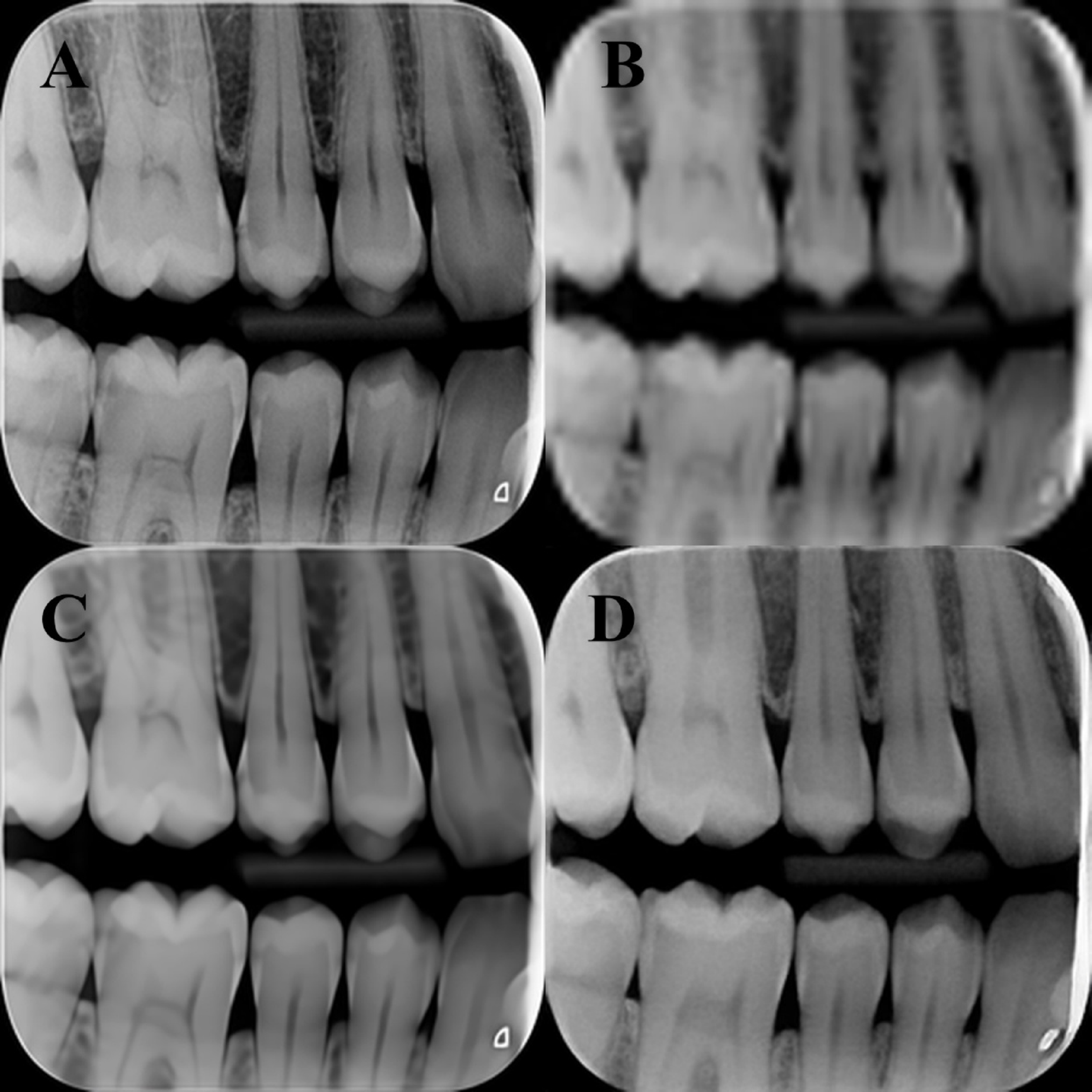
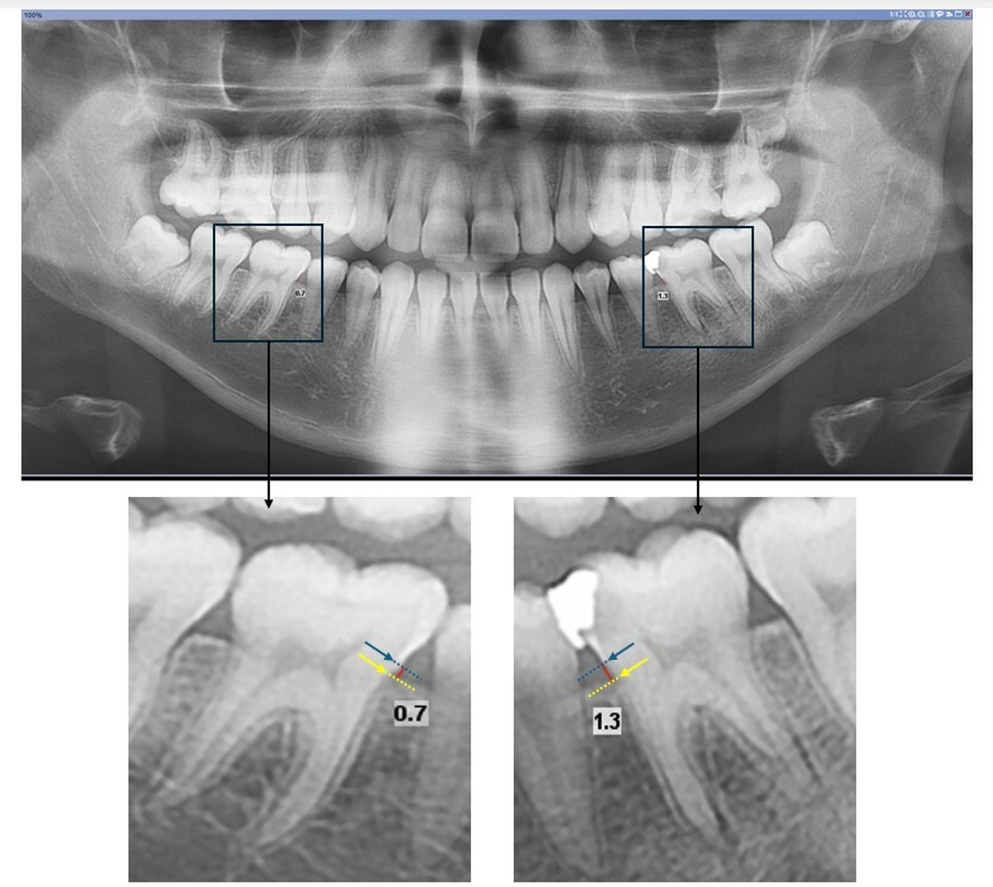
We successfully measured the parameters with excellent intra- and inter-observer reliability indices. The results revealed that the applicability of this technique was not feasible. These results were similar to those of a previous study. Only two periapical radiographs showed distorted shapes and inconsistent root lengths.
Conclusions
Using CBCT image analysis, this study clarified that the paralleling technique is not applicable even for patients in Hong Kong. Clinicians should note that the paralleling technique is not strictly a paralleling method and may lead to image distortion.

Comments (0)