
Remember me
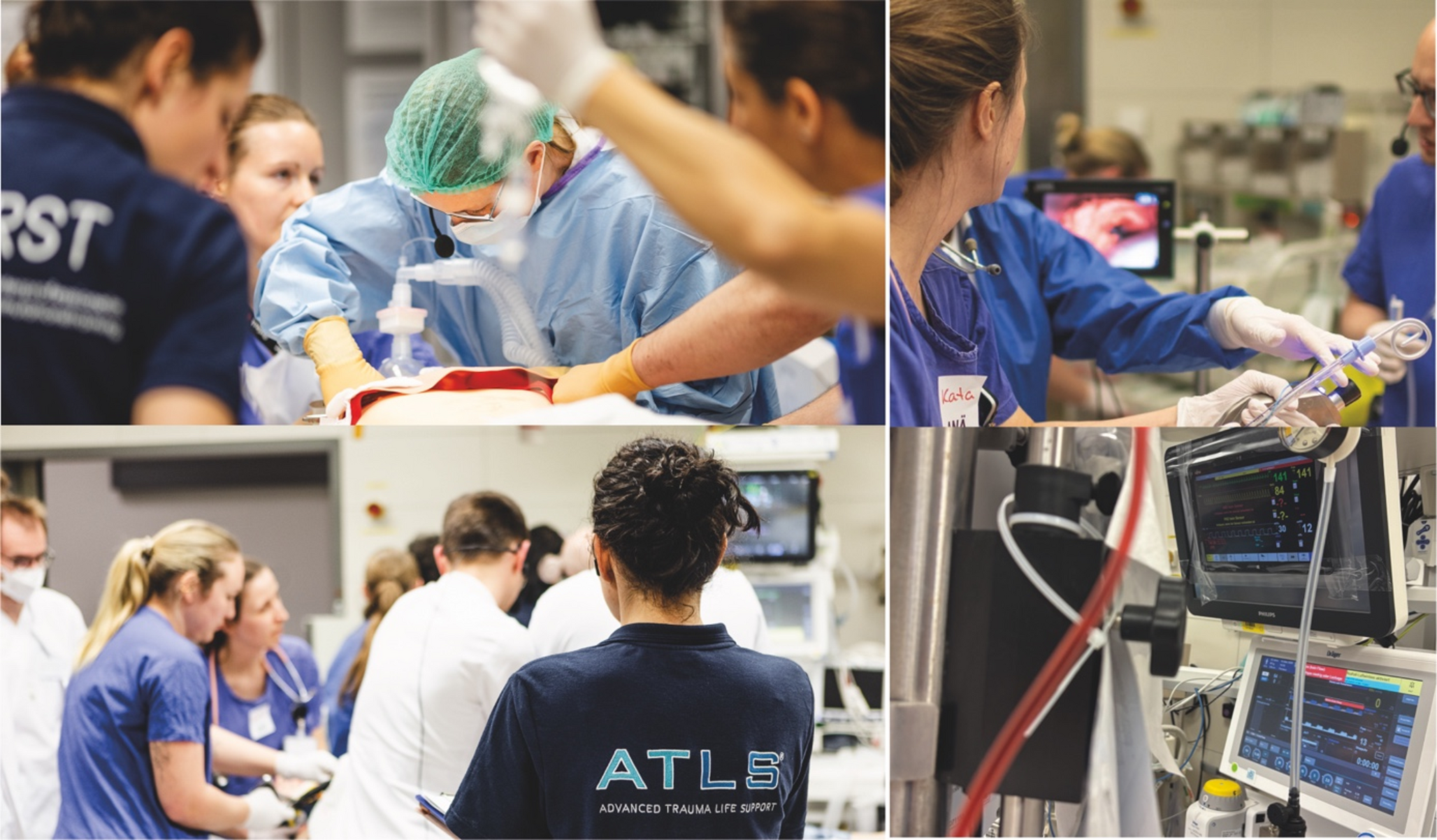

The BEST project gained much enthusiasm, and its strong face validity contributed to the positive reception of the 1-day simulation course [17]. Information about the project spread organically by word-of-mouth without active advertising, resulting in several hospitals requesting similar courses. This pattern mirrors the uptake described by Rogers in Diffusion of Innovations (1962) [18]. In subsequent years, every Norwegian hospital arranged one or more local simulation training courses.
Network meetingsSince 1997, 25 annual national network meetings have been held. These meetings facilitated the exchange of experiences (Table 3), streamlined procedures to reduce individual workload, and helped maintain enthusiasm [16]. As a collaborative effort, the network developed several adjuncts, including uniform alarm criteria for trauma teams, a patient observation record form, wall posters, and pocket cards (Fig. 1).
Table 3 Examples of cases presented and discussed at annual network meetingsFig. 1 The alternative text for this image may have been generated using AI.
 The alternative text for this image may have been generated using AI.
Observation form for patients with trauma, using an ABCDE-format aide-memoire developed by the Norwegian trauma network. The reverse side allows for registration of operations, diagnoses, and the Glasgow outcome scale scores for patients
Trauma teams and alarm criteriaWhen the project began, only a few hospitals had predefined trauma teams and criteria for alarming them. Consequently, emergency room personnel had to decide when and whom to call if a patient with suspected severe injuries was expected. By 2006, before the national trauma plan was implemented, 88% of hospitals had established trauma teams and alarm criteria [19].
What to do (action cards) protocolsInitially, examinations and procedures for admitting patients with trauma varied widely. Participants at national meetings agreed to follow international recommendations based on ATLS principles [8]. Consequently, most hospitals adopted standardised action cards outlining the steps to take when admitting and examining patients with trauma.
Wall postersHospitals collaborated to create wall posters featuring the Glasgow Coma Scale (GCS) and other important information, as the local trauma teams wanted a visual aide-memoire to reduce cognitive load during critical moments [20].
Pocket cardsSome hospitals created pocket cards detailing trauma team composition, alarm criteria, and the expected actions of each team member. Additionally, the cards included GCS scores and other important information. They were to provide newly employed colleagues with a rapid and easy way to know what was expected of them. They were developed at national meetings (Fig. 2).
Common trauma patient record (colours and checklist)Early in the project, many hospitals noticed the lack of patient records. They collaborated to develop a common record that combined a checklist with the information required for a trauma registry and incorporated colours. Several versions were circulated among all the hospitals in the network before a decision was made. The reverse side included a table for injury severity scoring, facilitating easier data collection (Fig. 1). This work was conducted before the World Health Organisation introduced the Safe Surgery Checklist [21]. Records were printed and made available at cost in 2001, with approximately 20,000 copies distributed over the years.
Fig. 2 The alternative text for this image may have been generated using AI.
Pocket card with an ABCDE-format aide-memoire, including specific actions for team members and Glasgow coma scale information
Surgical damage control trainingThe first course was held in 1999; however, 12 years later, the responsibility for these courses was handed over to the four regional trauma centres. Surveys indicated that some participating surgeons also applied these techniques to patients with haemorrhage in routine surgical care [22, 23].
Local database as precursor to the national trauma registryThe Norwegian National Trauma Registry was formally established in 2015. However, in 2004, the initiative introduced an Excel-based program that allowed hospitals to register their data and assess their performance.
Facilitator coursesAfter a few years, many hospitals identified the facilitator’s role as challenging. Therefore, the project began offering two-day facilitator courses at local hospitals. These courses focused on training facilitators to ask relevant open-ended questions and encourage team reflection. They are mainly practical training courses, with minimal didactic presentations. The courses, which began in 2007, have now been gradually transferred to four regional health simulation centres, following 27 courses with 450 participants nationwide.
Comments (0)