Bilateral fornix bodies and posterolateral thalamus ischemia, septum pellucidum cyst
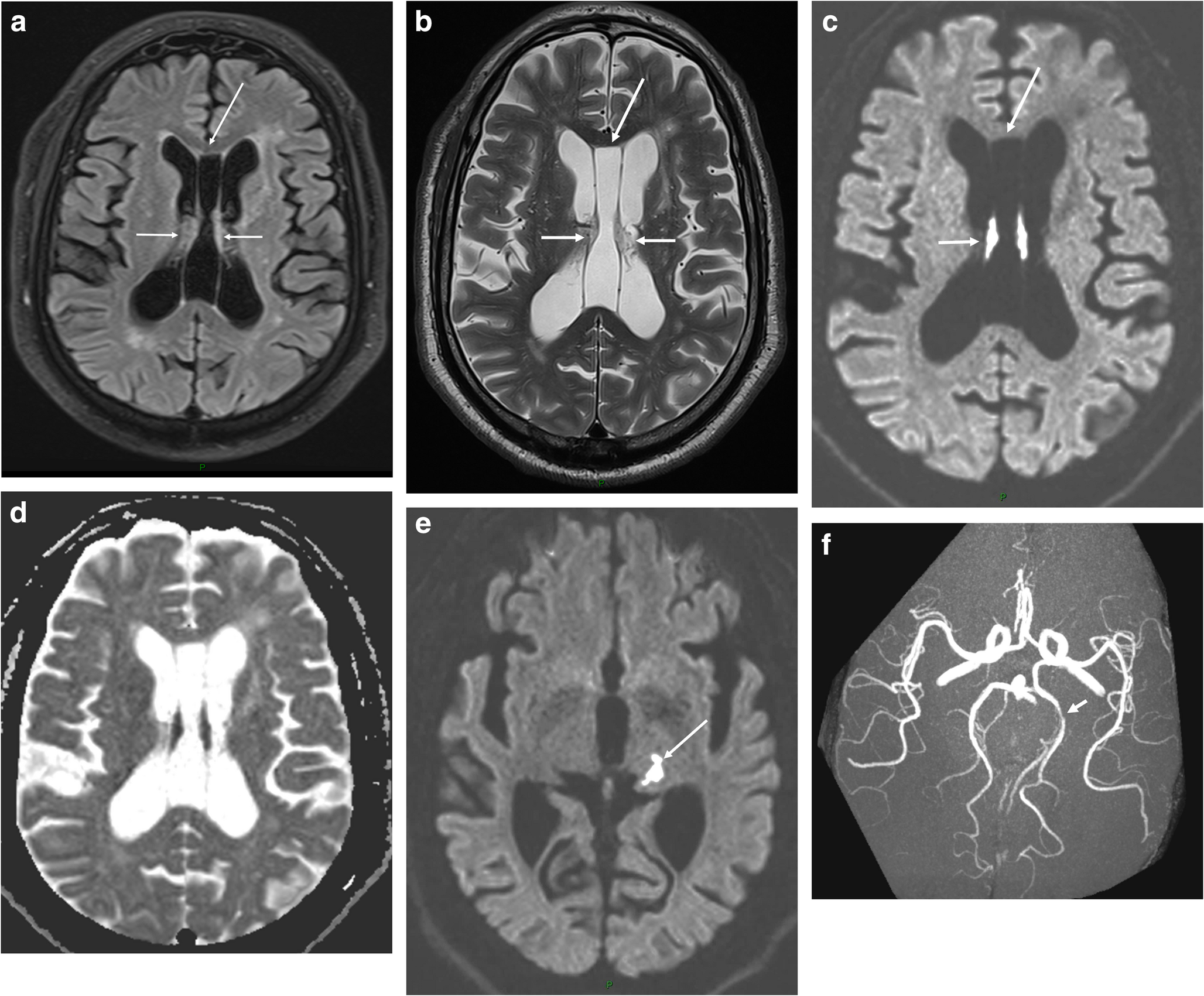
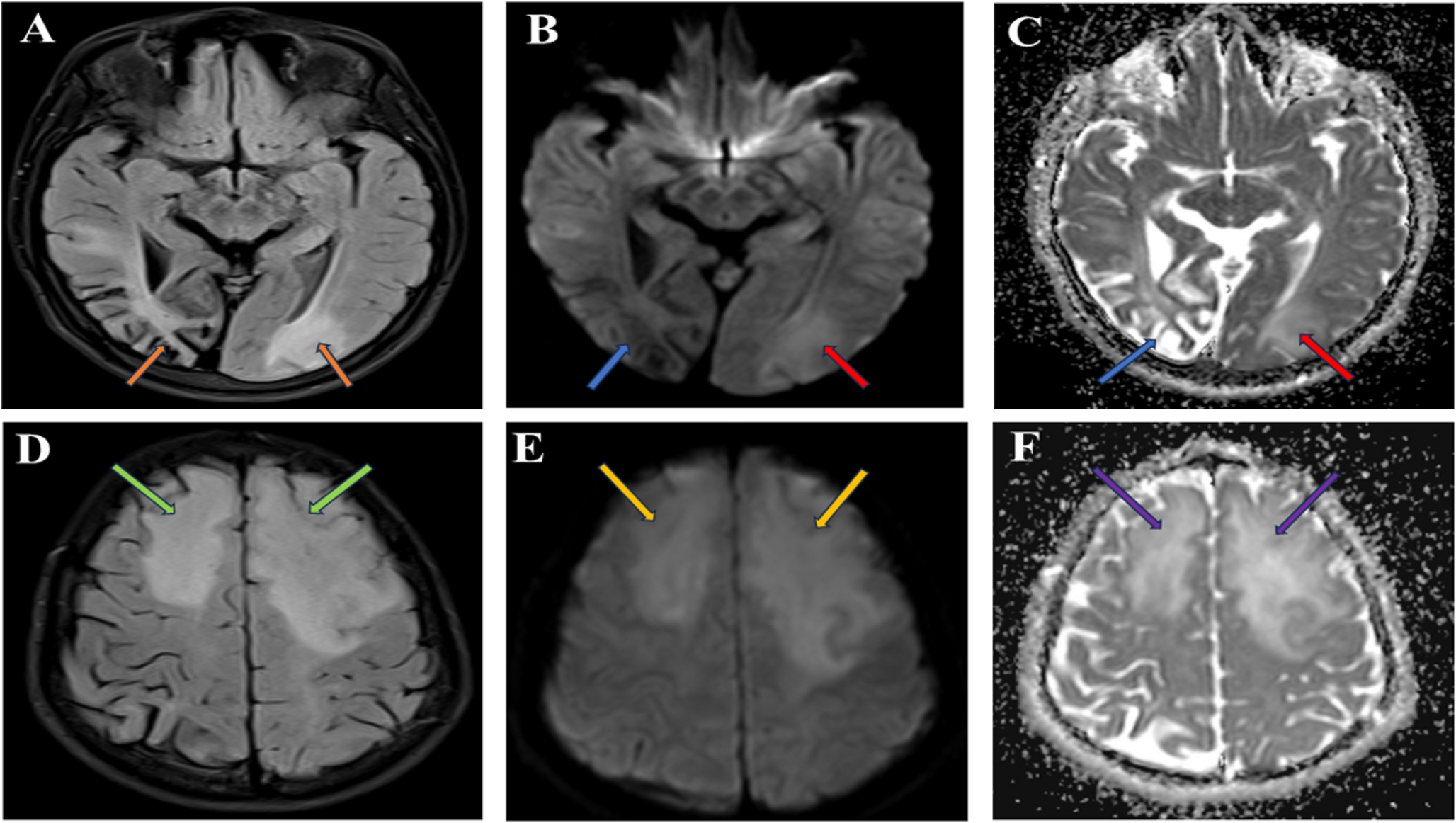
Purpose: Bilateral damage of fornix bodies has been reported in a few cases of brain tumors and in exceptional cases of ischemia. Methods: a 73-year-old man presented with acute right ataxic hemiparesis and right hypoesthesia. Brain MRI showed an acute ischemia of both fornix bodies and of the left posterior lateral thalamus, along with a septum pellucidum (SP) cyst. MR angiography revealed a 7-mm long stenosis of the initial P2 of the left posterior cerebral artery. Neuropsychological evaluation documented an amnestic syndrome. Fornix bodies and posterolateral thalamus are supplied by the medial and lateral branches of posterior choroidal artery, arising from the initial P2. As our patient presented a single intracranial vascular lesion on MR-angiography, i.e. long stenosis at the initial P2, left thalamic ischemia and ischemic lesions of both fornix bodies were due to the unpaired variation of that artery. Moreover, this fornix ischemia occurred in association with SP cyst, which did not favored the ischemia, but resulted in a unique and unreported pattern, because of the configuration and relationships of the fornix. The amnestic syndrome related to the fornix ischemia in our patient was non-specific. Conclusions: unreported condition of infarct of both the fornix bodies- responsible for acute anterograde amnesia- and of left inferolateral and posterior thalamic territories, related to an atheromatous stenosis of the initial left P2 posterior cerebral artery. The fornix bodies infarct occurred in a patient with a large SP cyst, which gives a particular pattern, non-previously described.

Comments (0)