Long-term survival after multidisciplinary treatment including durvalumab for recurrent perihilar cholangiocarcinoma
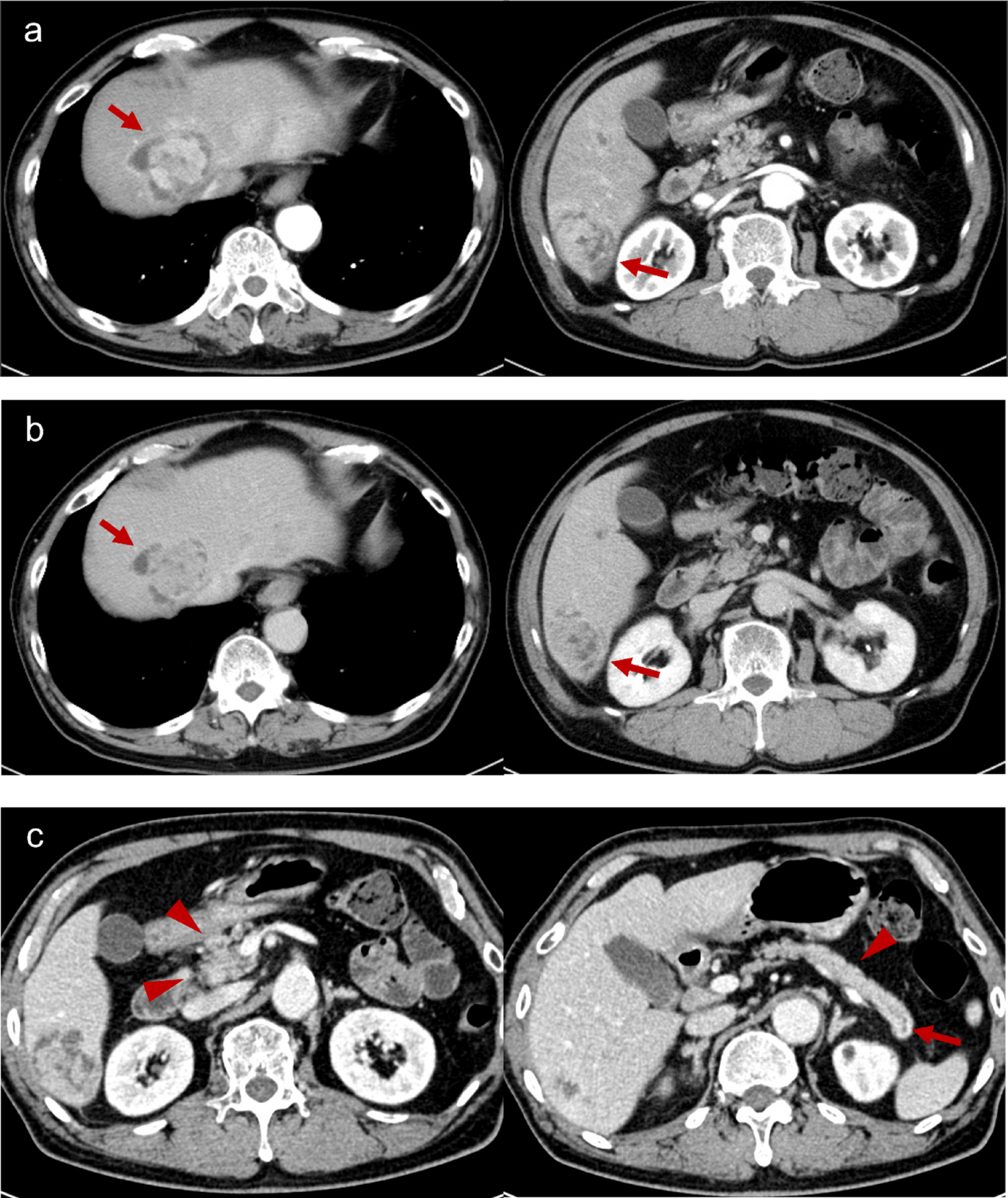
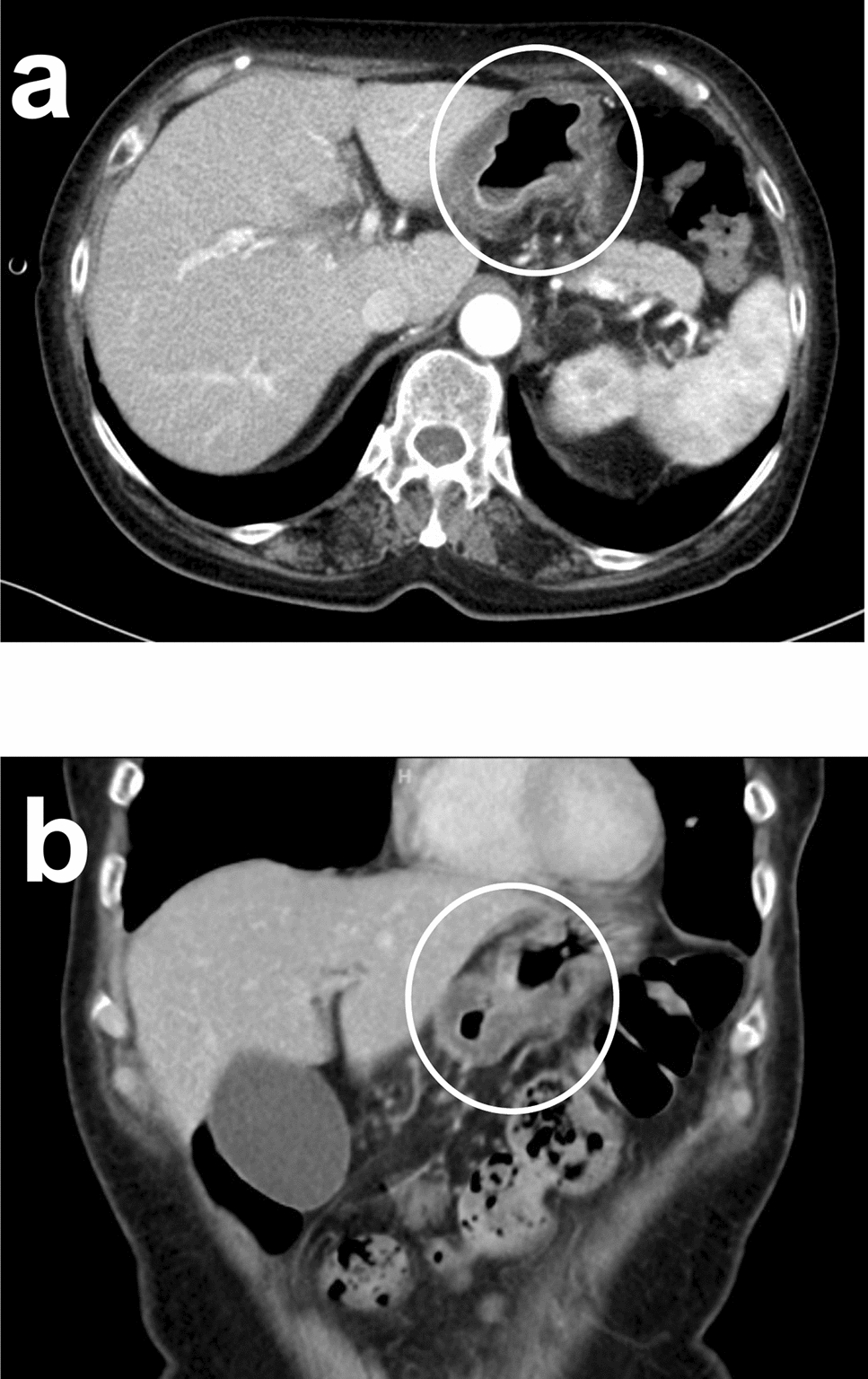
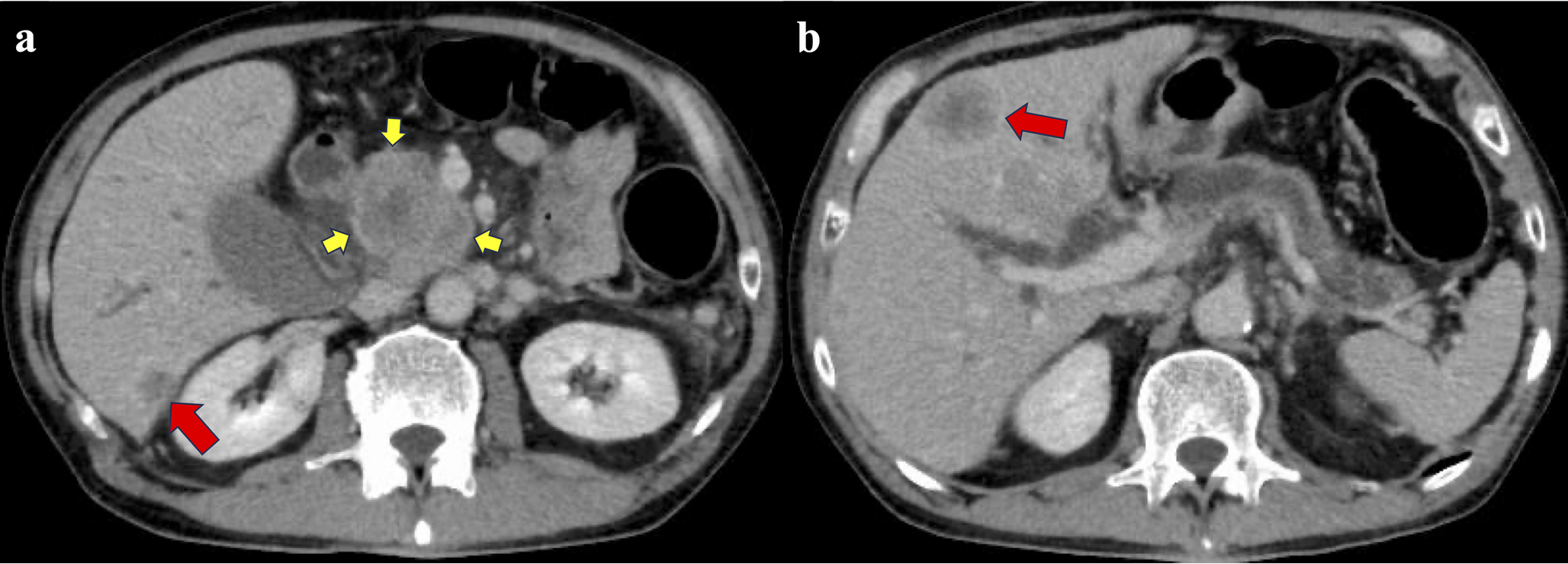
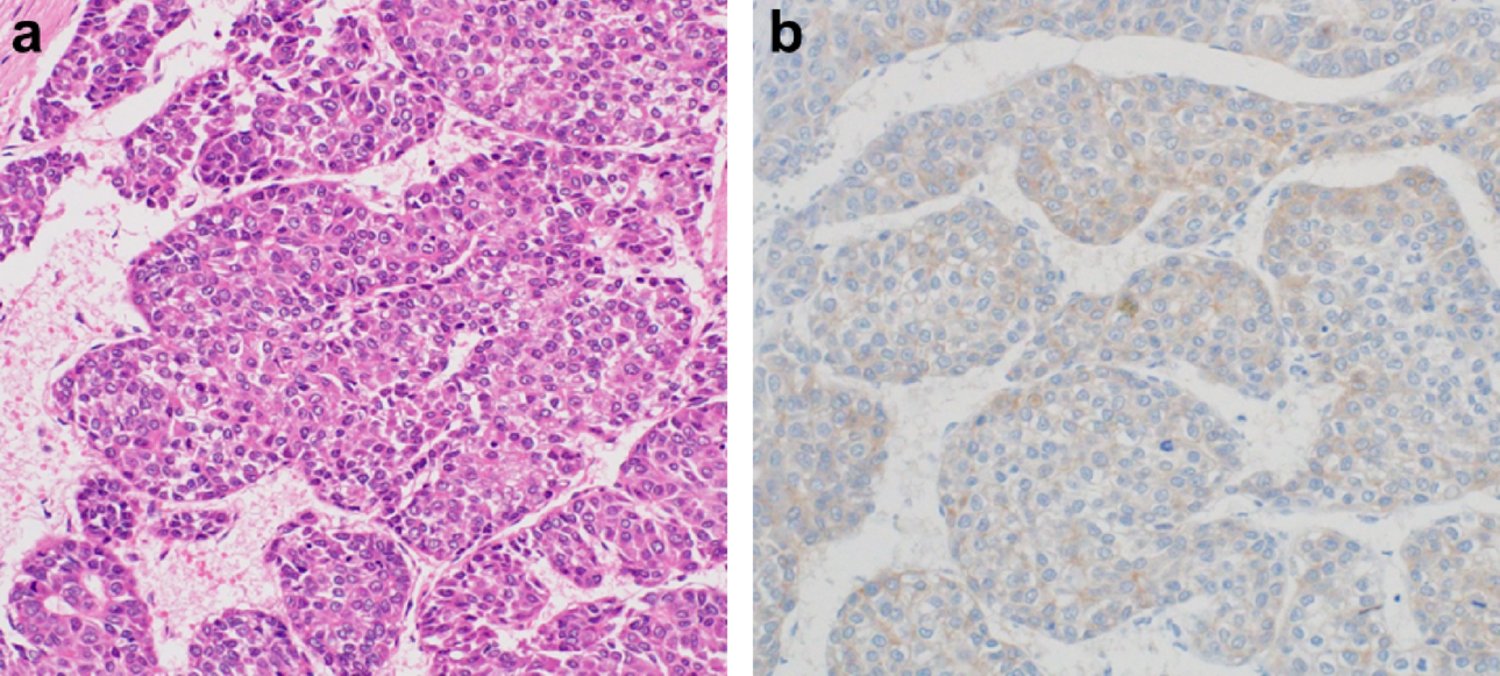
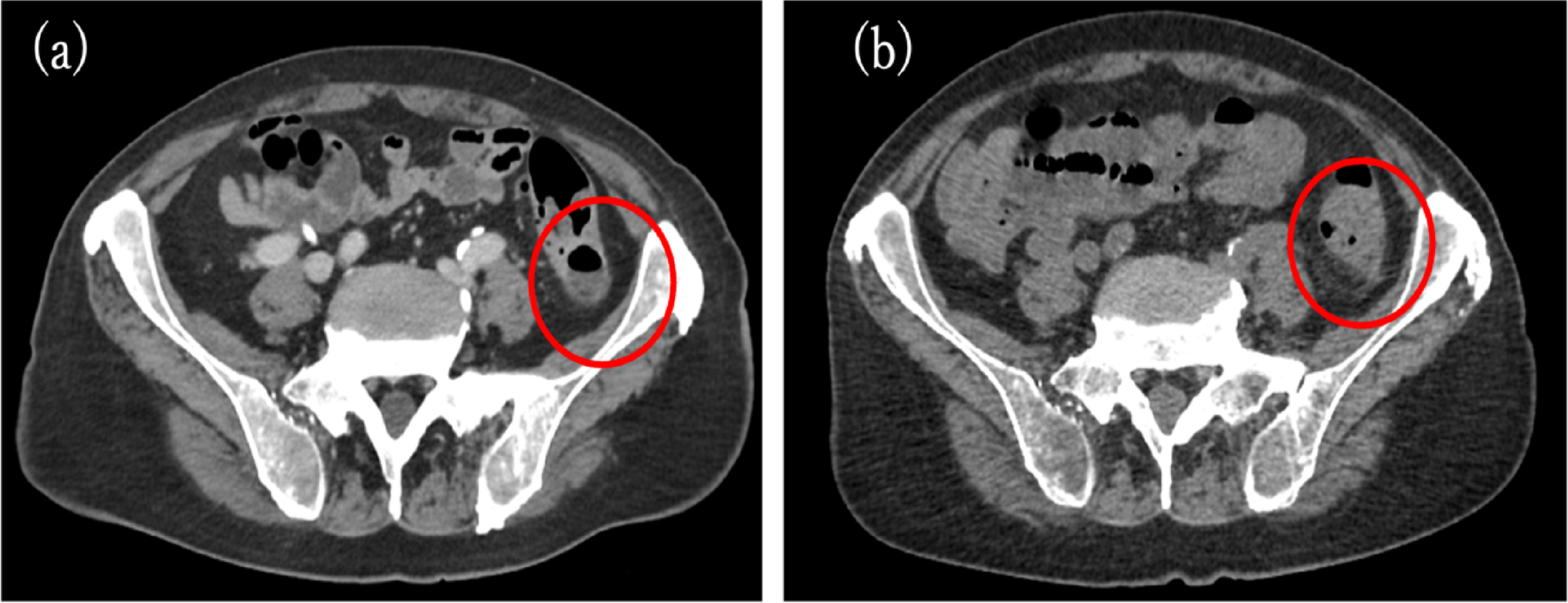
Perihilar cholangiocarcinoma is an aggressive malignancy with a poor prognosis even after curative resection, and recurrence is common. Systemic chemotherapy has long been the standard treatment for recurrent disease, but durable survival is rare. Recently, immune checkpoint inhibitors (ICIs) have been incorporated into first-line regimens for advanced biliary tract cancer, showing promising efficacy. We report a 61-year-old man who underwent extended left hepatectomy with caudate lobectomy, bile duct resection, and portal vein reconstruction for stage IVA perihilar cholangiocarcinoma. Twelve months later, para-aortic lymph node recurrence was detected and treated with gemcitabine plus cisplatin (GC), followed by S-1 and proton beam therapy for local recurrence. At 41 months post‑diagnosis, new intrahepatic metastases developed, and GC‑durvalumab (GCD) therapy was initiated. All lesions achieved radiological complete response within 2 years, with only grade 1 skin toxicity. The patient remains alive and well at 65 months after surgery and 53 months after recurrence, with sustained disease control. This case highlights the potential role of ICIs within multidisciplinary treatment strategies, demonstrating that even recurrent perihilar cholangiocarcinoma may achieve clinical complete response and long-term survival.

Comments (0)