Histopathological predictor of response to mirikizumab in active ulcerative colitis
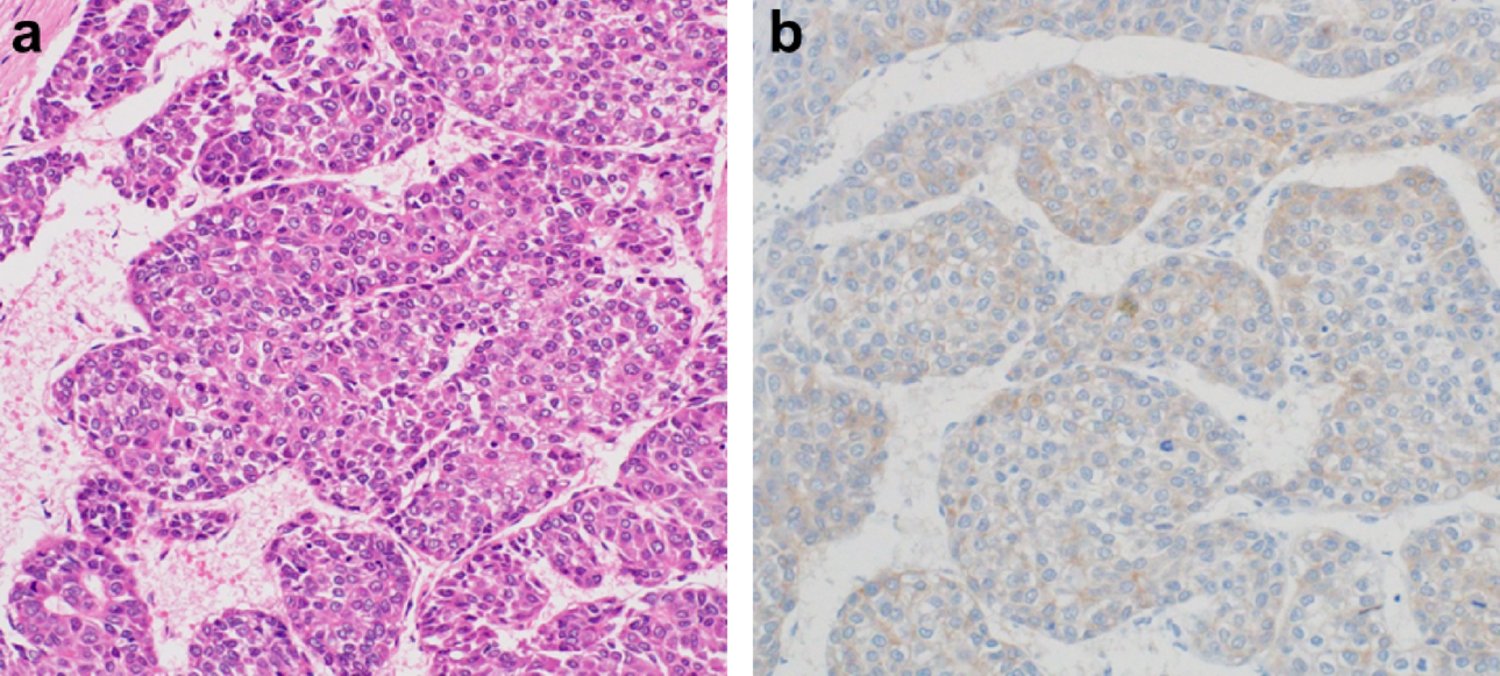
All three patients demonstrated high epithelial neutrophilic infiltration (Geboes Grade 3.2), corresponding to Th17-predominant mucosal inflammation. This inflammatory pattern is mechanistically driven by the IL-23/Th17 axis and downstream effector cytokines such as IL-17 A and IL-17 F [6,7,8]. High epithelial neutrophilic infiltration may therefore serve as a surrogate marker for IL-23-mediated inflammatory processes and support the selection of mirikizumab [2, 3, 9]. Our clinical approach is based on the following principle: when any biopsy from an active site demonstrates Geboes Grade ≥ 3.2, whether at initial diagnosis or disease relapse, IL-23 inhibitor therapy may be considered. This approach proved successful in our cases with anti-TNF primary nonresponse, secondary loss of response to ustekinumab, and biologic-naïve steroid-refractory disease. This strategy aligns with long-term efficacy data from the LUCENT-3 extension study demonstrating sustained mirikizumab effectiveness [10].
Notably, Case 2, who experienced secondary loss of response to ustekinumab (an IL-12/23p40 inhibitor), subsequently responded to mirikizumab (a selective IL-23p19 inhibitor). Persistent neutrophilic crypt injury despite p40 inhibition may indicate that more selective p19 blockade is required, potentially offering enhanced disruption of Th17-mediated inflammation. In addition, follow-up biopsy samples taken from the same segments during endoscopic remission revealed a marked decrease in neutrophilic infiltration, improving to Geboes Grade 3.0 or 3.1 in all three cases. Our cases were classified as Grade 3.2, but we believe that Grade 3.3, which shows even more extensive crypt destruction and neutrophilic load, would also benefit from IL-23p19 blockade because it likely reflects severe IL-23-driven pathology.
The main limitations of this case series include the small sample size and absence of a control group. These findings should therefore be regarded as hypothesis-generating and are insufficient to establish causality. We also acknowledge a limitation of the Komagane method; specifically, the requirement for time-consuming quantitative crypt counting by pathologists may restrict its utility in routine clinical settings. In 2023, risankizumab and guselkumab, which are other IL-23p19 inhibitors that act similarly, were unavailable in Japan.
In summary, Geboes Grade 3.2 neutrophilic infiltration may represent a candidate predictive biomarker for response to IL-23p19 inhibition with mirikizumab in patients with active UC, including those who are biologic-naïve or have demonstrated inadequate response to anti-TNF agents or ustekinumab. Although preliminary data indicate that severe neutrophilic infiltration (Geboes Grade 3.2) correlates with a favorable response to mirikizumab, the limited sample size necessitates caution. Therefore, histological assessment should be considered an adjunctive tool rather than a definitive determinant for initiating therapy at this stage. The proposed histology-guided therapeutic strategy requires validation in larger prospective controlled trials.

Comments (0)