This is the first systematic review in the past decade to analyse the characteristics, purpose and outcomes of dose expansion cohorts in phase 1 clinical trials. The characteristics of phase 1 expansion trials have evolved markedly over the last 15 years to adapt to drug development needs with increasing emphasis on early assessment of preliminary efficacy. The median number of patients enroled has increased substantially, from 17 patients in Manji’s review to 27 in this study [1]. Although this does not reach the typical sample size of phase 2 trials, usually between 70 and 140 participants [15], this marked increase requires justification in each study, particularly due to the increased uncertainties around dose and toxicities patients in phase 1 trials are exposed to.
The proportion of novel therapies investigated has increased, though this is driven by trials of immunotherapies rather than targeted agents (5% and 72%, respectively, in the Norris review versus 21% and 75% in our analysis) [2]. Also, we have witnessed the emergence of ADC as a new way of delivering cytotoxic compounds to cancer patients. There has only been a small increase in the use of model-based dose finding strategies, from 6–8% to 10% of trials in our review [16, 17]. These novel strategies have the potential to facilitate more efficient dose escalation trials gathering patients’ data in real time, but their increased complexities and costs associated with statistician time may be limiting their uptake [7].
There are some features in expansion trials, however, that have remained stable over the years. The proportion of haematology trials compared to those recruiting solid tumours continues to represent approximately one in six studies. Some tumour subtypes, such as central nervous system, sarcomas or head and neck cancers, continue to represent the lowest percentage of all solid tumours recruited to phase 1 trials [1]. It is interesting to note that they are also precisely the tumour types with lowest response rates in our review. The poorer outcomes seen with patients with rarer cancers highlights the need for increased investment in drug development for orphan diseases and therefore it is disappointing to see the continued low numbers of studies for these tumour types [18].
Overall, only 38.4% of the reviewed trials incorporated a biomarker as an eligibility criterion. In the era of precision oncology, this figure remains disappointingly low. Greater efforts are needed to advance biomarker development, enabling more refined patient selection and ultimately potentially enhancing the efficacy of novel therapies [19].
To our knowledge, this is the first systematic review of expansion-phase 1 trials that specifically analyses response rates. We identified four key factors associated with increased ORR in phase 1 trials with expansion cohorts, namely tumour type recruited, combination versus monotherapy trials, class of agents tested and statistical justification for the expansion cohort. Haematology trials consistently demonstrated higher response rates compared to solid tumour trials, likely due to well-established biological and pharmacological differences [20]. In addition, combination therapy trials were shown to yield higher response rates than monotherapy trials consistent with previous studies [21].
Trials that did not involve immunotherapies were also associated with higher ORR. The interpretation of this finding is less straightforward due to the heterogeneity of immunotherapy trials included. However, it may suggest that current strategies to target the immune system—beyond checkpoint inhibition—have yet to demonstrate consistent efficacy in early-phase settings, potentially due to the lack of reliable biomarkers. This contrasts with the high response rate of ADCs in the present review, which represent one of the more successful strategies in drug development over the past decade.
Of note trials that incorporated a statistical justification for the expansion cohort were associated with both higher ORR and DCR. In contrast, the univariate analyses showed that number of patients included in the expansion cohort did not correlate with increase ORR or DCR. It is interesting to see that studies with clearly reported statistical plans are also those able to objectively demonstrate increased response rate, underscoring the importance of including a robust statistical rationale when designing expansion cohorts.
The drive towards assessing efficacy early in phase 1 trials as opposed to a focus on safety alone is reflected in the stated objectives of expansion cohorts: 76.8% of trials in our review identified safety as an objective for the expansion cohort, whereas 77.5% reported preliminary efficacy as the main reason to recruit more patients to the trial. Manji et al. reported similar percentages for safety, but only 45% of studies in their review aimed to look at efficacy in the expansion cohort. It is also, concerning to note that the proportion of transparently reported objectives has decreased from 74% to 55.7% compared to Manji’s review [1]. Given the growing complexity of early-phase clinical trials, careful protocol design and transparent, prospective reporting of study objectives are critical to ensuring the validity and credibility of result interpretation [10, 11, 22].
Encouragingly, however, given the increased importance placed on efficacy assessment in dose expansion studies there has been an increase in the number of phase 1 studies providing a statistical plan to support sample sizes. While only 4% of expansion cohorts in the Norris’ review were supported by a statistical rationale [2], 24.4% of trials in the present review reported a statistical justification supporting the addition of new patients to meet trial objectives such as safety, PK/PD or preliminary efficacy. Although statistical justification has improved over the past decade, considerable progress is still needed to adequately support the growing numbers of patients enroled in these cohorts. Statistical justification is essential to ensure expansion cohorts are designed to avoid exposing patients to futile and potentially harmful therapies, and to enable robust assessment of the main objectives of early phase trials.
The changing focus for the objectives of dose expansion studies is reflected in the reported data. Manji et al. reported that 54% of trials contributed new safety data during the expansion phase, and 13% led to modifications of the RP2D [1]. In contrast, our study found that only 26.5% of trials reported novel safety findings, and just 5.2% resulted in dose adjustments following the expansion cohort. The reason for this change is likely multifactorial, but it may be explained by better-designed dose escalation trials, which help investigators identify limiting toxicities early on. From an efficacy standpoint, 33.5% of trials in Manji’s review reported tumour responses, with only 18.1% distinguishing between data from the dose-escalation and expansion phases [1]. In comparison, 98.1% of the trials included in our review reported preliminary efficacy outcomes, and 49.3% clearly differentiated between escalation and expansion efficacy results.
PK and PD data was highly heterogeneous across studies and often not clearly reported. As a result, data on discordance between escalation and expansion PK/PD were not systematically collected. Future early-phase studies should consistently report PK and PD data separately for the initial and expansion cohorts. This would allow assessment of any differences between cohorts and ensure transparency in interpreting how expansion cohort data align with initial dose-finding results, ultimately supporting more informed dose selection and trial design decisions.
The increased focus on assessing efficacy at earlier and earlier stages in drug development influences the objectives, characteristics and outcomes of dose expansion studies being delivered now compared to 15 years ago. Initially conceived as small protocol extensions aimed at confirming the safety profiles of novel drugs, they have transformed into large, dynamic and increasingly complex cohorts primarily focused on assessing efficacy. This evolution stems from several factors. Firstly, there has been a paradigm shift in phase 1 trials from cytotoxic drugs to modern targeted therapies and immunotherapies, characterised by distinct toxicity profiles and response rates and trends [21]. Secondly, given the urgent need to expedite drug development timelines for cancer patients there have been significant changes in the regulatory landscape with the advent of breakthrough therapy designation, fast track designation and accelerated approval pathways [23]. Finally, the emergence of new statistical models that guide the enrolment of patients in phase 1 trials has accelerated dose escalation and increased the recruitment numbers of expansion cohorts.
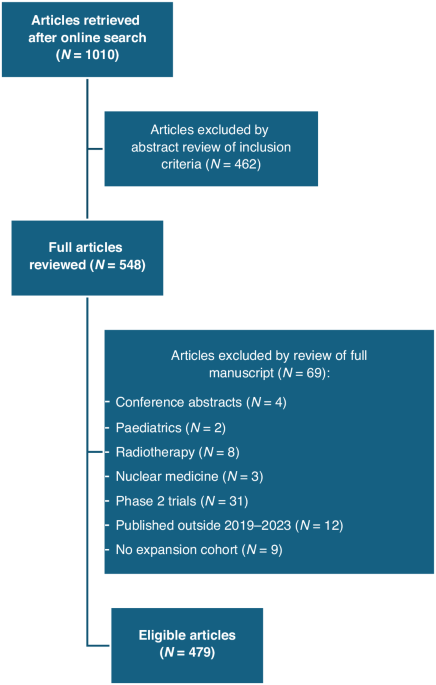
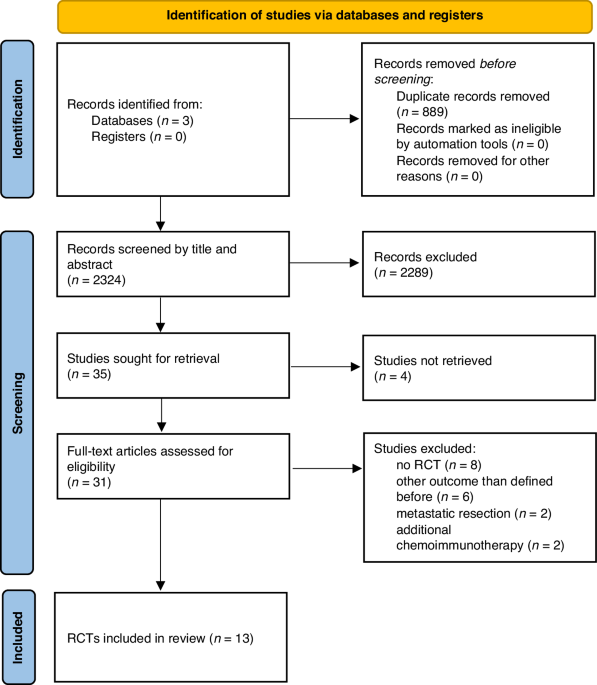
This review has a number of limitations. We excluded expansion cohorts from phase 1/2 and phase 2 trials to minimise heterogeneity given the lack of consensus in reporting the name of early-phase studies; however, this may have led to the omission of valuable insights from phase 1/2 studies with larger patient populations. Additionally, conference abstracts were excluded because they often do not have sufficient methodological or outcome details to permit reliable data extraction and appraisal. While this approach strengthened the quality and consistency of included evidence, it may have led to omission of some information from ongoing trials. Much like many early phase trials, not all studies with ECs are published, which may introduce publication bias and limit the generalisability of our findings [24]. The fact that non-English studies were excluded from the review may limit generalisability of findings to global trial landscape. Although the analysis is robust, its retrospective nature limits the direct applicability of the conclusions. Finally, the trials included in this review are highly heterogeneous. While the study offers meaningful insights into trends in expansion cohorts in phase 1 clinical trials, the numerical results should be interpreted with caution.
In conclusion, phase 1 expansion cohorts have evolved markedly over the past decade. Contemporary expansion cohorts often enrol substantially more patients and frequently include multiple study arms with the aim to evaluating not only safety, but also PK, PD and particularly preliminary efficacy. Our review shows that the vast majority of treatments under investigation are now novel targeted therapies and immunotherapies. Objectives of expansion cohorts are less explicitly stated than in the past, and there is a noticeable shift towards prioritising efficacy endpoints. Although statistical planning has improved, considerable progress is still needed to ensure robust justification for the increasing scale and complexity of these cohorts. In line with the new SPIRIT-DEFINE and CONSORT-DEFINE guidelines, investigators should clearly specify adaptive features, sample size rationale and the dose expansion strategy [10]. Our findings reinforce the necessity of a pre-specified statistical plan to maximise the scientific value of expansion cohorts, protect patient interests and strengthen the overall interpretability of early phase trial outcomes. Expansion cohorts in early phase oncology trials can inform key development decisions, including dose refinement and early termination of unpromising agents, while informing progression to later-phase studies. Careful planning, including clear objectives and pre-specified statistical analyses, appears to enhance their value. Standardised reporting and prospective evaluation will be important to quantify their contribution and optimise their role in clinical development.

Comments (0)