
Remember me
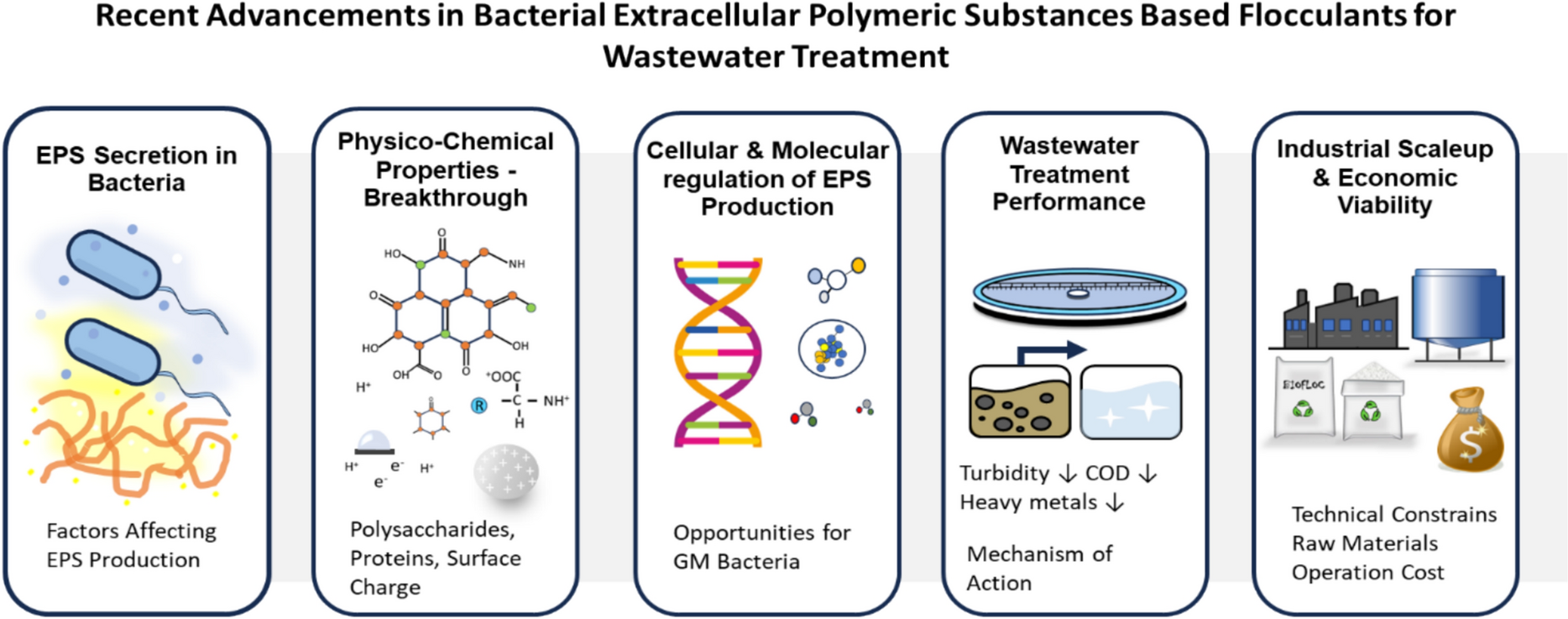

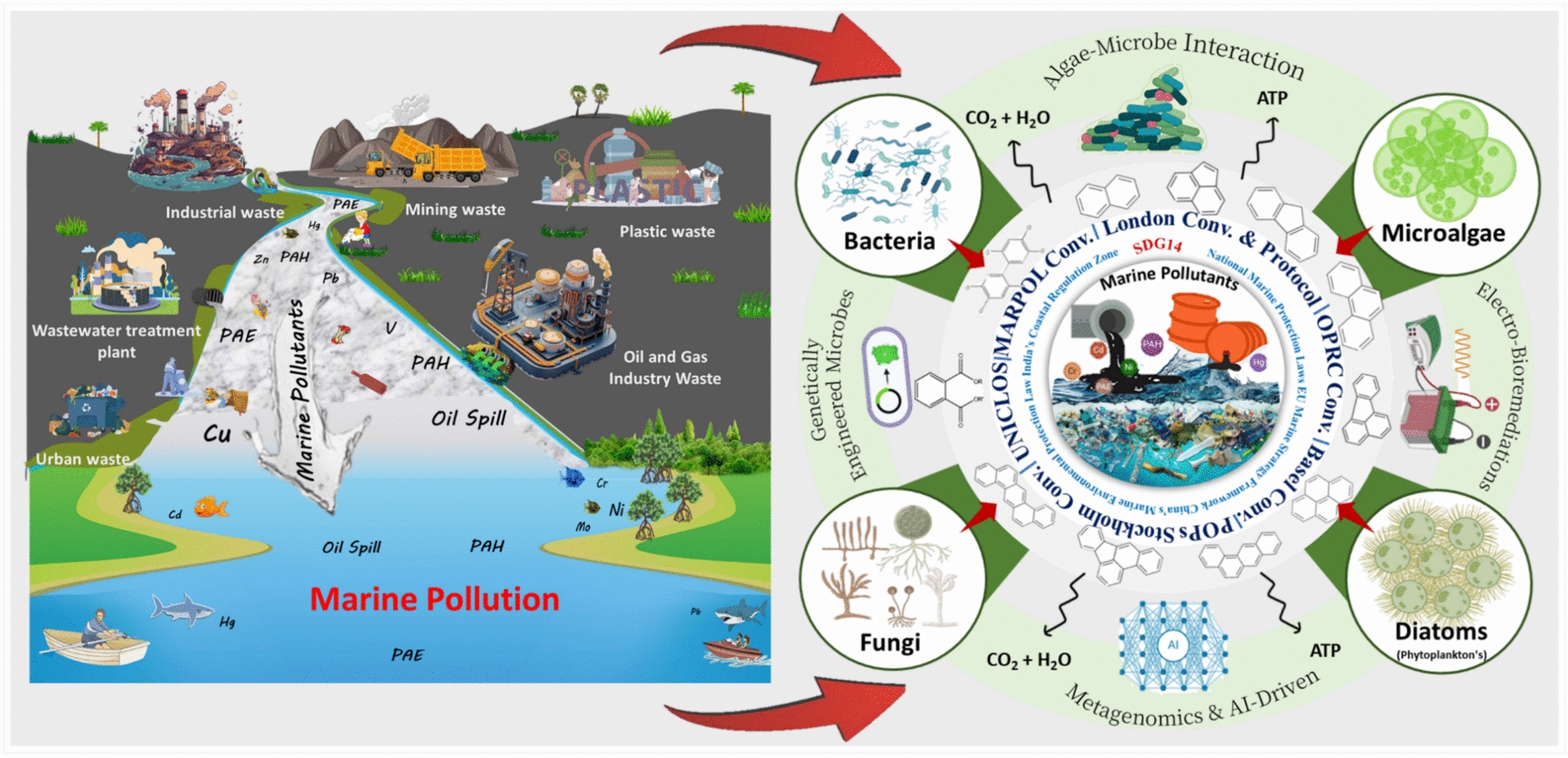
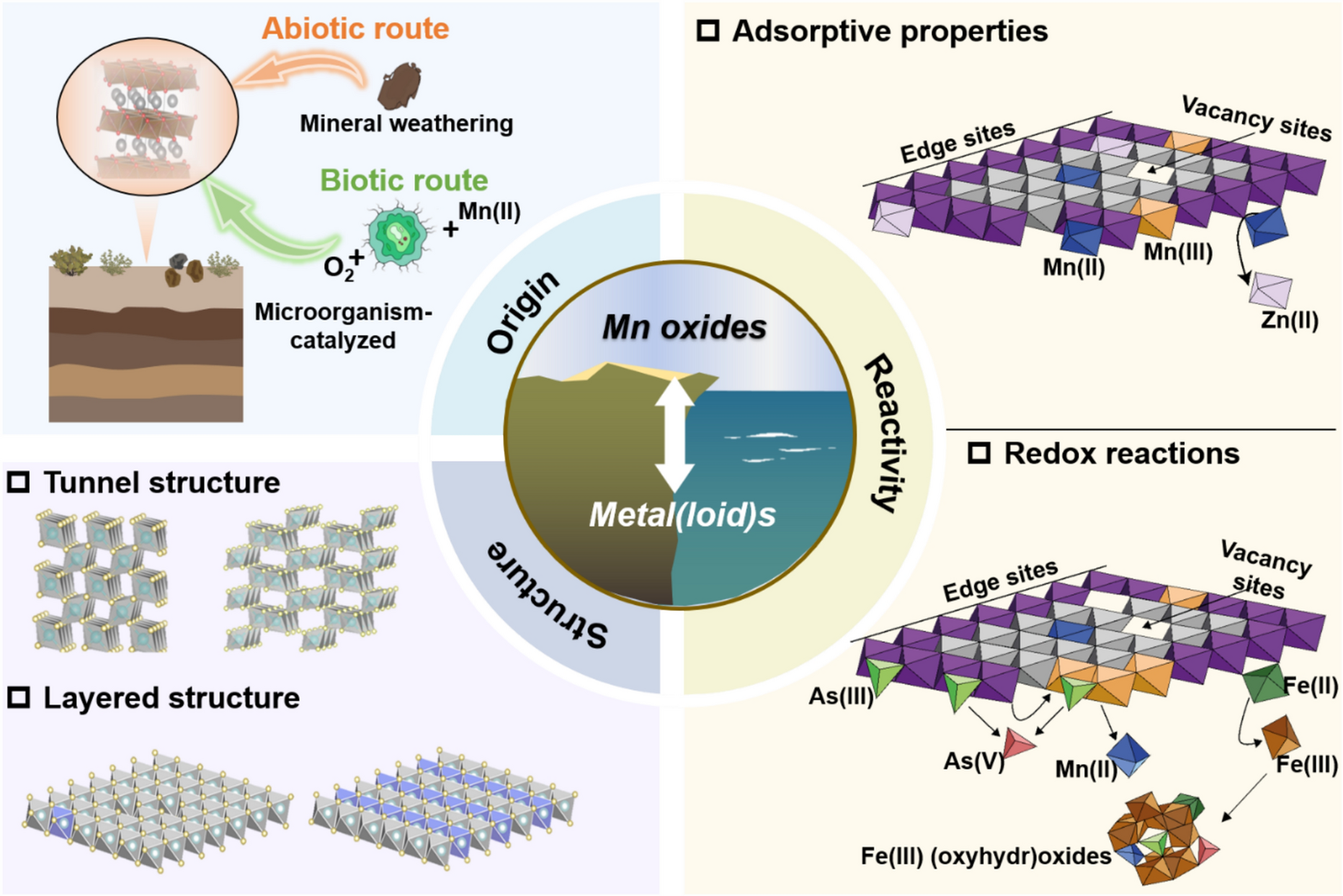
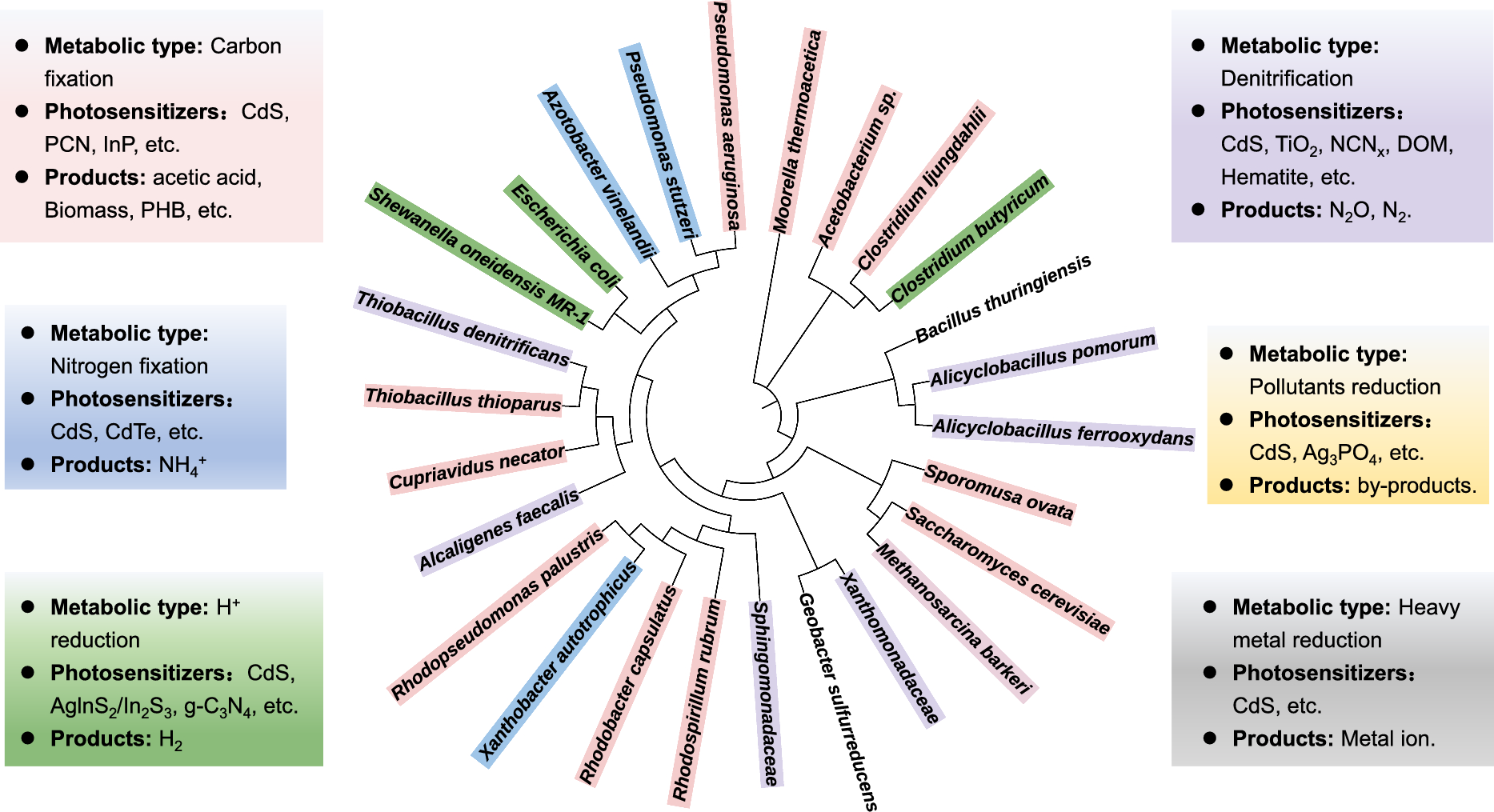
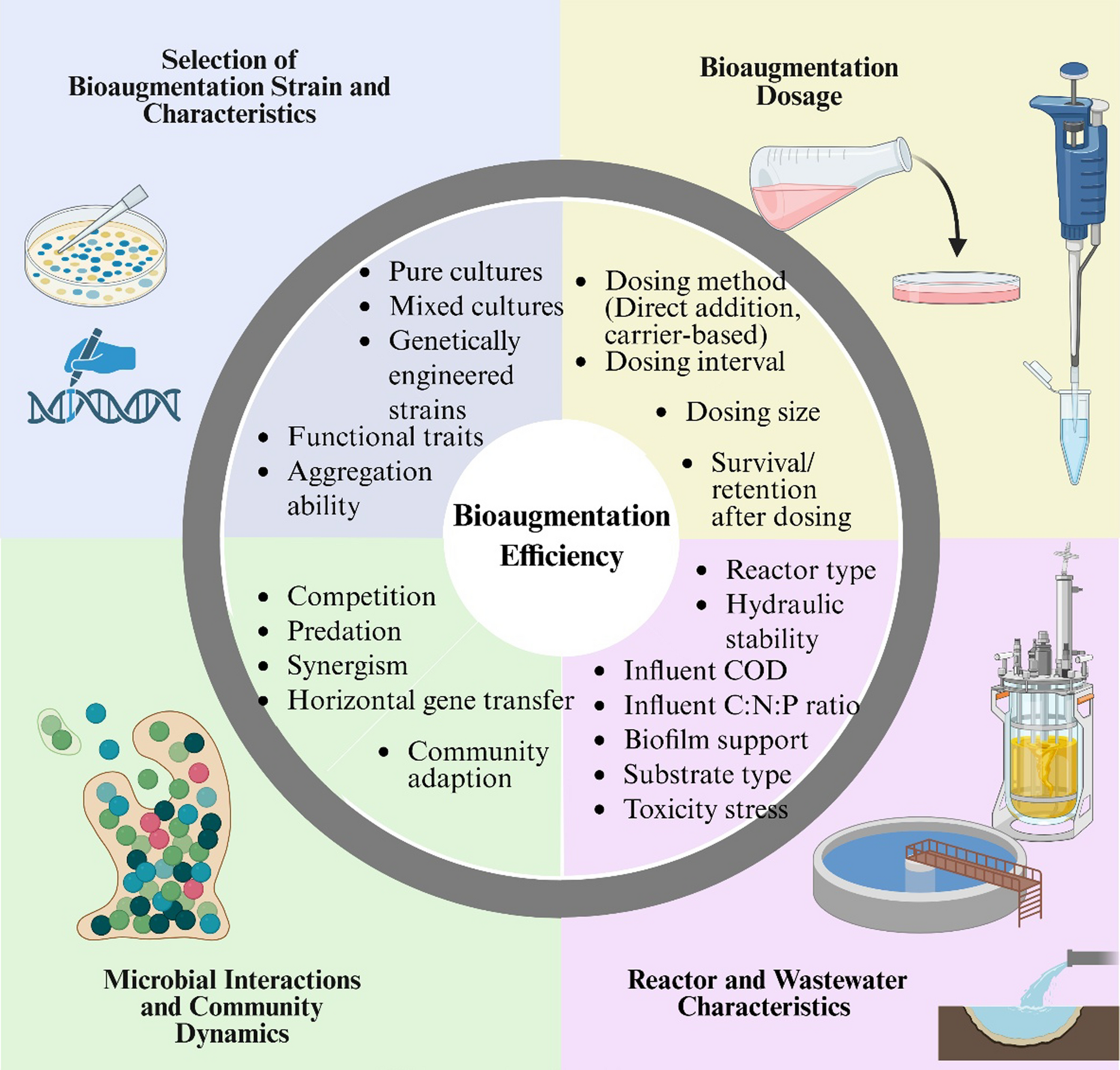
Microorganisms colonize both biotic and abiotic surfaces and self-aggregate to form structured microbial communities (biofilms and aggregates) in almost every environment from the ocean to human body. The majority of the microbes live in communities and support human and animal health, ecosystem well-being and many industrial activities. The robust metabolic capacity of these microbial communities in the cycling of life elements (e.g., C, H, N, P, O and S), also positions them central to planetary ecosystem functioning.
Microbial biofilms and aggregates, enmeshed in their self-produced extracellular polymeric substances matrix (matrixome), represent the most predominant form of life for microbes on Earth and also essential for sustaining other life forms. The role of biofilms in living organisms, industry and the environment is increasingly evident. They can be either detrimental or beneficial to the human society, with a prominent role in human health related to disease, food production to spoilage, and industrial operations to wastewater treatment applications. Biofilms have gained popularity mainly for their detrimental role in human health and industrial operations, due to their extraordinary resistance and tolerance to antimicrobials (e.g., antibiotics and biocides) contribution to antimicrobial resistance (AMR) development. However, biofilms play a pivotal role in biogeochemical cycling of elements, natural attenuation, sanitation and remediation of used water essential for sustainable development.
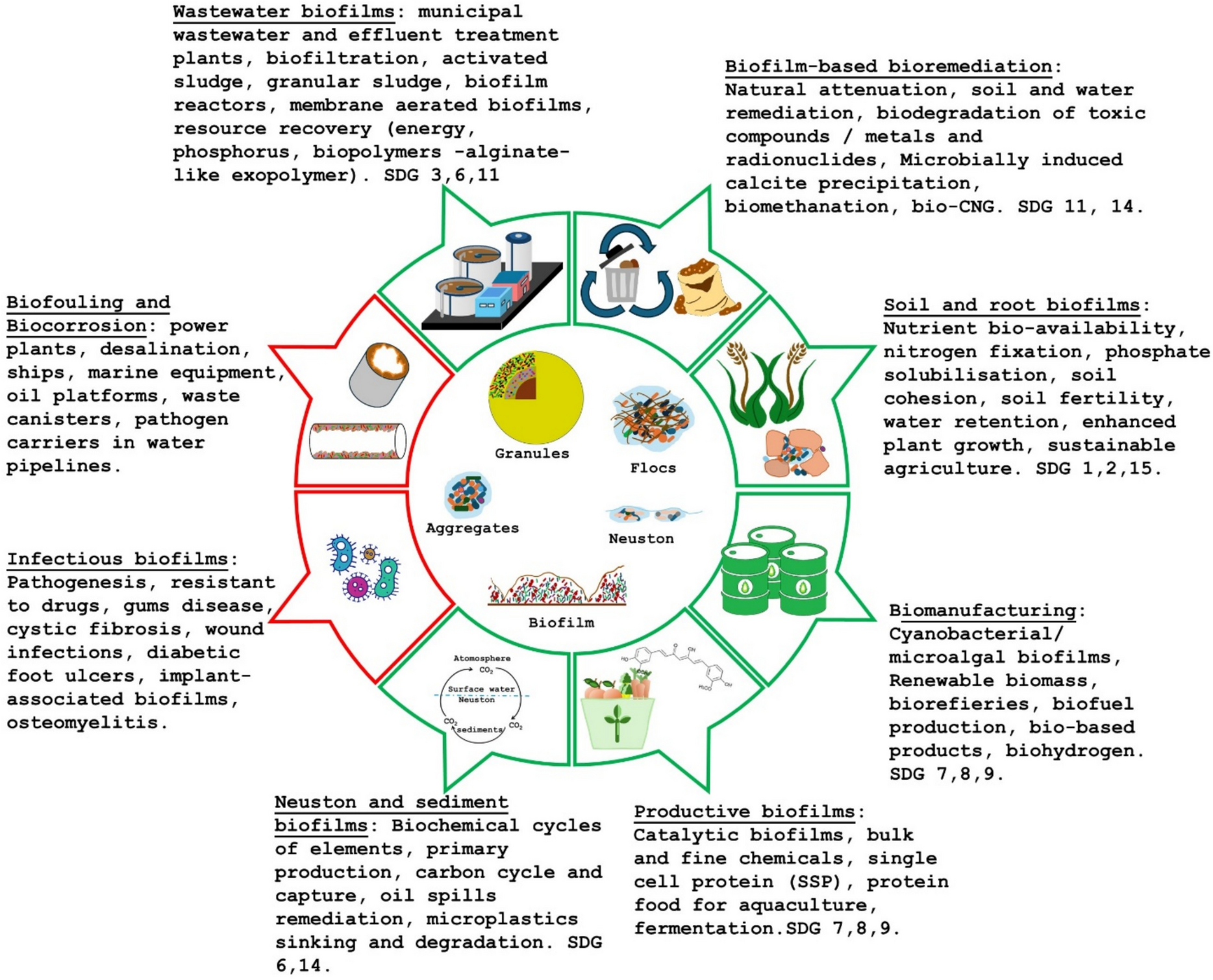
In 2015, the United Nations have chalked out a framework with 17 Sustainable Development Goals (SDGs) for achieving a sustainable future integrated with social, economic and environmental sustainability. Recent studies have highlighted that microbial communities and their biotechnologies can contribute significantly for achieving SDGs and address global challenges like climate change, waste management and resource recovery (Timmis et al. 2017; Crowther et al. 2024). Structured microbial communities in the form of biofilms and aggregates are more robust for removing organic and inorganic contaminants simultaneously through combination of oxidative and reductive metabolic pathways. These systems are complex and resilient to toxic pollutants and fluctuating organic and hydraulic loading rates. Industrial scale level biofilm-based processes have already been implemented in water treatment (e.g., trickling filters, biofilters, membrane biofilm reactors (MBfR)), wastewater treatment (e.g., moving bed bioreactors (MBBR), membrane aerated biofilm reactors (MABR) and granular sludge reactors), energy (e.g., biomethanation) and chemical (e.g., vinegar) sectors. Thus, biofilms have multifaceted roles in human society (Fig. 1). This biofilm collection of RESB discusses the role of microbial communities, biofilms and aggregates, in human health, industry and ecosystem, within the framework of their contribution to meeting SDGs and sustainable development.
Fig. 1 The alternative text for this image may have been generated using AI.
The contributions of microbial biofilms to sustainable development. The beneficial biofilms can be harnessed to overcome global challenges (pollution, water scarcity, climate change, resource depletion), achieve sustainable development goals and sustainable development
Bioremediation Explosive population growth and rapid urbanisation coupled with intense agricultural and industrial activities have burdened the environment with pollution beyond natural attenuation impacting human health, ecosystem well-being, and availability of safe food and clean water. Emerging contaminants (ECs) that pose risk to One Health (human, animal and environment health) and can induce antimicrobial resistance have emerged as a worldwide concern. Microbial communities interact with ECs in environmental and engineered settlings, influences their transport, bioavailability and toxicity. Biofilm-based bioremediation involves utilising both aerobic and anaerobic metabolic pathways of microbial communities as well as their metabolic products to degrade, concentrate or remove contaminants including pesticides, explosive chemicals, oil components, chlorinated compounds, microplastics, radionuclides and heavy metals. Biofilms employ a multitude of mechanisms such as biosorption, biodegradation, bioaccumulation, bioprecipitation and detoxification for removing contaminants from diverse environmental matrices, i.e., soil, sediment and water (Nancharaiah et al. 2016). Biostimulation and bioaugmentation approaches that involve addition of either nutrients (e.g., organic carbon, nitrogen or phosphorus) or microorganisms, respectively, facilitate enhanced remediation of contaminated environment. It allows an efficient, cost-effective and nature-friendly approach for clean-up of contaminated environments without generating secondary wastes. Biofilm-based bioremediation permits complete mineralisation, biotransformation or immobilization of widespread pollutants (e.g., nitrate, phosphate) and recalcitrant contaminants (e.g., chemicals, pharmaceuticals, hydrocarbons, plastic) (Wang et al. 2025). The alkalizing activity of biofilms has been engineered in the environment to either immobilize metals and radionuclides in stable mineral forms or make use of biofilms in the built environment like self-healing bioconcrete formation via microbially induced calcite precipitation (MICP). Biofilms have recently attracted interest for developing engineered living materials (ELMs) with potential applications in sensing, remediation or manufacturing across water, energy and health sectors (Haveran et al. 2024).
Water and wastewater Use of advanced methods is indispensable, given the importance of reclaimed wastewater reuse for addressing water scarcity. Microbial biofilms and aggregates have been used in engineered settings for treating water and wastewater for decades. Biofilms provide an effective and sustainable biological treatment platform for removing routinely monitored contaminants (e.g., organic carbon, ammonium, nitrite, nitrate, phosphate and coliform bacteria) and ECs from wastewater. The attached growth systems are superior to the widely applied activated sludge process (ASP) in various aspects including contaminant removal efficiency, effective separation of treated water from sludge, system robustness and resilience, biomass retention, land footprint, infrastructure and energy requirements.
Different attached growth systems such as biofilm reactors, constructed wetlands, anaerobic granular sludge aerobic granular sludge and algal–bacterial granules make use of microbial communities for effectively treating used water and recovering resources. Biofilms are applied in industrial scale reactor configurations including integrated fixed film system (IFAS), MBBR, MBfR, and MBAR. Aerobic granular sludge (AGS) is the most innovative biotechnology of the twenty-first century aimed at replacing the century-old and widely applied activated sludge process in municipal and industrial wastewater treatment plants (Nancharaiah and Reddy 2018). AGS has emerged as the most robust and resilient biological treatment system with significant benefits including lesser sludge production, lower carbon footprint, and possibilities for resource recovery options (e.g., alginate-like exopolymer (ALE), bioplastics (PHA), phosphate-enriched manure) as part of excess sludge management (Chen et al. 2024). Apart from these advantages, the AGS technology reduces land footprint by 50–75% and energy requirement by 30–48% as compared to the activated-sludge based treatment process (Nancharaiah and Sarvajith 2019). AGS characteristics such as stratified structure, abundant matrixome, distinct microbial groups and redox environments and higher hydrophobicity enable retention and biodegradation of tough-to-degrade ECs including textile dyes, microplastics, PPCPs, and PFAS in wastewater treatment plants.
Metal biotechnology The biofilm-metal interactions are of primary concern in biofouling and material degradation via microbiologically influenced corrosion in marine equipment and heat exchanges, thus requiring development of suitable mitigation strategies (Nancharaiah et al. 2016). In contrast, biofilm-metal interactions are of great significance in removing toxic metals (e.g., Cr(VI), U(IV), Cd(II), and Zn(II)) from environmental matrices and wastewater. Bioleaching coupled with hydrometallurgy is aimed at integrating waste management and recovering resources from used materials (e.g., e-wastes), mine tailings, mining effluents and low-grade ores. Biorecovery is a sustainable approach for critical and strategic elements such as Co, Se, and Te that play a key role in green energy technologies (Nancharaiah et al. 2016). For example, periphytic biofilms exhibited efficient recovery of rare earth elements from mining wastewater, e-waste and coal fly ash, suggesting potential coupling of pollution mitigation and resource recovery (Xu et al. 2025).
Bioeconomy Biofilms exhibit robust metabolic conversions, enable higher biomass retention and higher tolerance to chemicals and changing environmental conditions, thus can replace planktonic cultures to move towards improved production, yields and sustained operations in bio-manufacturing and biorefineries. Microbial bio-products such as enzymes, antibiotics, vitamins, organic acids and biopolymers and their formation from renewable materials indicates a prominent role for microbial biofilms in bioeconomy. Currently, mostly planktonic cultures are used in stirred tank reactors for production of bio-based products. However, there is a growing interest in developing “productive biofilms”, comprising of pure cultures or diverse communities, for producing value added bio-based products including bulk and fine chemicals (Philipp et al. 2024). Biofilm reactors are expected to do well given their higher tolerance to chemicals, higher biomass densities, fast separation of products from biomass and robust metabolism (Weiler et al. 2024). Appropriate management of renewable biodegradable wastes by integrating recovery of one or more field deployable resources with treatment is beneficial for developing a circular bioeconomy while addressing global challenges.
Given their dominant and ubiquitous presence on earth, harnessing beneficial biofilms for clean water, sanitation, waste management, food production, renewable energy, resource recovery, microbial products and circular bioeconomy can address key global challenges such as climate change, pollution, antimicrobial resistance and water scarcity to extend support for achieving SDGs and One Health approach.
Comments (0)