
Remember me
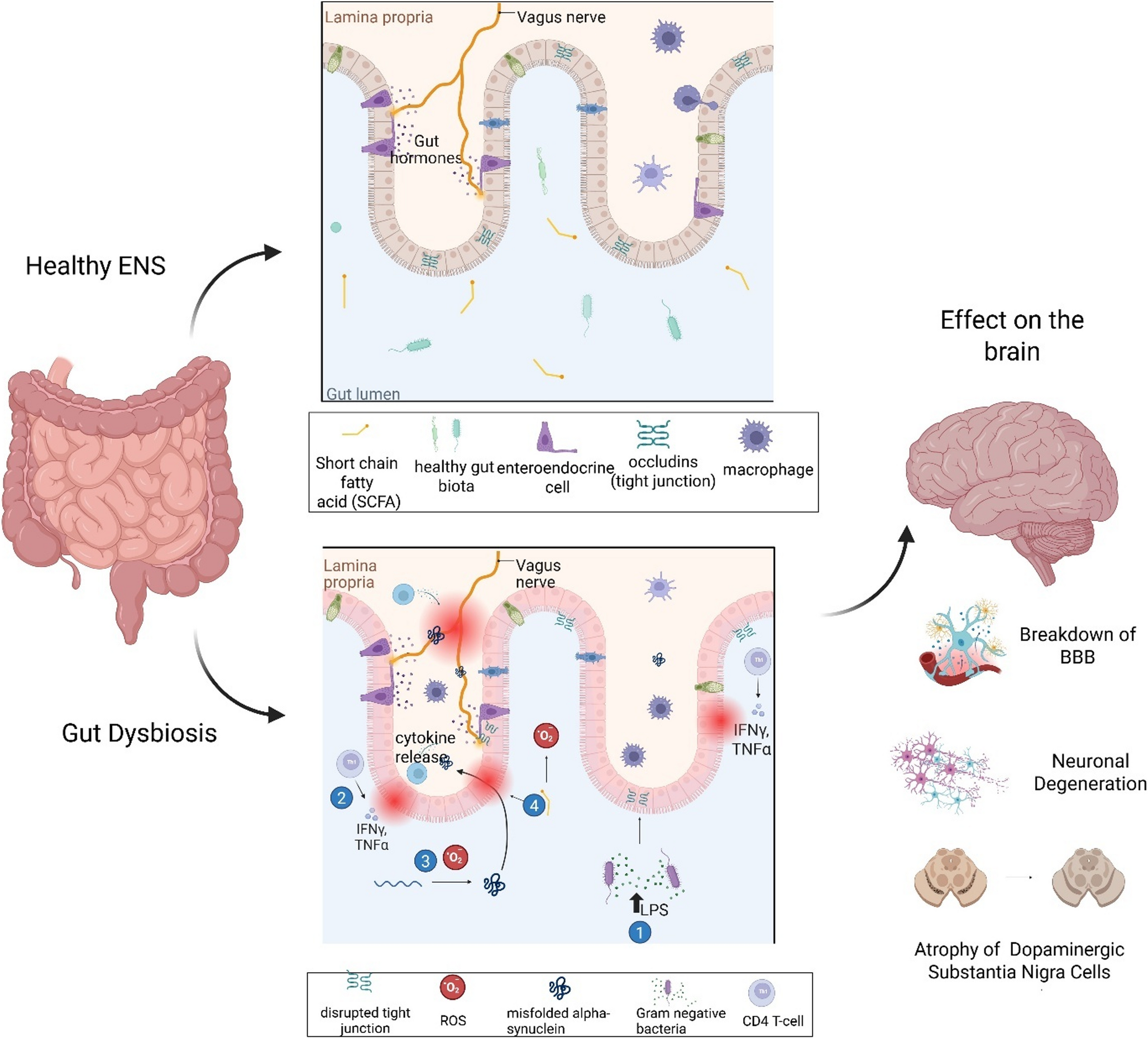
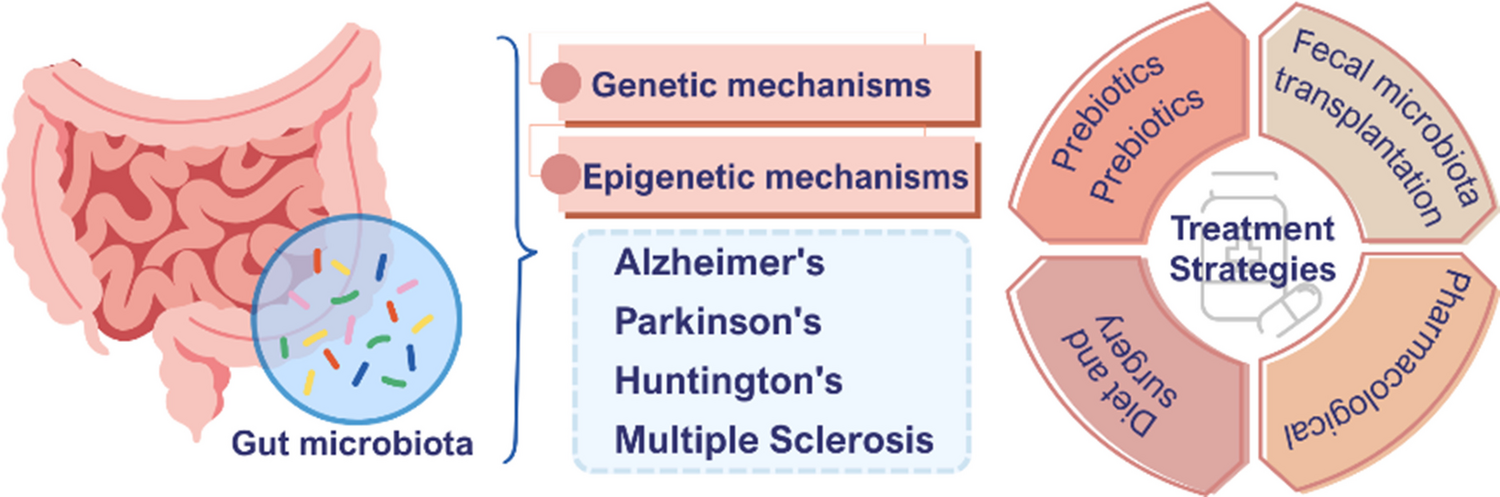
A comprehensive literature search was conducted in PubMed, Scopus, Web of Science, and Google Scholar databases. The search included studies published between 2010 and 2024 using the following keywords: gut microbiota (GM), intestinal microbiota, NDs, Alzheimer’s disease, Parkinson’s disease, Huntington’s disease, MS, genetics, epigenetics, gut–brain axis. Both original research articles and review papers were considered. Wherever possible, priority was given to primary research articles (clinical, in vivo, and mechanistic studies), while review papers were primarily used to provide background context and to identify additional primary sources. Inclusion criteria were: (i) studies published in English, (ii) studies focusing on the role of GM in NDs, and (iii) articles addressing genetic or epigenetic mechanisms. Exclusion criteria were: (i) non-peer-reviewed articles, (ii) conference abstracts without full text, and (iii) studies unrelated to GM or neurodegeneration. This review was designed as a narrative synthesis rather than a formal systematic review. Therefore, no quantitative meta-analysis or standardized risk-of-bias assessment was performed. However, to enhance transparency, we prioritized peer-reviewed articles in high-impact journals and critically evaluated study design, sample size, and relevance to the gut–brain axis. Both preclinical (in vitro and animal) and clinical (observational and interventional) studies were considered. Reference lists of key publications were also screened to identify additional relevant articles that were not captured in the initial database searches.
To improve interpretability and consistency, the included studies were qualitatively categorized according to study type (clinical, animal, or in vitro), disease focus, and primary mechanistic emphasis (genetic, epigenetic, immunological, or metabolic). Greater weight was given to human studies, longitudinal designs, and investigations integrating host and microbiome-related data. Preclinical studies were primarily used to support mechanistic plausibility rather than direct clinical inference. This structured narrative approach was adopted to balance comprehensive coverage with critical evaluation, acknowledging the inherent heterogeneity of microbiome research in neurodegenerative diseases.
Gut microbiota: definition, development, and functionsThe gut microbiota (GM) is a dynamic and complex community of microorganisms residing in the human GIT and living in a symbiotic relationship with the host. The term microbiota broadly encompasses a wide range of microorganisms, including viruses, fungi, bacteria, archaea, and protozoa. These organisms have the potential to influence various aspects of human physiology (Gomaa 2020). The collective genetic material of these microorganisms, together with their environmental interactions, constitutes what is referred to as the microbiota (Clemente et al. 2012).
From an evolutionary perspective, the human GM has co-developed alongside its host. As the host organism matures, the microbiota shapes, and is shaped by, intestinal development at both morphological and immunological levels (Sommer and Bäckhed 2013). Throughout evolution, the microbiota has emerged not only as a determinant of digestive function but also as a fundamental factor influencing host physiology and adaptive capacity (Cunningham et al. 2021).
The embryonic intestine is sterile, but colonization begins immediately after birth through exposure to environmental microorganisms. Factors such as mode of delivery, medication use before and during birth, breastfeeding, environmental conditions, and host genetics play critical roles in shaping this colonization process (Li et al. 2016). Once established, the microbiota remains dynamic, undergoing modifications throughout life in response to lifestyle and environmental influences. Early-life nutrition and exposure to external environments are particularly important, as they affect both the composition and functional capacity of the GM (Cuevas-Sierra et al. 2019).
In healthy individuals, the GM comprises a broad diversity of bacterial species, with Bacteroidetes, Firmicutes, and Proteobacteria being the most prominent phyla (Clemente et al. 2012). Variability in GM composition among individuals is largely attributable to diet, age, genetic background, medication use, and lifestyle, which together contribute to the unique development of each person’s microbiota (Baothman et al. 2016). This individuality highlights the potential of the microbiota to serve as a biomarker of health status.
One of the most critical physiological contributions of the GM is the production of short-chain fatty acids (SCFAs). SCFAs such as butyrate, propionate, and acetate provide energy to intestinal epithelial cells, help preserve intestinal barrier integrity, and reduce inflammation (Flint et al. 2012). Butyrate, in particular, not only fuels epithelial cells but also exerts anti-inflammatory effects and plays central roles in immune regulation and epigenetic modifications (Cuevas-Sierra et al. 2019).
Beyond digestion, the GM is also involved in the production of neurotransmitters, thereby contributing to neural communication. It has been shown to facilitate the synthesis of precursors for neurotransmitters such as serotonin, gamma-aminobutyric acid (GABA), and dopamine (Mu et al. 2016). These metabolites are essential for proper central nervous system (CNS) function and can influence behavioral processes, thereby supporting the link between GM composition and neurological or psychiatric disorders (Sittipo et al. 2022; Xu and Lu 2025).
In addition, the GM plays a vital role in host defense. Beneficial bacteria inhibit the colonization of pathogenic microorganisms by competing for physical niches and suppressing the production of harmful metabolites (Gomaa 2020). The GM also supports mucosal immunity by contributing to immune homeostasis. This is mediated through mechanisms such as the neonatal immune response, activation of regulatory T (Treg) cells, and cytokine production (Li et al. 2016).
Collectively, these functions illustrate that the GM regulates not only gastrointestinal health but also the well-being of other organ systems, particularly the nervous system. Thus, it should be regarded as a multifaceted component essential for maintaining overall human health (Yarandi et al. 2016). An overview of the composition and key functions of the GM, and its links to gastrointestinal and neurological health, is illustrated in Fig. 1.
Fig. 1
Schematic overview of the integrated interactions between host genetics, gut microbiota, and epigenetic regulation. Host genetic susceptibility influences immune signaling, intestinal barrier integrity, and metabolic pathways that collectively shape gut microbial composition. Microbiota-derived metabolites, including short-chain fatty acids, bile acid derivatives, and tryptophan metabolites, modulate epigenetic mechanisms such as histone acetylation, DNA methylation, and non-coding RNA expression. These epigenetic modifications influence neuroinflammation, microglial activation, blood–brain barrier integrity, and downstream neurodegenerative processes
Interaction with genetic and epigenetic mechanismsGM plays a critical role not only in physiological processes such as immunity and digestion but also through its interactions with the host’s genetic and epigenetic architecture. This bidirectional relationship operates as a dynamic balance in which host genetics influence microbiota composition, while the microbiota in turn modulates host gene expression (Goodrich et al. 2016a, b).
Host genetic variability is a major contributor to interindividual differences in gut microbiota composition, function, and ecological stability, and therefore represents a key determinant of why microbiome–disease associations are often heterogeneous across cohorts (Goodrich et al. 2016a, b). Genetic variation can influence microbial colonization patterns through several convergent host pathways, including (i) innate and adaptive immune responsiveness, (ii) mucosal barrier integrity and mucus glycosylation, and (iii) metabolic features that shape nutrient availability in the gut lumen. These host-driven factors alter the selective pressures within the intestinal ecosystem, thereby affecting microbial diversity, metabolite production capacity, and resilience to external perturbations such as diet, antibiotics, and inflammation. Importantly, the same microbial exposure may lead to distinct immune–metabolic outcomes in different individuals depending on their genetic background, which can ultimately contribute to differential susceptibility to chronic inflammation and downstream neurodegenerative processes. Thus, genetic stratification and consideration of host variability are essential for interpreting microbiome signatures and for developing precision microbiome interventions that are both disease- and patient-specific (Kurilshikov et al. 2017).
The interaction between host genetics and the GM begins with the observation that specific genetic variants can directly shape microbial diversity and composition. This finding suggests that interindividual microbial differences are driven not only by environmental factors but also by genetic determinants (Celiker and Kalkan 2020). While genetic architecture can dictate bacterial diversity within the GM, the microbiota reciprocally influences host genetic regulation and epigenetic programming. Studies have shown that genetic variations in immune-related genes may promote the dominance of specific microbial taxa, thereby altering microbial balance. Such genetic effects can modify competitive interactions among microbial populations, enabling certain species to thrive while others decline (Cuevas-Sierra et al. 2019). This genetic–microbiota interplay directly affects physiological processes including immune responses, inflammatory regulation, and mucosal defense. Moreover, host genetic effects on microbiota may interact with epigenetic plasticity, meaning that environmentally induced epigenetic changes can amplify or buffer genetically predisposed immune and barrier phenotypes. This layered interaction provides a plausible explanation for variable clinical trajectories and inconsistent microbiome signatures reported across neurodegenerative disease cohorts. For example, altered expression of immune-regulatory genes may disrupt microbial balance, thereby amplifying inflammatory responses—a mechanism that may underlie the development of autoimmune and other chronic diseases (Montgomery et al. 2020).
Beyond genetic interactions, the GM exerts substantial influence on epigenetic mechanisms. Epigenetic regulation involves heritable modifications in gene expression that occur without altering the underlying DNA sequence. The principal epigenetic regulators include histone modifications, DNA methylation, and small non-coding RNAs. These mechanisms provide a key link between environmental exposures and long-term host physiological outcomes (Fan et al. 2024). Microbial metabolites, particularly short-chain fatty acids (SCFAs), directly modulate these epigenetic regulators. SCFAs alter gene expression in immune and intestinal epithelial cells, thereby exerting broad effects on host physiology (Lin et al. 2015).
Butyrate, in particular, functions as a histone deacetylase (HDAC) inhibitor, thereby increasing histone acetylation. Enhanced acetylation relaxes chromatin structure, facilitating transcriptional activation of specific genes. Consequently, some genes exhibit upregulated expression while others are suppressed, leading to systemic effects on immune responses, inflammatory pathways, and cellular differentiation (Fan et al. 2024). Experimental evidence has shown that butyrate inhibits HDAC activity in human colonic cells by approximately 30%, resulting in a ~ 40% increase in histone H3 acetylation. Similarly, SCFAs have been shown to affect DNA methylation, reducing promoter-region methylation by ~ 15–20% in certain cell lines (Krautkramer et al. 2021). These findings demonstrate that SCFAs not only exert structural but also functional influence at the level of gene regulation.
The epigenetic effects of the microbiota extend to the central nervous system (CNS). Microbial metabolites and cell wall components have been reported to regulate the expression of neurodevelopment-related genes, potentially increasing susceptibility to neurodegenerative and neuropsychiatric disorders (Nohesara et al. 2023). This evidence highlights the possibility that microbiota composition during early developmental stages—childhood and adolescence—may exert long-lasting effects on neurological health. Furthermore, as epigenetic modifications are shaped by environmental conditions and stabilized during early life, they may contribute not only to heightened disease susceptibility but also to the transgenerational reshaping of genetic expression under environmental influence (Celiker and Kalkan 2020).
The gut–brain axis and the role of the microbiota in neurodegenerative diseasesThe gut–brain axis (GBA) constitutes a bidirectional communication network linking the enteric nervous system (ENS), the central nervous system (CNS), and the GM. This axis operates through hormonal, immunological, neural, and metabolic pathways, thereby maintaining systemic homeostasis (Mu et al. 2016). Key elements contributing to the functionality of the GBA include the vagus nerve, the hypothalamic–pituitary–adrenal (HPA) axis, the intestinal epithelial barrier, and metabolites produced by the GM (Quigley 2017). By regulating the synthesis of neuroactive compounds, the GM can directly or indirectly influence brain function. Microbiota-derived short-chain fatty acids (SCFAs), along with neurotransmitters such as dopamine, serotonin, and gamma-aminobutyric acid (GABA), play pivotal roles in this process (Mu et al. 2016). SCFAs also support the integrity of the blood–brain barrier (BBB), thereby reducing neuroinflammation (Hirschberg et al. 2019).
Beyond a simple bidirectional communication pathway, the gut–brain axis represents a complex, multi-system network integrating neural, immune, endocrine, and metabolic signaling routes. Neural communication is mediated primarily through the enteric nervous system and the vagus nerve, enabling rapid transmission of microbial and intestinal signals to central autonomic and limbic brain regions. In parallel, immune pathways link gut microbiota to brain function via cytokine release, microglial priming, and peripheral immune cell trafficking, thereby influencing neuroinflammatory tone (Carabotti et al. 2015).
Endocrine signaling further contributes to gut–brain communication through modulation of the hypothalamic–pituitary–adrenal axis, stress hormone release, and neuroendocrine feedback loops that can, in turn, reshape gut microbial composition. Metabolic pathways constitute an additional layer of integration, as microbiota-derived metabolites such as short-chain fatty acids, bile acid derivatives, and tryptophan metabolites act as systemic signaling molecules capable of influencing blood–brain barrier integrity, epigenetic regulation, and neuronal function. Importantly, these neural, immune, endocrine, and metabolic components do not operate in isolation but form an interconnected regulatory network, through which alterations in gut microbial ecology may exert pleiotropic effects on central nervous system homeostasis and vulnerability to neurodegenerative processes (Woo and Alenghat 2022). These disease-specific and shared microbiota-driven mechanisms along the gut–brain axis are summarized in Fig. 2. Specifically, the right panel highlights how dysbiosis-driven inflammatory cues and metabolite shifts (e.g., reduced SCFAs) can converge on barrier dysfunction and neuroinflammation in a disease-specific manner.
Fig. 2
Role of the gut microbiota in neurodegenerative diseases
The left panel depicts the bidirectional communication between the GM and the brain via the vagus nerve, forming the gut–brain axis. The right panel summarizes microbiota-related mechanisms implicated in major neurodegenerative diseases. In Alzheimer’s disease, gut dysbiosis is associated with increased intestinal permeability and systemic inflammation, and microbiota-derived metabolites may modulate neuroinflammatory and Aβ-related pathways, contributing to plaque burden in preclinical models. In Parkinson’s disease, dysbiosis-associated endotoxins and altered microbial metabolites (e.g., reduced SCFA availability) may amplify immune activation and barrier dysfunction, facilitating neuroinflammatory signaling that contributes to dopaminergic neuron vulnerability and motor impairments. In Huntington’s disease, GM imbalance and increased intestinal permeability provoke neuroinflammation. In MS, specific bacterial taxa (such as Bacteroides fragilis) stimulate immune-related pathways and disturb the Th17/Treg balance, contributing to disease progression.
From a pathophysiological perspective, the contribution of the gut microbiota to neurodegenerative diseases can be conceptualized across three partially overlapping stages: initiation, disease amplification, and progression (Ryman et al. 2023). In the initiation stage, microbiota-related factors may increase vulnerability through chronic low-grade inflammation, impaired intestinal barrier integrity, altered immune priming, and changes in neuroactive and epigenetically active metabolites. During disease amplification, gut-derived inflammatory mediators and metabolic signals can reinforce neuroinflammatory cascades, microglial activation, and blood–brain barrier dysfunction, thereby potentiating disease-relevant molecular pathways (e.g., protein misfolding and aggregation, synaptic impairment). In the progression stage, microbiota alterations may further modulate symptom severity and trajectory through sustained immune–metabolic dysregulation, medication–microbiome interactions, and reduced resilience of microbial ecosystems. Importantly, the relative contribution of these stages may differ by disorder (AD, PD, MS, HD) and by individual patient characteristics, which provides a mechanistic explanation for heterogeneous microbiome signatures and variable therapeutic responses (Loh et al. 2024).
The vagus nerve provides a direct signaling route between the gut and the brain and is highly sensitive to alterations in microbial composition. Microbial components and metabolites activate vagal afferent fibers, transmitting signals to the CNS (Quigley 2017). These signals influence emotional states, cognitive function, and anxiety-related behaviors. Disruptions in the microbiota may increase systemic inflammation and intestinal permeability, a phenomenon often referred to as “leaky gut.” Elevated proinflammatory cytokines entering circulation can activate microglia within the brain, thereby contributing to neuroinflammation (Hirschberg et al. 2019).
Alzheimer’s diseaseThe role of the GM in Alzheimer’s disease (AD) has been extensively investigated in experimental models. Studies in germ-free (GF) mice have shown reduced β-amyloid (Aβ) accumulation compared to conventionally colonized mice, suggesting that the microbiota contributes to Aβ plaque formation (Sun et al. 2021). Furthermore, fecal microbiota transplantation (FMT) from AD patients into healthy mice has resulted in cognitive impairments and increased plaque deposition in the recipient animals (Zhu et al. 2022). Similar findings have shown that dysbiotic mice exhibit higher levels of Aβ plaque formation, whereas mice with healthy microbiota display reduced accumulation (Sun et al. 2021). Transplantation of the microbiota from 16-month-old APP/PS1 transgenic mice into 3-month-old recipients significantly increased Aβ deposition in the latter, while FMT from AD patients likewise impaired cognition and enhanced plaque burden in healthy mice (Zhu et al. 2022). Collectively, these studies indicate that the GM contributes not only to neuroinflammation but also directly to pathological Aβ formation (Sun et al. 2021).
Despite growing evidence linking gut microbiota alterations to Alzheimer’s disease, the current literature remains heterogeneous and largely associative. While several studies consistently report reduced abundance of short-chain fatty acid–producing taxa and increased pro-inflammatory microbial signatures in AD cohorts, other investigations fail to detect robust disease-specific microbiota patterns, particularly after adjustment for age, diet, medication use, and gastrointestinal comorbidities. These discrepancies likely reflect methodological variability, including differences in sequencing platforms (16S rRNA vs. shotgun metagenomics), cohort size, disease stage, and control of confounding factors such as constipation and polypharmacy (Li et al. 2024).
Mechanistic insights are predominantly derived from transgenic and germ-free animal models, which have been instrumental in demonstrating potential links between microbial metabolites, neuroinflammation, and amyloid-related pathways. However, these models incompletely recapitulate the complexity and temporal progression of sporadic human Alzheimer’s disease, limiting direct translational inference. Importantly, evidence supporting a causal role of microbiota-derived signals in amyloid-β pathology in humans remains indirect, and longitudinal data assessing whether microbiota changes precede cognitive decline are scarce (Chandra et al. 2023).
Collectively, these findings suggest that gut microbiota alterations in AD are best interpreted as components of a multifactorial disease network rather than isolated drivers of pathology. Future studies integrating longitudinal sampling, host genetic and epigenetic profiling, and standardized microbiome methodologies will be essential to clarify causality and identify patient subgroups most likely to benefit from microbiome-targeted interventions. In AD, microbiota alterations are most often discussed as modulators of inflammatory and metabolic pathways that may influence amyloid- and tau-related processes, particularly during early-to-mid disease phases. From a genetic and epigenetic perspective, host variability in immune-related and metabolic regulatory pathways may modulate how microbiota-derived signals influence amyloid-related processes. Epigenetic mechanisms, including histone modifications and DNA methylation changes induced by microbial metabolites, may therefore act as intermediaries linking genetic susceptibility to inflammation-driven amyloid pathology in Alzheimer’s disease (Woo and Alenghat 2022).
Parkinson’s diseaseBeyond AD, increasing evidence also implicates the GM in Parkinson’s disease (PD). The observation that gastrointestinal symptoms precede motor dysfunction supports the hypothesis that PD pathology may originate in the gut (Sun et al. 2021). Studies have documented reduced microbial diversity in PD patients, characterized by decreased anti-inflammatory taxa and increased pro-inflammatory species (Aho et al. 2019; Hill-Burns et al. 2017; Hirschberg et al. 2019; Scheperjans et al. 2015). Microbiota-derived endotoxins and inflammatory signals may propagate to the brain via the vagus nerve, leading to dopaminergic neuronal injury. Experimental data support this, as FMT from PD patients into mice induced motor impairments and neuronal loss, whereas FMT from healthy donors maintained motor function (Nohesara et al. 2023; Sampson et al. 2016; Sun et al. 2021). Moreover, antibiotic treatment in α-synuclein-overexpressing mice improved motor performance and reduced neurodegeneration in the substantia nigra (Wei et al. 2022). These findings underscore the contribution of GM alterations to PD pathogenesis and the progression of neurodegeneration (Sun et al. 2021; Wei et al. 2022).
Multiple primary human studies have consistently reported PD-associated microbiome alterations, supporting a robust clinical signal compared with several other neurodegenerative disorders. Early case–control work linked the relative abundance of Enterobacteriaceae to postural instability and gait difficulty, suggesting an association between gut microbial composition and motor phenotype. Subsequent cohort studies further indicated that PD status and medication exposure show distinct microbial signatures, emphasizing the need to account for pharmacological and gastrointestinal confounders in microbiome analyses. In addition, metagenomic investigations in early-stage or medication-naïve PD have reported functional shifts related to microbial metabolism and barrier/immune interactions, strengthening the plausibility of microbiota-driven mechanisms in PD pathophysiology (Bedarf et al. 2017).
The association between gut microbiota alterations and Parkinson’s disease is supported by a substantial and growing body of evidence; however, important limitations constrain the interpretation of these findings. Several studies consistently report reduced levels of short-chain fatty acid–producing bacteria and increased abundance of pro-inflammatory taxa in PD patients, yet the specific microbial signatures vary considerably across cohorts. Differences in disease duration, motor versus non-motor symptom dominance, dietary patterns, and geographical background likely contribute to this variability. Moreover, gastrointestinal dysfunction, particularly constipation, represents a major confounding factor that is inconsistently controlled across studies (Nishiwaki et al. 2020).
Mechanistic hypotheses linking gut dysbiosis to α-synuclein aggregation and neuroinflammation are largely derived from animal models, including α-synuclein–overexpressing mice and fecal microbiota transplantation experiments (Sampson et al. 2016). While these models provide compelling support for a gut–brain signaling axis, they cannot fully capture the heterogeneity and multifactorial nature of idiopathic Parkinson’s disease in humans. In addition, the widespread use of dopaminergic and anticholinergic medications further complicates causal inference, as these treatments themselves can alter gut microbial composition. Importantly, whether microbiota alterations represent an initiating factor in PD pathogenesis or arise as a consequence of prodromal autonomic dysfunction remains unresolved. Longitudinal studies in at-risk populations, combined with integrative analyses incorporating host genetics, epigenetic regulation, and microbial metabolomics, will be critical to disentangle causality and identify mechanistically relevant microbiome-based therapeutic targets. Notably, in PD, microbiota-related signals may be particularly relevant at prodromal stages, given early gastrointestinal dysfunction and autonomic alterations. Importantly, genetic susceptibility affecting immune regulation and lysosomal function may shape individual responses to microbiota-derived inflammatory and metabolic cues in Parkinson’s disease. Microbiota-driven epigenetic modulation of genes involved in neuroinflammation and α-synuclein handling may therefore contribute to interindividual variability in disease onset, progression, and response to gut-targeted interventions (Woo and Alenghat 2022).
Huntington’s diseaseThe gut–brain connection also warrants attention in Huntington’s disease (HD) and other genetically determined neurodegenerative disorders, where emerging evidence suggests that microbiota-driven mechanisms may intersect with host genetic vulnerabilities (Ekwudo et al.
Comments (0)