Antidiabetic Activity of L. Root Fractions in Streptozotocin-Induced Diabetic Rats and Activity-Guided Phytochemical Correlation
Purpose
Several Asparagus species are traditionally used in the management of diabetes mellitus; however, the antidiabetic potential of Asparagus aethiopicus L. roots has not been systematically evaluated. This study evaluated the antidiabetic activity of A. aethiopicus root fractions in streptozotocin (STZ)-induced diabetic rats. It also examined the relationship between in vivo effects and major phytochemical constituents using activity-guided fractionation and supportive in silico analysis.
Methods
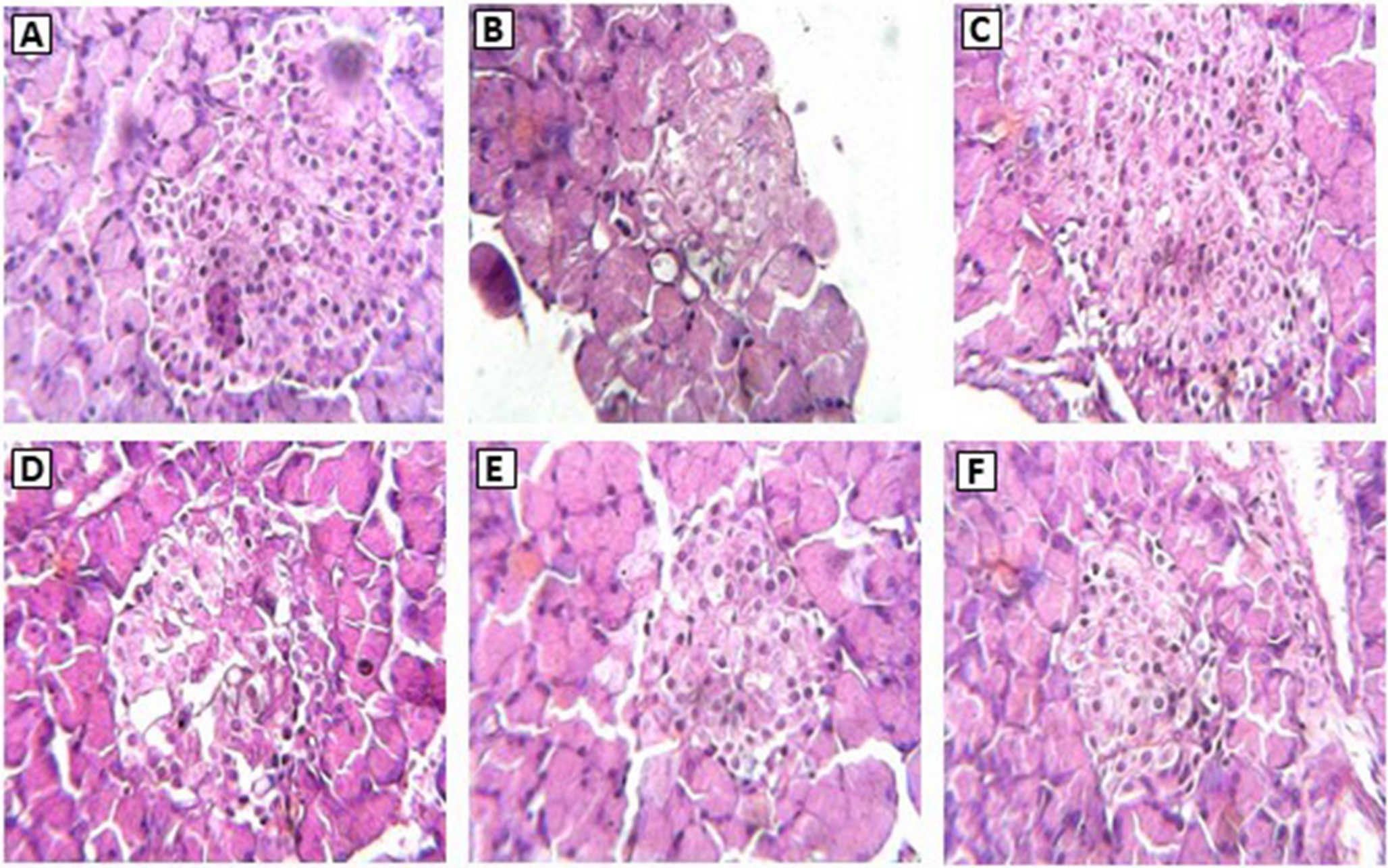
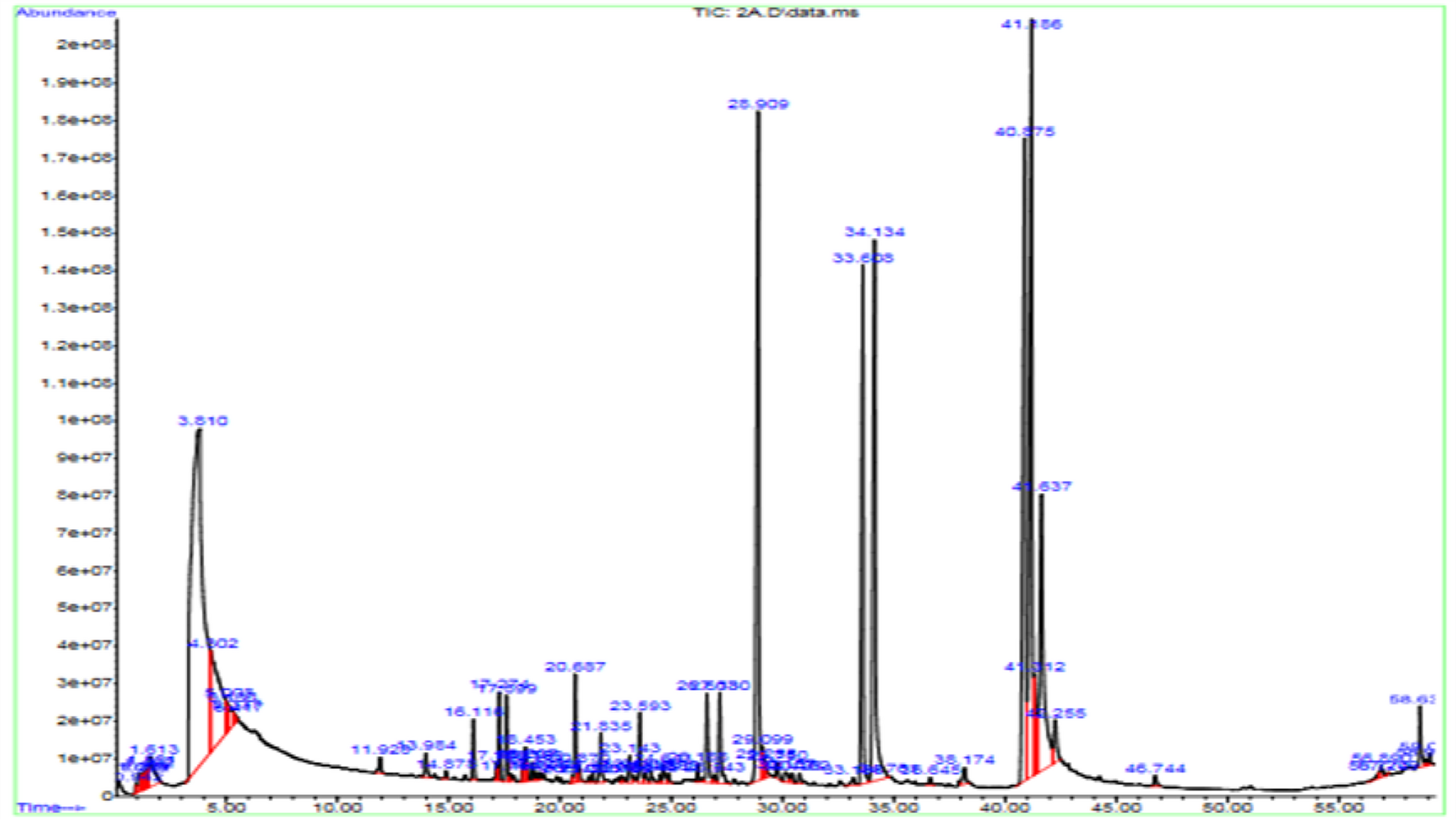
Diabetes was induced in Wistar rats by a single intraperitoneal injection of STZ (55 mg/kg). Diabetic animals were treated orally with chloroform (CEAA), ethanol (EEAA), and aqueous (AEAA) fractions obtained by successive extraction of A. aethiopicus roots (500 mg/kg) for 21 days. Blood glucose levels, body weight, lipid profile, and liver function parameters were assessed. Pancreatic tissue was examined histologically to evaluate islet architecture and cellular organization. The most active fraction (EEAA) was subjected to column chromatographic separation and spectroscopic characterization (UV, FTIR, ¹H and ¹³C NMR, LC-MS). Molecular docking was performed using the Schrödinger Maestro suite (Glide XP) with glucose transporter-1 (GLUT1) and peroxisome proliferator-activated receptor gamma (PPAR-γ) as representative diabetes-relevant targets.
Results
EEAA produced a significant reduction in blood glucose levels (44.5%, P < 0.001) and was associated with improvement in lipid profile and liver enzyme parameters compared with diabetic controls. Histopathological examination revealed improved preservation of pancreatic islet architecture and cellular density in treated animals. Activity-guided fractionation of EEAA yielded two major flavonoids, identified as rutin and quercetin based on spectroscopic consistency with literature data. In silico docking demonstrated energetically favourable binding interactions of both compounds with GLUT1 and PPAR-γ, with rutin showing lower docking scores.
Conclusion
A. aethiopicus root fractions exhibit significant antidiabetic activity in an STZ-induced rat model. The observed effects may be associated with the presence of flavonoids such as rutin and quercetin, which showed supportive molecular interactions with diabetes-relevant targets in silico. These findings provide pharmacological support for the traditional use of Asparagus species and suggest A. aethiopicus as a promising candidate for further investigation in diabetes management.

Comments (0)