Oral Melatonin for Pain Relief During Venepuncture in Neonates– a Pilot Randomized Control Trial
Purpose
This study aims to compare the analgesic efficacy of oral melatonin with placebo in neonates during venepuncture.
Methods
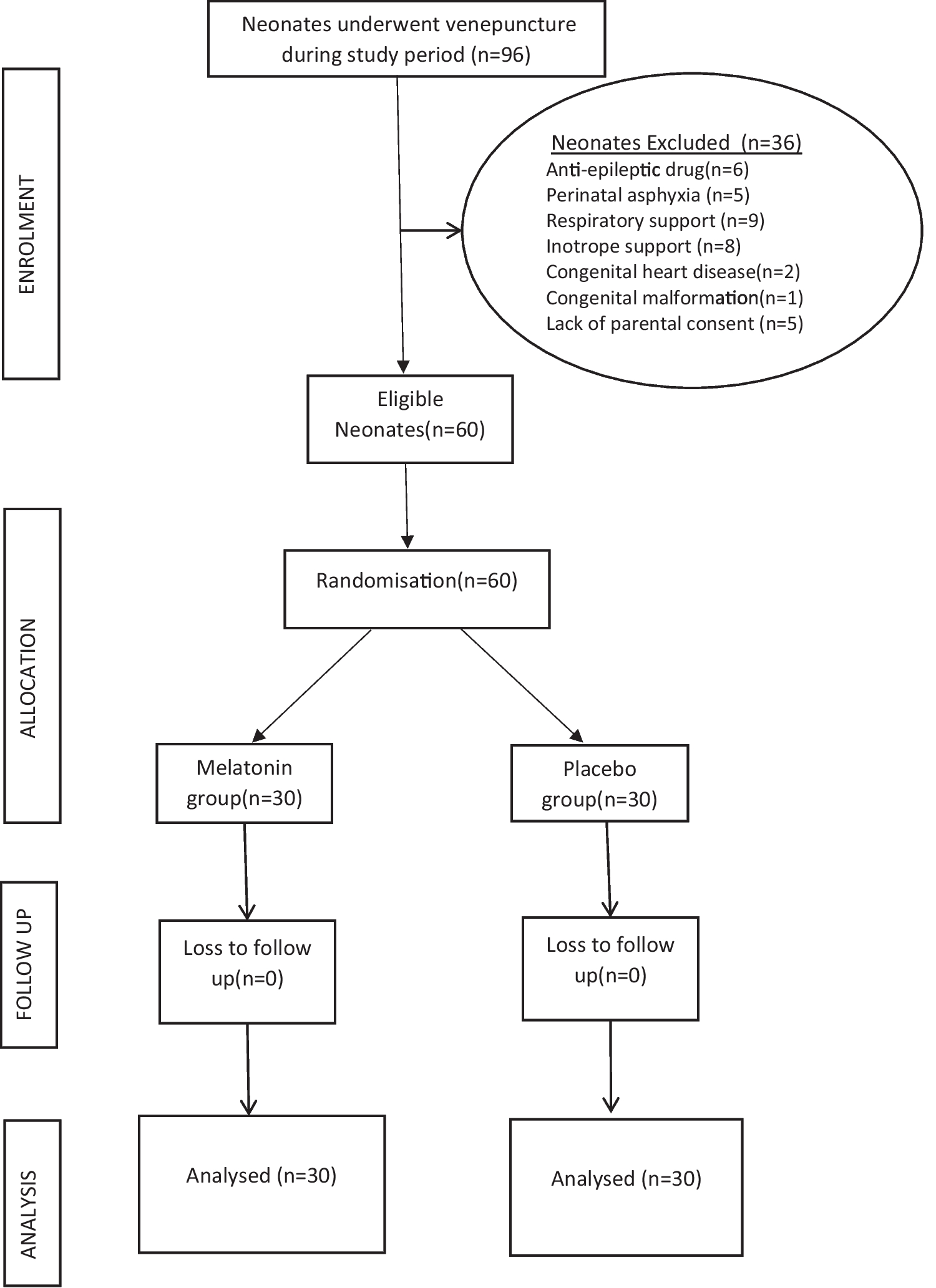
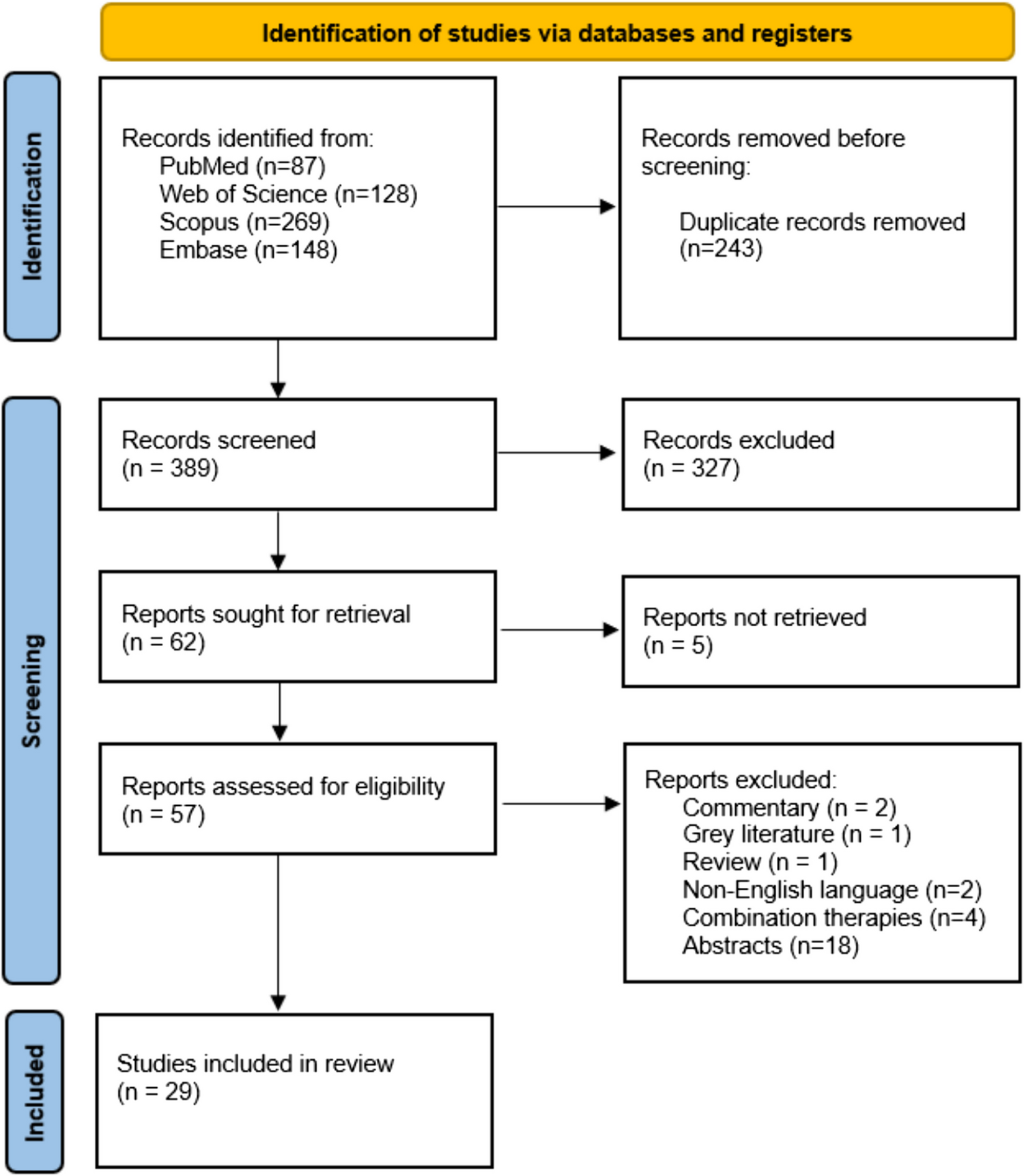
This open-level, pilot randomized controlled trial was conducted in a tertiary care neonatal unit. Sixty eligible, non-sick neonates (gestational age ≥ 34 weeks) scheduled for venepuncture were randomized into the melatonin group (MG, n = 30) and the placebo group (PG, n = 30). MG received oral melatonin (1 mg/kg), and PG received 2 ml of normal saline. Pain intensity was measured by the Premature Infant Pain Profile-Revised (PIPP-R) during the procedure and at 1 min and 2 min post-procedure. Scores were compared between both groups using the Mann–Whitney U test, and the effect size was calculated with the rank-biserial correlation coefficient.
Results
The demographic characteristics were comparable between the two groups. The median (Q1-Q3) PIPP-R score in MG and PG during the procedure was 10 (9–10) and 13 (12–14), respectively, r = 0.8, p < 0.001; at 1 min [3 (2–3) and 5.5 (4–7)], r = 0.69, p < 0.001; and at 2 min [0 (0–0) and 1 (0–2)], r = 0.3, p = 0.003. Melatonin improved autonomic stability during (lower heart rates and higher oxygen saturation) and after venepuncture (higher oxygen saturation). Although procedural facial expressions were similar, fewer neonates in the melatonin group showed pain-related facial cues post-procedure compared to placebo. No significant adverse effect was noted in either group.
Conclusion
Oral melatonin showed autonomic modulation and reduced PIPP-R scores in neonates during venepuncture compared to placebo, with no adverse effects, supporting its use as an analgesic.
Clinical trial registry of India
(CTRI) number- CTRI/2023/07/055046 on dated 11.07.2023.

Comments (0)