
Remember me
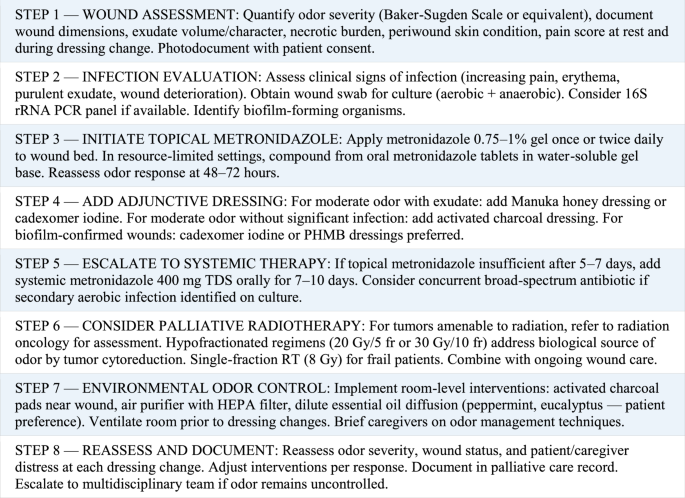
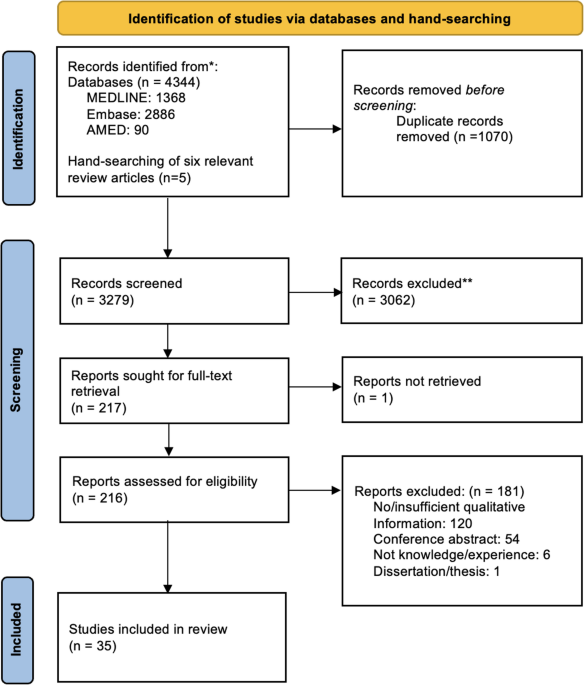
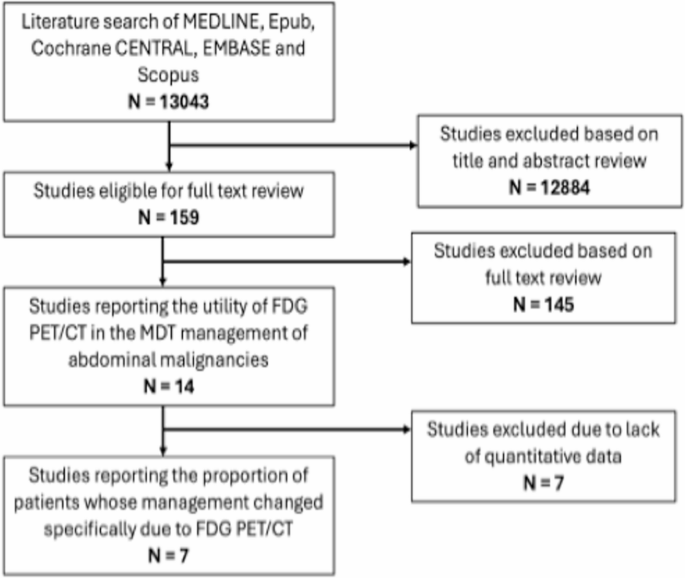
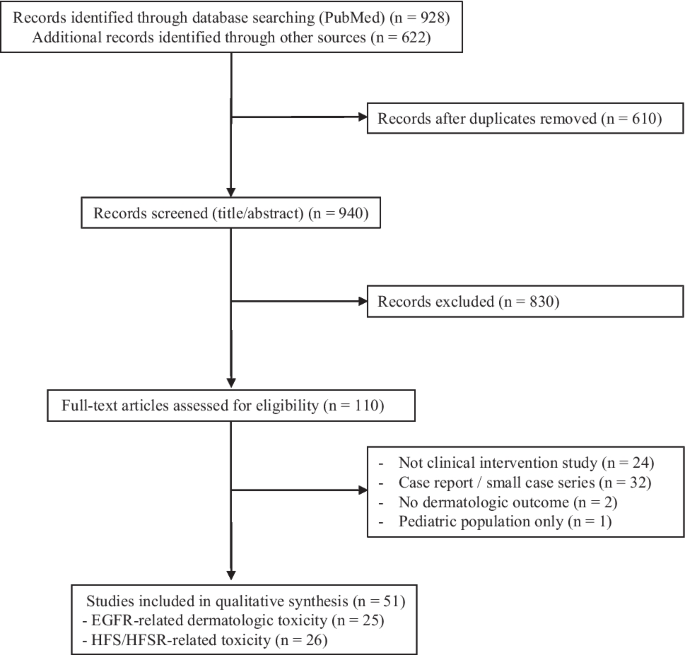
A total of 4344 records were retrieved from the database searches, of which 3279 were unique. After screening titles and abstracts, 3062 records were excluded, leaving 212 for full-text review. Of these, 182 were excluded, resulting in 30 eligible articles. The database searches also revealed six relevant review articles which were hand-searched systematically to identify an additional five eligible articles. Thus, a total of 35 articles are included in this systematic review [36,37,38,39,40,41,42,43,44,45,46,47,48,49,50,51,52,53,54,55,56,57,58,59,60,61,62,63,64,65,66,67,68,69,70] as seen in Fig. 1.
Fig. 1 The alternative text for this image may have been generated using AI.
PRISMA Flow Chart of Study Selection Process [26]
Characteristics of Included StudiesAs shown in Supplementary Table 1 and Supplementary Table 2, eligible articles were published between 1996 and 2023. The largest number of studies originated from Canada (n = 11), followed by Germany (n = 7), and then Australia (n = 4). The studies predominantly focused on the knowledge and experiences of physicians counseling about CAIM in general (n = 21), although some focused on lifestyle (diet and exercise) therapies (n = 10), cannabis (n = 2), self-help groups (n = 1), and non-pharmacological interventions (n = 1). The most common research method used were qualitative interviews (n = 25). Nineteen studies focused exclusively on physicians, while 16 studies included multiple health professionals and the extracted findings were limited only to physicians. Most physicians were oncologists (n = 19) and general/family practitioners (n = 12), but other specialties were also represented such as hematologists, palliative care physicians, and internal medicine physicians.
Results from Quality AssessmentAll 35 articles were included in the review regardless of their quality ratings, presented in Table 1. Three studies scored 11/12 possible ‘yes’ responses, 9 studies scored 10/12 possible ‘yes’ responses, 9 studies scored 9/12 possible ‘yes’ responses, 7 studies scored 8/12 possible ‘yes’ responses, 6 studies scored 7/12 ‘yes’ responses, and 1 study scored 6/12 ‘yes’ responses. Common potential sources of bias were that included studies were not clear about the relationship between the researcher and the participants, and they did not discuss whether or how their findings could be transferred to other populations or considered in other research.
Table 1 Critical Appraisal Skills Programme (CASP) qualitative research checklist quality appraisal of included studies (N = 35)Findings From Thematic AnalysisFour main themes were identified from our analysis and are described below. Representative quotes for each theme and sub-theme are displayed in Table 2.
Table 2 Themes, Subthemes, and Representative Quotes from Included Qualitative Studies on Physicians’ Knowledge and Experiences Counselling on Complementary, Alternative, and Integrative Medicine (CAIM) in Cancer CareTheme 1: Lack of CAIM Knowledge & Formal TrainingIn 28 out of the 35 included studies, physicians suggested a lack of CAIM knowledge and formal training [36, 38,39,40,41,42, 44, 46, 47, 49,50,51,52, 54,55,56,57,58,59,60,61,62, 64, 65, 67,68,69,70]. Within this theme, the following sub-themes were identified: physician lack of confidence in CAIM counseling, need for credible and formal sources of CAIM information, and CAIM being outside of physician’s scope of practice.
Sub-theme 1.1: Physicians’ Lack of Confidence in CAIM CounselingThe majority of studies concluded that physicians feel uncertain and skeptical about the topic of CAIM, and accordingly, lack confidence when counselling patients with cancer on the subject. This uncertainty stems from physicians’ perceptions of insufficient knowledge about CAIM [38, 44, 46, 47, 51, 53,54,55,56,57,58,59,60, 62, 65, 67,68,69,70]. Some physicians were also fearful that CAIM may interact negatively and interfere with conventional medicine [42, 58, 68]; however, studies also highlighted that physicians have limited understanding of the potential side effects associated with CAIM [38, 55, 68]. Additionally, several articles suggested that there is a shortage training on CAIM consultation which prevents physicians from becoming more familiar with CAIM. [38, 40, 41, 44, 52, 60, 64, 65, 67,68,69,70].
Sub-theme 1.2: Demand for Credible and Formal Sources of CAIM InformationPhysicians voiced the necessity for implementing standardized CAIM education and training across institutions [37, 40, 42, 44, 47, 51, 67]. For additional effectiveness, the education should cover both practical and clinical aspects of CAIM consultation [
Comments (0)