
Remember me

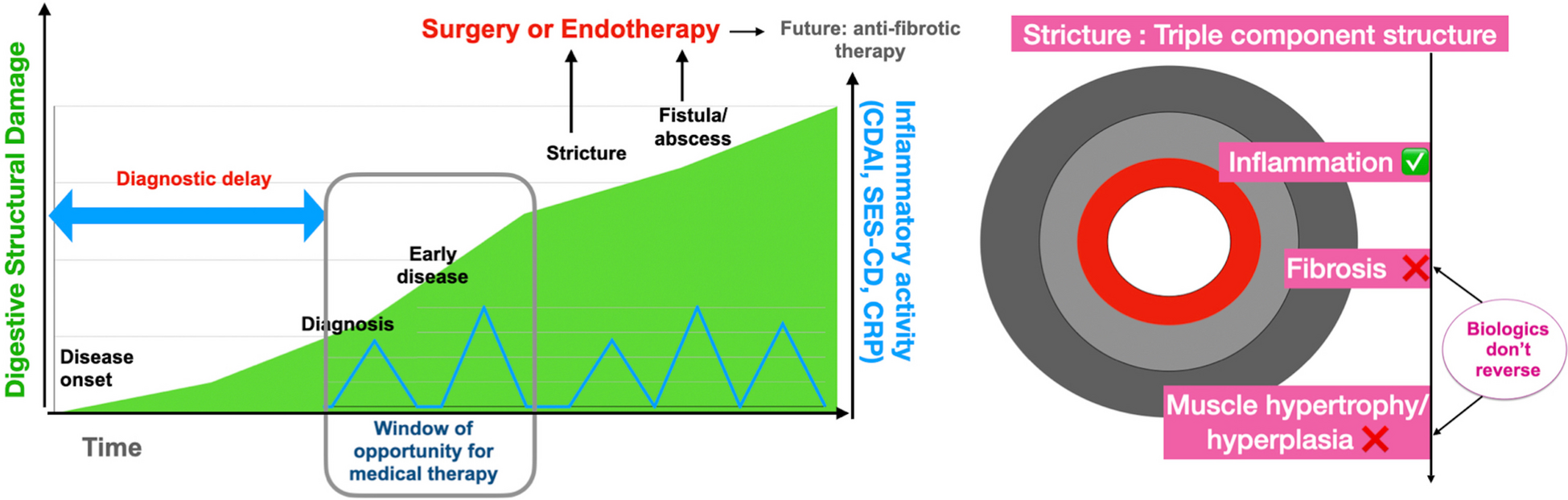
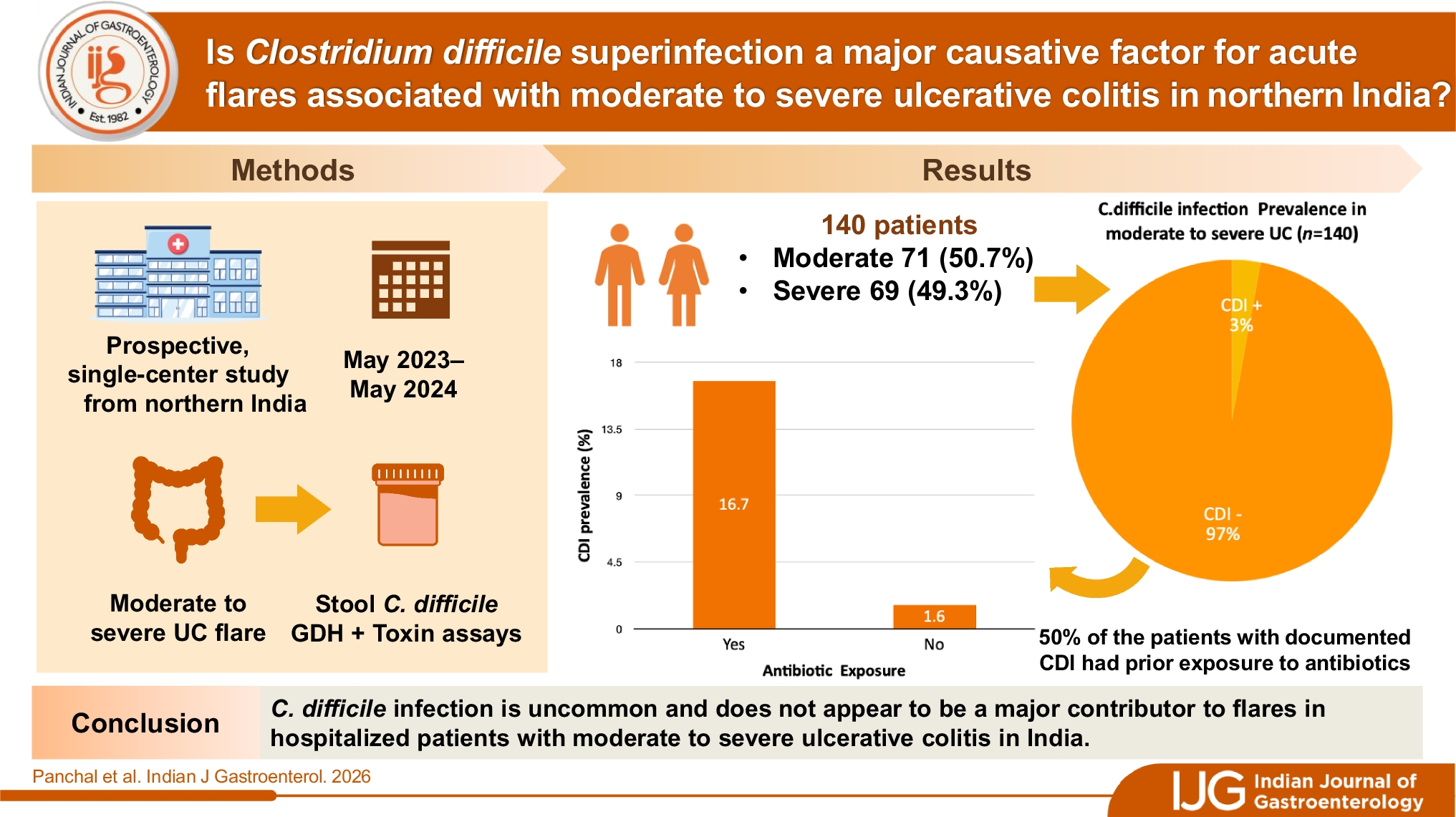
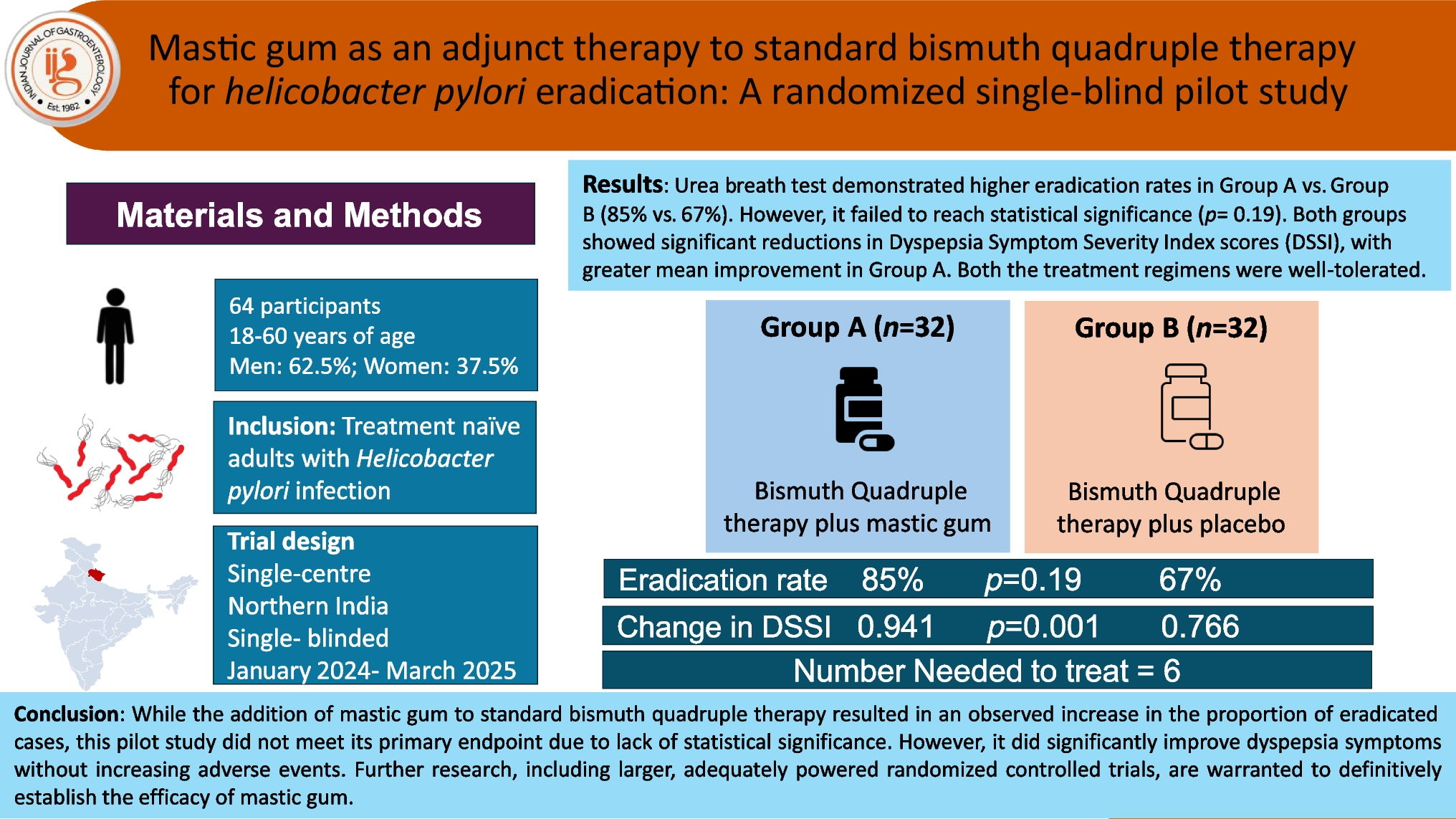
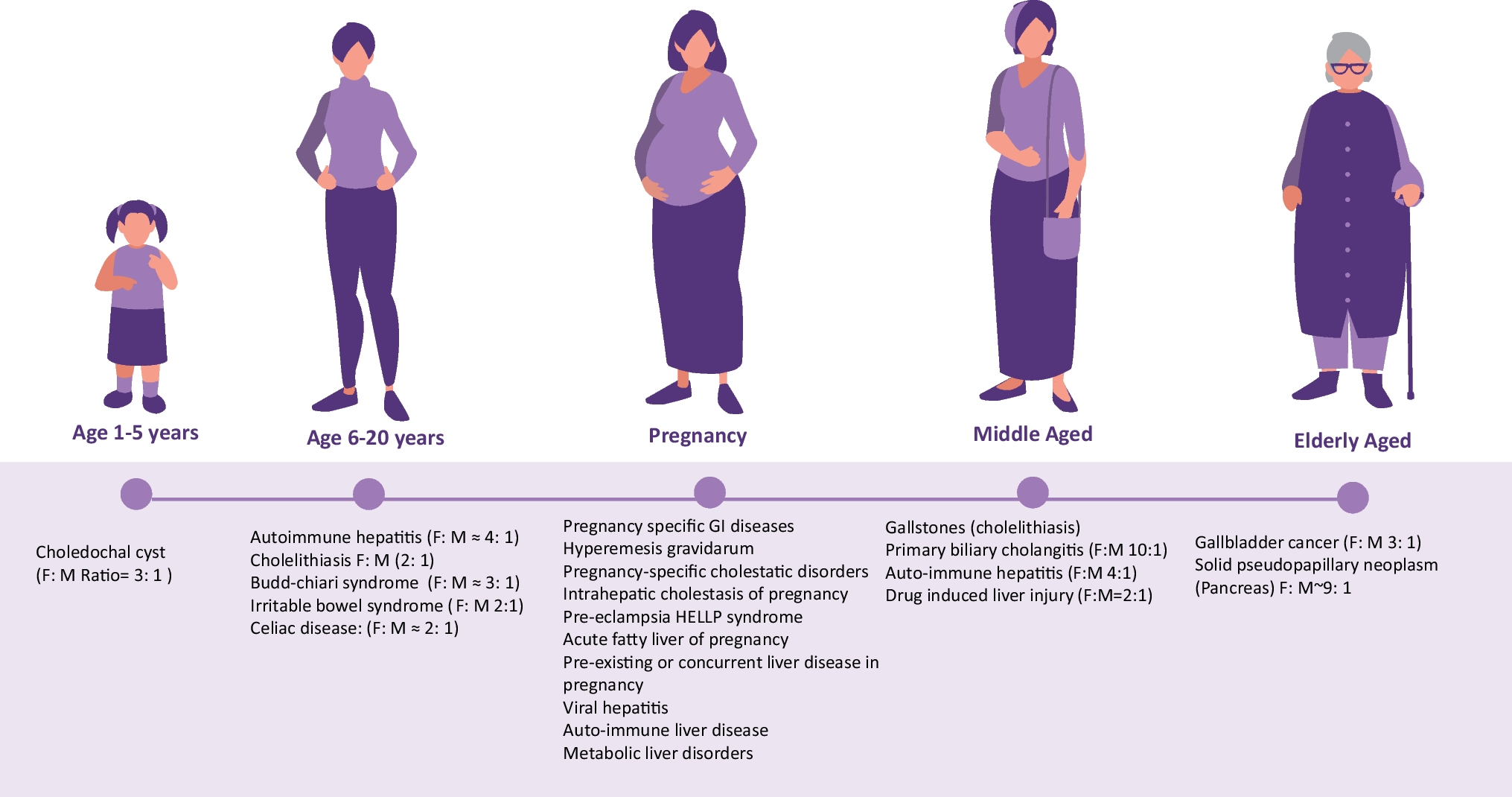
The present issue compiles focused, clinically relevant reviews that address the unique spectrum of gastrointestinal and hepatological disorders affecting women across the lifespan. The themes span pregnancy and inflammatory bowel disease (IBD) [1], infections [2], gastrointestinal cancers in women, metabolic syndrome and its outcomes [3], vascular liver diseases unique to or predominant in women and the evolving understanding of gut-brain interactions during pregnancy (Fig. 1).
Fig. 1
Temporal patterns of gastrointestinal disorders across the lifespan of women. HELLP hemolysis, elevated liver enzymes and low platelet count
Pregnancy represents a dynamic physiological state marked by profound hormonal, metabolic and immunological changes. These changes influence gastrointestinal motility [4], immune tolerance and vascular regulation, often unmasking or modifying underlying disease. Common GI symptoms in pregnancy—nausea, vomiting, constipation, hemorrhoids and even irritable bowel syndrome (IBS)—reflect a complex interplay between hormonal fluctuations, altered motility, visceral hypersensitivity and psycho-social stressors. Understanding these interactions is critical to distinguishing physiological adaptation from pathological disease [5].
Inflammatory bowel disease in women requires careful consideration across reproductive stages. Active IBD at conception is associated with higher risks of miscarriage, pre-term birth and low birth weight, whereas disease remission significantly improves maternal and fetal outcomes [1]. These observations underscore the importance of pre-conception counselling, medication optimization and coordinated care between gastroenterologists and obstetric teams [6]. The issue reviews evidence-based strategies for managing IBD during pregnancy, including drug safety profiles and monitoring approaches.
Portal hypertension during pregnancy presents additional challenges. The risks of variceal bleeding, hepatic decompensation and maternal-fetal complications necessitate vigilant surveillance and multi-disciplinary planning [7]. The safety, timing and technical considerations of endoscopic interventions in pregnant patients are critically examined, offering practical guidance for clinicians navigating high-risk scenarios [8].
Pregnancy-specific liver disorders remain an important focus [9]. Intra-hepatic cholestasis of pregnancy, vascular liver diseases [7] and acute fatty liver of pregnancy carry substantial maternal and fetal morbidity [10]. Early recognition and timely intervention are essential to improving outcomes. Updated perspectives on acute viral hepatitis in pregnancy and strategies to prevent mother-to-child transmission of hepatitis B are also included [9], reinforcing the importance of screening, immunoprophylaxis and coordinated public health efforts [11].
Beyond pregnancy, this issue examines metabolic syndrome and its hepatic consequences in women. Reproductive health disorders such as polycystic ovarian syndrome are closely linked with insulin resistance, metabolic syndrome and metabolic dysfunction-associated steatotic liver disease (MASLD). During menopause, declining estrogen levels contribute to central adiposity, dyslipidemia and increased cardio-metabolic risk, further amplifying the burden of fatty liver disease. These metabolic transitions highlight the need for life stage-specific screening and prevention strategies [3].
Autoimmune liver diseases—including autoimmune hepatitis and primary biliary cholangitis—disproportionately affect women, reflecting sex-based differences in immune regulation. Hormonal influences and genetic susceptibility shape disease expression and progression, with pregnancy often altering disease activity. Functional gastrointestinal disorders such as IBS are also more prevalent in women and frequently fluctuate with menstrual cycles and hormonal shifts, underscoring the biological underpinnings of symptom variability. Women also require special considerations during endoscopic procedures to investigate diseases related to reproductive health [12, 13].
Gastrointestinal cancers in women warrant focused attention. Differences in tumor biology, screening uptake, socio-cultural determinants and access to care influence outcomes [14]. The issue also addresses malignancies arising after liver transplantation [15], emphasizing the need for gender-sensitive surveillance strategies and equitable access to advanced therapies [16].
An emerging concern explored in this issue is substance use disorder among younger women and its impact on liver health [17]. Substance use in women is often under-reported and may carry distinct biological and psycho-social implications. Addressing this growing challenge requires sensitive screening approaches and integrated models of care [18].
Comments (0)