
Remember me
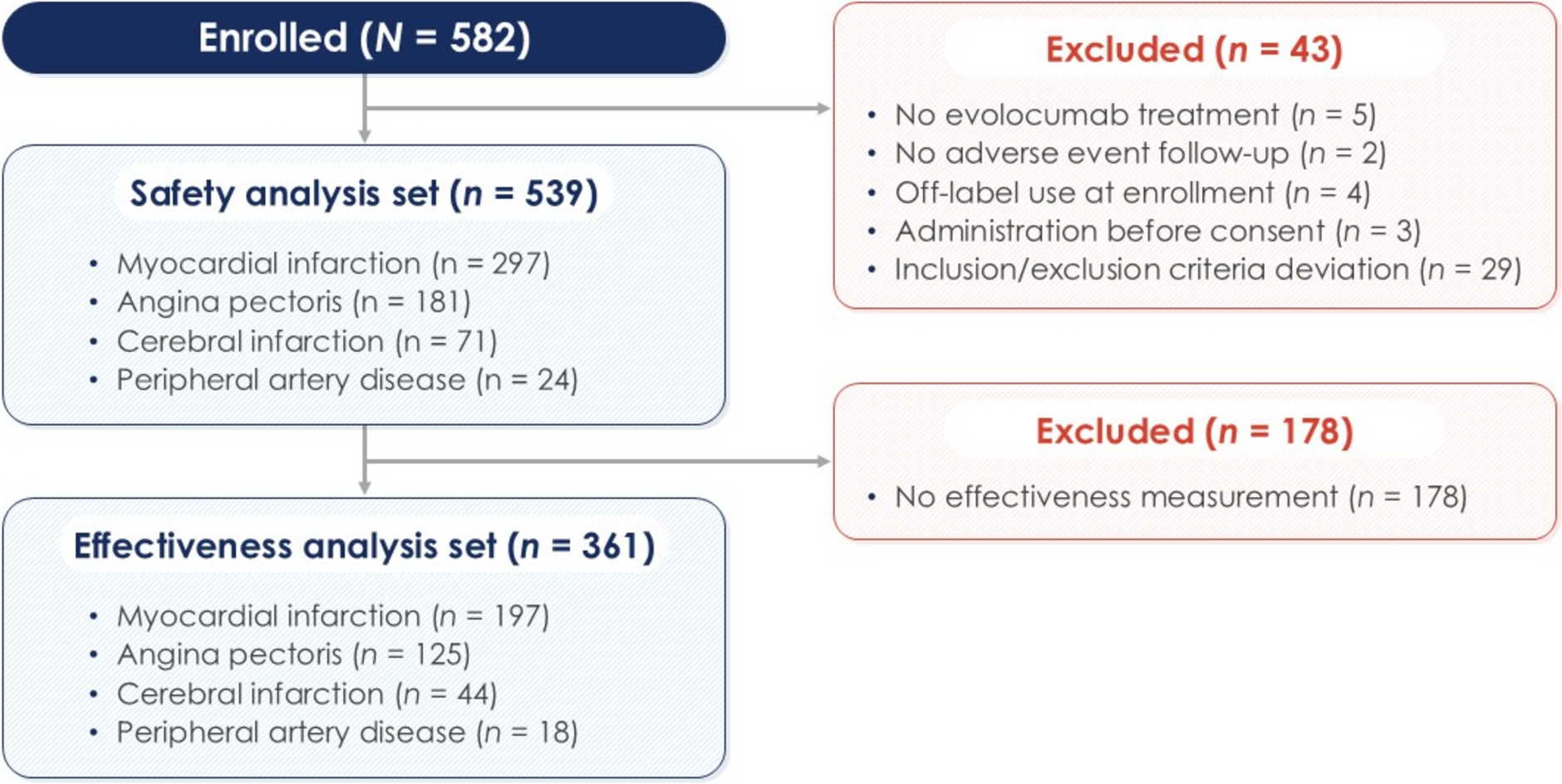

Of 775,816 patients identified in the Truveta EHR as having a PCI procedure, a total of 2794 Impella- and 1884 IABP-supported patients met all inclusion criteria prior to PSM (Fig. 1). Before matching, patients supported with Impella were older than patients supported with IABP (mean age 72.9 vs. 68.5 years), more often male (71.7% vs. 67.6%), and had more prior comorbidities, such as CHF (48.6% vs. 23.7%), insulin-dependent diabetes (19.7% vs. 13.0%), HFrEF (43.0% vs. 18.7%), and AMI-NSTEMI (34.2% vs. 16.2%). Patients supported with Impella also had more clinical conditions reported at admission, such as CAD (58.6% vs. 50.8%), CKD (18.5% vs. 13.7%), and cardiomyopathy (23.2% vs. 16.1%). Furthermore, these patients had lower median LVEF (34.1% vs. 40.0%), hemoglobin (11.9 g/dL vs. 12.9 g/dL), glucose (127.0 mg/dL vs. 148.0 mg/dL), and estimated glomerular filtration rates (eGFRs) (63.1 mL/min/1.73 m2 vs. 68.9 mL/min/1.73 m2) (Supplemental Table S2). The median duration between baseline LVEF assessment and the PCI procedure was − 4 (− 19, 0) days for the Impella group and 0 (− 4, 0) days for the IABP group, indicating that baseline LVEF was measured earlier in the clinical course for the Impella group compared to the IABP group. Finally, patients supported by Impella more frequently underwent multivessel PCI (50.0% vs. 22.5%) (Supplemental Table S3).
Fig. 1
Attrition flowchart for study cohort selection. AMI acute myocardial infarction, CABG coronary artery bypass grafting, CS cardiogenic shock, IABP intra-aortic balloon pump, LVEF left ventricular ejection fraction, PCI percutaneous coronary intervention, RHF right heart failure, STEMI ST-elevation myocardial infarction. aPatients with both IABP and Impella on the PCI date are categorized as IABP, given that IABP most frequently precedes Impella when escalation is required from the initial device [49]. b7 days prior to PCI date
Post-matching Patient CharacteristicsIn total, 1531 patients supported with Impella were matched to 1531 patients supported with IABP (Fig. 1). Matching was performed using IABP as the reference because of the smaller group size. As a result, patients supported with Impella with the highest comorbidity burden and lowest LVEF were more likely to be excluded post-matching.
Covariate balance between treatment groups was assessed using SMDs and propensity score distributions (Fig. 2). Prior to matching, multiple baseline characteristics (age, history of CHF, HFrEF, and AMI-NSTEMI) demonstrated notable imbalance, with several covariates exceeding the threshold of |SMD| > 0.1 (Fig. 2a, pink circles). Following PSM, all adjusted SMDs fell within the ± 0.1 range, indicating successful matching (Fig. 2a, teal circles), and were further supported by propensity score distributions (Fig. 2b). In the unmatched sample, score distributions varied between groups, indicating baseline heterogeneity. Matching produced similar propensity score densities across treatment groups, demonstrating improved cohort comparability.
Fig. 2
Propensity score distribution pre- and post-matching. ACS acute coronary syndrome, AMI-NSTEMI acute myocardial infarction–non-ST-elevation myocardial infarction, CAD coronary artery disease, CHF congestive heart failure, CKD chronic kidney disease, HFrEF heart failure with reduced ejection fraction, IABP intra-aortic balloon pump, IDDM insulin-dependent diabetes mellitus, LVEF left ventricular ejection fraction
Matched cohorts had an average age of 70.9 years (Impella) and 70.8 years (IABP). Male patients comprised 69.6% of the Impella group and 69.2% of the IABP group. A history of CHF was reported in 31.3% (Impella) and 28.3% (IABP), insulin-dependent diabetes in 16.4% (Impella) and 14.7% (IABP), HFrEF in 0.1% (Impella) and 0.1% (IABP), and AMI-NSTEMI in 22.0% (Impella) and 19.3% (IABP). Of the clinical conditions reported at admission, CAD was reported in 57.0% of the Impella group and 54.9% of the IABP group, CKD in 16.7% (Impella) and 15.8% (IABP), and cardiomyopathy in 19.3% (Impella) and 18.0% (IABP) (Table 1).
Table 1 Post-match patient demographics and historyAfter matching, the median duration between baseline LVEF assessment and the PCI procedure was balanced between groups, with − 3.0 (− 14.0, 0.0) days for patients supported with Impella and 0.0 (− 6.0, 0.0) days for patients supported with IABP. Patients receiving Impella had a median baseline LVEF of 36.0% compared to 38.3% for patients receiving IABP. Furthermore, patients supported with Impella had median hemoglobin of 12.1 g/dL compared to 12.6 g/dL for patients supported with IABP, median glucose of 133.0 mg/dL (Impella) versus 146.0 mg/dL (IABP), and a median eGFR of 65.7 mL/min/1.73 m2 (Impella) versus 66.9 mL/min/1.73 m2 (IABP) (Table 1). There was no imbalance in post-PCI HF GDMT or cardiac resynchronization therapy between cohorts. However, matched patients supported by Impella still underwent multivessel PCI more frequently (46.6% vs. 24.2%) (Table 2).
Table 2 Post-match PCI procedural characteristicsPre-matching Patient OutcomesBefore matching, patients supported with Impella (n = 2794) experienced consistently lower all-cause mortality compared to those treated with IABP (n = 1884) at 7-day (8.4% vs. 10.2%, p = 0.04), 30-day (12.2% vs. 15.6%, p < 0.001; Supplemental Fig. S1), and 90-day (15.4% vs. 18.3%, p = 0.008) time points (Supplemental Table S4). At 30 days post-PCI, cd-AKI incidence was lower among patients supported with Impella compared to those supported with IABP (13.8% vs. 19.3%, p < 0.001), while rates of cd-bleeding requiring transfusion were similar between groups (4.7% vs. 4.9%, p = 0.17) (Supplemental Fig. S1).
In the subgroup of patients with available serial LVEF data (Impella, n = 1775; IABP, n = 1254), median LVEF increased from 32.5% (Impella) and 38.5% (IABP) at baseline to 40.0% (Impella) and 42.0% (IABP) within 1 year post-PCI (p < 0.001) (Supplemental Fig. S2 and S4).
Post-matching Patient OutcomesAfter matching, the 7-, 30-, and 90-day all-cause mortality rates were 9.1%, 12.7%, and 15.2% in the Impella-treated cohort, compared to 10.8% (p = NS), 16.6% (p = 0.003), and 19.6% (p = 0.001; Fig. 3), in the IABP-treated cohort, respectively (Table 3). At 30 days post-PCI, cd-AKI incidence was lower among patients supported with Impella compared to those supported with IABP (15.7% vs. 20.3%, p = 0.001), while rates of cd-bleeding requiring transfusion were similar (6.0% vs. 6.5%, p = 0.55) (Fig. 3).
Fig. 3
Post-match 30-day patient outcomes. IABP intra-aortic balloon pump. aMedical code-derived
Table 3 Post-match patient outcomes and adverse eventsOf the matched patients, serial LVEF data were available for 60.1% (n = 930) of patients supported with Impella and 65.1% (n = 997) of patients supported with IABP. The median baseline, follow-up, and percent gain in LVEF were 35.0%, 41.5%, and + 7% in the Impella group versus 37.6%, 40.5%, and + 3% in the IABP group (p = 0.04) (Table 3; Fig. 4, Supplemental Tables S5 and S6).
Fig. 4
Post-match LVEF recovery in subgroup analysis. Data include latest values available up to 1 year. IABP intra-aortic balloon pump, LVEF left ventricular ejection fraction
Post Hoc Descriptive AnalysisTo address potential selection bias and enhance generalizability, we conducted a post hoc descriptive analysis of patients who were excluded from PSM (Impella, n = 1263; IABP, n = 353). Patient and procedural characteristics for these patients are detailed in Supplemental Table S7.
Among excluded patients, those supported with Impella were older than those supported with IABP (75.3 years vs. 58.2 years). In both groups, patients were more frequently female, though the proportion of female patients was higher in the Impella group (74.3% vs. 60.2%). Patients supported with Impella had more comorbidities compared to patients supported with IABP, including CHF (69.7% vs. 3.7%), anemia (29.3% vs. 5.1%), insulin-dependent diabetes (23.8% vs. 5.4%), AMI-NSTEMI (49.0% vs. 2.5%), and HFrEF (63.6% vs. 2.0%). Similarly, clinical conditions present at baseline were more common among the Impella group, including angina (23.8% vs. 7.4%), CAD (60.6% vs. 33.1%), CKD (20.7% vs. 4.8%), cardiomyopathy (28.0% vs. 7.9%), and AMI-NSTEMI (21.6% vs. 13.3%) (Supplemental Table S7).
Among patients excluded with PSM, all-cause mortality rates were similar between Impella- and IABP-supported groups at 7 days (7.6% vs. 7.7%), 30 days (11.5% vs. 11.1%), and 90 days (15.5% vs. 12.8%). In excluded patients with available paired LVEF measurements (Impella, n = 794; IABP, n = 228), median LVEF gains were similar to matched cohorts (+ 7% with Impella vs. + 3% with IABP; Table 3, Supplemental Table S6). Despite this, both median baseline and follow-up LVEF values were numerically lower with Impella support (30.7% and 38.2%, respectively) compared to IABP support (44.8% and 48.1%) (Supplemental Table S8).
When compared to their matched counterparts, excluded patients supported with Impella demonstrated greater clinical complexity, a greater comorbidity burden, more advanced cardiac disease, and more complex procedural characteristics. The observed rates of all-cause mortality post-PCI in these excluded patients were lower compared to matched patients supported with IABP at 7 days (7.6% vs. 9.1%) and 30 days (11.5% vs. 12.7%), with comparable mortality rates at 90 days (15.5% vs. 15.2%) (Table 3, Supplemental Table S8). Furthermore, the observed LVEF gain post-PCI in the excluded patients supported with Impella (+ 7%; Supplemental Table S8) was comparable to or greater than the LVEF gains observed in the matched Impella (+ 7%) and IABP (+ 3%) cohorts (Table 3).
Comments (0)