
Remember me








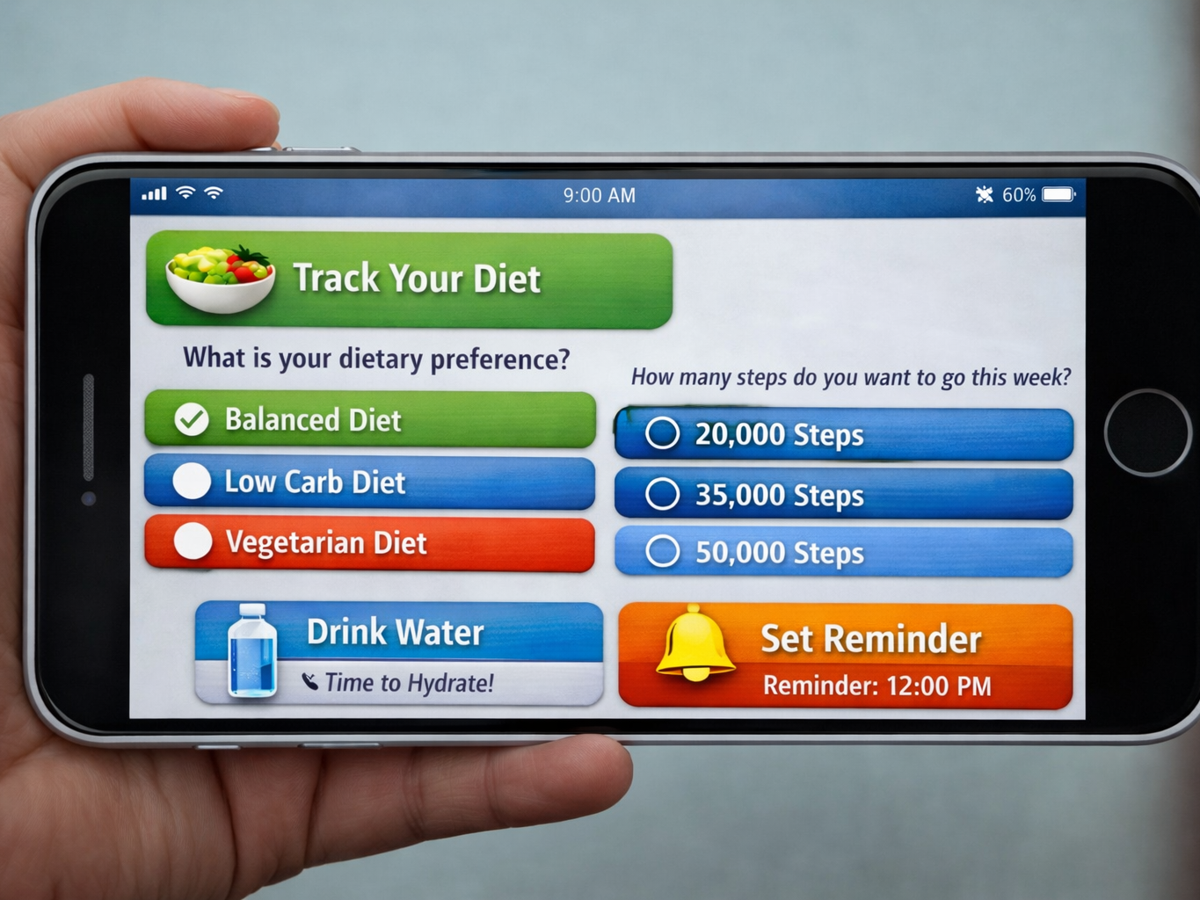

Most population projections estimate that by 2030, 1 in 6 people worldwide will be aged 60 years or older [], compared with 1 in 10 at present []. The older adult population is expected to grow and eventually double by 2050, reaching 2.1 billion persons worldwide []. According to the US Centers for Disease Control and Prevention, 6 in 10 adults in the United States are living with 1 or more of the “big five” chronic conditions: diabetes mellitus, cardiovascular disease, chronic respiratory disease, cancer, and stroke []. Older adults are at increased risk of having chronic conditions; two-thirds of Medicare beneficiaries have 2 or more chronic conditions []. This shifting demographic and the prevalence of chronic conditions result in an expanding number of older adults living with chronic conditions.
For individuals living with chronic diseases, effective self-management, wherein patients take an active role in their own care, is essential for improving physical health, emotional well-being, and overall quality of life []. Self-management typically involves patients consistently engaging in healthy lifestyle behaviors, including maintaining a balanced diet, participating in regular physical activity, adhering to prescribed medications, and attending follow-up medical appointments [].
Rapid advancements in technology (ie, smartphones and applications), connectivity (ie, mobile broadband availability), and commercial potential have resulted in an explosion of numerous information and communications technology (ICT) tools designed to support chronic disease self-management behaviors [-]. For older adults in particular, technologies designed to support health care and chronic disease management are classified into four general areas, which are based upon location of use and platform: (1) mobile-based apps, (2) smart home–based technologies, (3) online-based technologies, and (4) personalized application-based technologies []. Mobile-based apps, typically accessed via smartphones and tablets, are widely used to support remote medical services and personalized care. Among these, mobile health and telehealth platforms are the most prevalent. Smart home technologies, which incorporate ICT-enabled tools within the home, such as digital reminders for medical appointments, are increasingly recognized for their role in chronic disease management. Online-based technologies mainly refer to web-based services, including access to podcasts, disease-specific forums, health care providers and product reviews, and other health-related content, all of which support informed decision-making and continuous engagement with care. Personalized application-based technologies refer to a wide range of assistive devices that are programmed to improve care outcomes for older adults. Examples include intelligent devices that monitor vital signs such as blood pressure.
However, using ICTs to support chronic disease self-management among older adults presents significant challenges due to age-related barriers to technology use and engagement []. These barriers include generally lower levels of digital literacy and skills; increased concerns about privacy; and physical or cognitive limitations such as impaired vision, hearing loss, and memory decline [-]. As a result, older adults often depend on caregivers to effectively use health technologies []. In response, the literature has consistently emphasized the need for more accessible and inclusive design, particularly for ICTs aimed at this population []. A widely endorsed approach is to involve both older adults and their caregivers in the design process [,]. This co-design strategy has been shown to enhance usability, increase patient satisfaction, improve disease management, boost health literacy, and reduce health care costs [].
Despite substantial expansion of ICTs for chronic disease management, our search found that the literature specifically focused on adults aged 65 years and older remains fragmented and inconsistent. Prior reviews often examine younger populations, focus narrowly on single diseases (eg, diabetes), or aggregate technologies without distinguishing specific self-management behaviors. To date, no comprehensive review has mapped the breadth of ICTs supporting self-management behaviors uniquely for adults aged 65 years and older.
A scoping review is methodologically suited to (1) map broad and diverse bodies of literature, (2) clarify key concepts, (3) identify types of evidence, and (4) highlight gaps rather than evaluate intervention effectiveness or pool outcomes. Given the wide variation in study designs, technologies, and outcomes and the exploratory nature of the research questions, a scoping review is justified and aligns with PRISMA-ScR (Preferred Reporting Items for Systematic Reviews and Meta-Analyses extension for Scoping Reviews) guidance.
Guided by this rationale, this scoping review aims to address the following research questions:
What types of ICTs have been developed to support chronic disease self-management among adults aged 65 years and older?Which self-management behaviors (eg, medication adherence, physical activity, dietary management, and follow-up care) are targeted by these technologies?To what extent are older adults involved in the design, adaptation, or evaluation of these technologies?This review followed the PRISMA-ScR guidelines. The protocol was not registered.
Eligibility CriteriaConsistent with scoping review methodology, eligibility criteria were developed to capture the breadth of literature describing ICTs that support chronic disease self-management among adults aged 65 years and older, rather than to evaluate intervention effectiveness.
The inclusion and exclusion criteria are summarized in .
Textbox 1. Inclusion and exclusion criteria.Inclusion criteria
Population—adults aged 65 years or older managing 1 or more chronic diseasesConcept—information and communication technologies (ICTs) designed to support at least 1 chronic disease self-management behavior, including (but not limited to) medication adherence, physical activity, diet, or follow-up appointment attendanceContext—any setting (eg, home, community, and clinical)Types of sources: peer-reviewed empirical studies (qualitative, quantitative, mixed methods, feasibility or pilot studies, observational studies, or trials) published in English between 2007 and 2025Exclusion criteria
Interventions targeting only health care providersNondigital or nonpersonalized technologiesStudies not focused on chronic disease self-managementReviews, editorials, protocols, conference abstracts, or dissertationsA pilot screening phase was conducted during the initial article selection, in which similar articles from target journals were reviewed to refine the scope and thematic alignment of this review. This process guided database selection and search strategy refinement but was not part of the formal eligibility criteria. Because the goal of a scoping review is to map existing evidence rather than restrict it based on study design or comparator groups, no comparator was required or used as part of the eligibility criteria.
Information SourcesA comprehensive search was conducted in 7 databases selected in collaboration with a health sciences librarian: PubMed, CINAHL, Web of Science, Cochrane Library, Compendex, IEEE Xplore, and Computers & Applied Sciences Complete. All searches were completed on December 15, 2024. Reference lists of included studies were hand searched for additional relevant articles.
Search StrategySearch terms were developed to reflect the review’s core aims: older adults, digital health technologies, and chronic disease self-management. Terms were adapted for each database using controlled vocabulary (eg, Medical Subject Headings [MeSH]) and keywords. Detailed search strings are included in .
Study SelectionTitles and abstracts were independently screened by 2 reviewers (PM and CRS). Rayyan, an internet-based software package, was used to facilitate article screening []. The 2 authors independently completed the title and abstract screening and full-text screening. Full texts of potentially eligible studies were assessed using the defined inclusion and exclusion criteria. Disagreements were resolved through consensus with the third author (YW). A PRISMA-ScR flow diagram was used to outline the study identification and selection process.
Data Collection ProcessIn accordance with scoping review methodology, a standardized data charting form was developed and iteratively refined. Two reviewers (PM and CRS) independently extracted data from the included studies using a standardized data extraction form. Extracted data included study characteristics (author, year, and country), population demographics, technology description, targeted chronic diseases, self-management domain, outcomes related to technology use and acceptance, and reported effectiveness. The third reviewer (YW) resolved disagreements.
Data ItemsKey data items included the following:
Author, year, and countryStudy designParticipant age and health statusType and functionality of technologyChronic diseases addressedSelf-management behaviors targetedSetting (home based, clinical, and other)Extent and type of older adult involvement in design or evaluationReported outcomes (clinical, behavioral, or usability related)Data charting was iterative; reviewers updated the form as familiarity with the literature increased, in accordance with best practices for scoping reviews.
Synthesis of ResultsConsistent with PRISMA-ScR, no risk of bias or formal quality assessment was conducted, as the goal was to describe the extent and nature of existing evidence rather than to evaluate or compare intervention effectiveness.
Because of substantial heterogeneity in study designs, outcomes, technologies, and measurement approaches, meta-analysis was neither planned nor appropriate. This aligns with the purpose of a scoping review.
Narrative and Thematic SynthesisA descriptive, narrative synthesis was conducted. Studies were grouped according to the following categories:
Technology type (mobile apps, web-based platforms, wearable or sensor technologies, and smart home systems)Targeted self-management behaviorsChronic disease or health focusDegree of older adult involvement in design or testingTo identify key themes across studies, we used a structured thematic analysis process. First, during initial coding, 2 reviewers independently reviewed charted data and coded recurring concepts related to technology use, usability, self-management support, and design involvement. Second, in code consolidation, codes were compared, merged, and refined through discussion. Third, we used theme development to group codes into preliminary categories and iteratively refined them to generate overarching themes reflecting patterns across studies. Fourth, in a final synthesis, themes were summarized and integrated into the narrative results. This analytic process enabled identification of major trends, gaps, and characteristics of the literature.
Effect MeasuresBecause this is a scoping review, no standardized effect measures were calculated. When available, quantitative outcomes (eg, percentages, use statistics, and self-reported behavior changes) were summarized descriptively based on the information reported in each study.
The database search identified 897 records. After deduplication, 815 (90.9%) titles and abstracts were screened. Following full-text review, 19 (2.1%) studies met the inclusion criteria. The study identification and selection process is summarized in (the PRISMA-ScR flow diagram).
 Figure 1. PRISMA-ScR (Preferred Reporting Items for Systematic Reviews and Meta-Analyses extension for Scoping Reviews) flow diagram illustrating the identification, screening, eligibility assessment, and inclusion of sources of evidence. Characteristics of Included Studies
The 19 included studies were published between 2007 and 2025, with the majority (n=18, 94.7%) published after 2012. Studies were conducted across multiple disciplines, including rehabilitation, geriatrics, computer engineering, nursing, and digital health.
Sample sizes varied substantially, ranging from 10 to 803 participants, with most studies enrolling fewer than 120 participants. All studies included older adults aged 65 years and older, although several recruited broader adult populations and reported subgroup data for older adults.
Technologies described in the included studies (n=19) encompassed 4 primary categories: mobile apps and tablets (n=9, 47.4%), web-based platforms (n=5, 26.3%), wearable or sensor-based technologies (n=3, 15.8%), and smart home or device-integrated systems (n=2, 10.5%).
Self-management behaviors targeted most frequently included physical activity (n=11, 57.9%) and medication management (n=10, 52.6%). Dietary behavior (n=7, 36.8%) and follow-up appointment support (n=3, 15.8%) were less commonly addressed.
A detailed summary of charted study characteristics is provided in .
Table 1. Charted characteristics of included studies (n=19).StudyTechnology typeSelf-Management focusAge (years)Sample size, nNotes (major study features)Nischelwitzer [] 2007Mobile medical appPhysiological tracking36‐8415Early mobile prototype; pilot feasibilityAli et al [] 2012Touchscreen platformNutritional education60‐7631Education-focused dietary interfaceAmmann et al [] 2012Web platformPersonalized physical activity19‐89803Large sample; tailored contentHess et al [] 2012SMS text messagingActivity and dietary support40‐6947Combined prompting systemReeder et al [] 2013Digital pill dispenserMedication managementAverage 8096Device-integrated systemJiménez-Fernández et al [] 2013Wireless sensorsPhysiological trackingAverage 6522Wearable monitoringEllis et al [] 2013Pedometer and computerPhysical activityAverage 65.620Exercise-focusedMira et al [] 2014Tablet appMedication management≥6599Self-medication supportDasgupta et al [] 2016Tablet appActivity and medication managementAverage 66.816Multifunction platformCosta et al [] 2017Smart TV systemSocial and health services≥6562TV-based interfaceGeorgsson and Staggers [] 2017SMS serviceFollow-up, activity, and medicationMajority aged 60‐6910Multibehavior SMS supportYan and Or [] 2017Tablet with blood pressure and glucose metersPhysiological trackingAverage 69.9119Integrated monitoringPariser et al [] 2019TelemedicineAccess to resourcesAverage 6676Virtual careLang et al [] 2022TabletPhysiological tracking≥65116Remote monitoringNambisan et al [] 2022Mobile appPhysical activity and diet60‐8020Behavior loggingTraviss-Turner et al [] 2024Web programDietary behavior25 to >6522Binge eating reductionShi et al [] 2024Web programExercise and diet monitoringAverage 67.264Lifestyle modificationValdeverona et al [] 2024SMS textingDiet, exercise, and medications37‐8238Multidomain supportSpinean et al [] 2025Mobile appPhysical activity and diet18 to >65147Large mixed-age sampleMapping of Self-Management BehaviorsTo describe the scope of self-management behaviors addressed by ICTs, the 19 included studies were categorized according to the primary behavior targeted.
Physical activity was addressed in 11 (57.9%) studies. These studies evaluated pedometers, activity monitoring mobile apps, wearable sensors, or web-based activity programs. Approaches included real-time step tracking, motivational prompts, and personalized exercise recommendations.
Medication management was targeted in 10 (52.6%) studies. Technologies included digital pillboxes, reminder systems, medication self-management apps, and SMS text messaging medication prompts. Most outcomes were descriptive, reporting perceived usefulness, adherence trends, or frequency of system use.
Dietary behavior was addressed in 7 (36.8%) studies. These ICTs focused on dietary logging, nutritional education through tablet or TV interfaces, and monitoring of self-reported dietary behaviors. Few studies provided objective dietary outcomes; most reported usability, satisfaction, or behavioral intentions.
Follow-up appointment support was addressed in 3 (15.8%) studies. Appointment reminders were delivered through SMS text messaging systems or integrated care platforms. Studies described improved perceived access to resources rather than clinical outcomes.
Older Adult Involvement in Technology DesignOf the 19 studies, only 4 (21.1%) explicitly described involving older adults or caregivers in technology design or refinement. Of these, 2 studies used usability testing only, which occurred late in the development cycle. Only 2 studies incorporated participatory or co-design approaches, allowing older adults to contribute to early-stage feature development.
This limited involvement highlights a critical gap between design practices and the needs of older adult users—a key theme in our narrative synthesis.
A summary of user involvement is presented in .
Table 2. Extent of older adult involvement in information and communication technology design, adaptation, or evaluation (n=19).StudySample size, nOlder adult involvement during designType of involvementNischelwitzer et al []15NoInitial pilot testing onlyAli et al []31NoUsability testing after developmentAmmann et al []803NoNot reportedHess et al []47NoEnd user feedback onlyReeder et al []96NoPostdeployment evaluationJiménez-Fernández et al []22NoUsability evaluationEllis et al []20NoUsability or feasibility testingMira et al []99YesCo-design: medication routine insightsDasgupta et al []16NoUsability and performance testingCosta et al []62NoInformal feedbackGeorgsson and Staggers []10NoSatisfaction surveyYan and Or []119NoLogging and perceived usefulnessPariser et al []76NoTelemedicine use feedbackLang et al []116NoUsability testingNambisan et al []20YesIterative prototypingTraviss-Turner et al []22NoBehavior tracking inputShi et al []64NoAttitudes and satisfaction assessmentValdeverona et al []38NoAcceptability evaluationSpinean et al []147NoEnd user adoption dataaItalicized text denotes studies with meaningful (but limited) co-design or development-stage input.
Themes Identified in the Narrative SynthesisThrough thematic analysis of charted data, 3 overarching themes emerged.
Theme 1: ICTs Commonly Target Single Behaviors Rather Than Multidimensional Self-ManagementMost technologies (14/19, 73.7%) focused on only one self-management behavior, despite the high prevalence of multimorbidity in older adults. Physical activity and medication adherence dominated the intervention landscape, while diet and follow-up behaviors were underrepresented.
Theme 2: Limited Integration of Older Adults in Design and DevelopmentConsistent with prior literature on participatory design, few studies included older adults in the design process, and involvement was often superficial. Studies that incorporated older adult or caregiver feedback reported improved usability, increased engagement, and greater perceived relevance. However, participatory co-design remains the exception rather than the norm.
Theme 3: Focus on Usability Over EffectivenessAcross studies, outcomes overwhelmingly emphasized usability, perceived usefulness, intention to use, and satisfaction. Few studies measured changes in actual self-management behavior or clinical outcomes, reflecting a broader trend toward feasibility or proof of concept research rather than rigorous evaluation.
Summary of FindingsThe evidence base is diverse but fragmented. ICTs designed to support chronic disease self-management in older adults vary in purpose, technology type, and targeted behavior. Several key gaps were identified. These gaps included minimal involvement of older adults in technology design, scarcity of multidimensional or integrated self-management technologies, lack of objective outcome measures, and limited focus on follow-up appointment adherence and dietary behavior.
Additional Analyses: Qualitative SynthesisArticles that reported technology interventions and included self-management aimed at improving chronic disease outcomes using either clinical or behavioral outcomes were eligible for systematic review inclusion (). We categorized the interventions into the following 4 self-management activities: medication behavior, physical activity, dietary behavior, and follow-up appointment attendance.
Table 3. Self-management behaviors targeted by information and communication technologies in the included studies (n=19).StudyMedication behaviorFollow-up appointment attendancePhysical activityDietary behaviorReported outcomes related to behaviorNischelwitzer et al []NoNoYesNoMeasured user input data including blood pressure and glucose levelAli et al []NoNoNoYesMeasured perceived usefulness and ease of useAmmann et al []NoNoYesNo—Hess et al []YesNoNoNoMeasured glucose readings and appointment attendanceReeder et al []YesNoNoNoMeasured perceived ease of use and usefulnessJiménez-Fernández et al []YesNoNoNoMeasured degree of satisfaction and perceived ease of useEllis et al []NoNoYesNoMeasured walking activity and speedMira et al []YesNoNoNoMeasured adherence and missed dosesDasgupta et al []YesNoYesNoMeasured health management skills, risk for depression, and self-reported physical activityCosta et al []YesYesYesNoMeasured user perceptionGeorgsson and Staggers []YesYesYesYesMeasured perceived improvementYan and Or []YesNoNoNoMeasured actual use and perceived usefulnessPariser et al []YesNoNoNoMeasured perceived access to clinical resourcesLang et al []YesNoNoNoMeasured actual use and perceived usefulnessNambisan et al []NoNoYesYesMeasured physical activity and dietary log; condition trackingTraviss-Turner et al []NoNoNoYesMeasured binge eating rateShi et al []NoNoYesYesMeasured improvement in exercise and dietary behaviorsValdeverona et al []Yes———Measured perceived usefulness and frequency of useSpinean et al []NoNoYesYesMeasured adherence to physical activity recommendation and dietary recommendationaIndicates that the applicable self-management behavior was not measured or included in the referenced study.
Despite the extensive body of literature on technology use in chronic disease management, relatively few studies (n=19) have explicitly examined the role of ICTs in supporting self-management behaviors among adults aged 65 years and older. This finding underscores the relative underdevelopment of an evidence base that is both age specific and behaviorally grounded, despite the high burden of multimorbidity and chronic disease management demands in this population. Given the well-established link between the 4 key self-management behaviors (ie, medication adherence, attending medical appointments, engaging in physical activity, and maintaining a healthy diet) and chronic disease outcomes, future research on technology use in chronic disease management should specifically address these behaviors to ensure more concrete and actionable findings [].
Importantly, the scoping nature of this review allows for identification of patterns and gaps across heterogeneous study designs rather than assessment of intervention effectiveness. Viewed through this lens, the limited number of studies focused explicitly on adults aged 65 years and older reflects not only a quantitative gap but also a conceptual one in how older adults are positioned within digital health research. Future studies should place particular emphasis on adults aged 65 years and older, a population with a high prevalence of multiple chronic conditions and a documented lower intention to use health information technologies designed for self-management [,].
The identified gap gains further significance in light of known predictors of technology use for disease management, particularly performance expectancy and social influence. Lower levels of these factors may contribute to suboptimal adoption and sustained use of ICTs among older adults with chronic diseases []. While several studies implicitly acknowledged these determinants, few explicitly incorporated them into intervention design or evaluation frameworks. Understanding these predictors is crucial for informing targeted interventions that address the specific needs, expectations, and social contexts of older adults.
An increasing body of literature highlights the importance of involving older adults in the design of technologies intended to support their health []. However, only a small subset of studies in this review reported meaningful involvement of older adults during early design or development phases, with most limiting engagement to late-stage usability testing. Emerging research further suggests that incorporating older adults’ caregivers and support networks into the design process can improve communication, strengthen social relationships, and enhance sustained technology use [,]. The limited adoption of participatory and co-design approaches identified in this review therefore represents a missed opportunity to align ICT development with the lived realities of aging with chronic disease.
Regarding technology types, mobile technologies and personalized applications were the most frequently reported, surpassing web-based and home-based solutions. This pattern aligns with broader literature on technology acceptance among older adults, which suggests that tablets and smartphones are often perceived as more accessible and easier to use than desktop or laptop computers [,]. However, the predominance of mobile solutions should not be interpreted as evidence of optimal fit for all older adults, particularly those with sensory, cognitive, or socioeconomic barriers that may limit access or sustained use.
The included studies addressed self-management behaviors related to physical activity, medication management, diet and nutrition, and follow-up appointment attendance. While social services and social connectedness were rarely targeted, 1 study using an interactive TV-based platform demonstrated promising outcomes related to access to services and social engagement, suggesting a potential role for ICTs in addressing social isolation as a component of chronic disease self-management [,]. This finding highlights the need to broaden conceptualizations of self-management beyond biomedical behaviors to include social and contextual dimensions that influence health and well-being in later life.
Implications for Practice and Future ResearchThis scoping review reveals several important opportunities for improving the design and implementation of ICTs that support chronic disease self-management in older adults.
First, expand the range and integration of self-management behaviors addressed. Future technologies should move beyond single-behavior interventions to reflect the multidimensional nature of chronic disease in older adults. Attention should also be given to social services as a self-management behavior, and exploration of technologies targeting social isolation is warranted.
Second, integrate older adults and caregivers across all stages of technology development. Participatory and co-design methodologies should be prioritized to ensure that ICTs align with users’ functional abilities, digital literacy, and everyday care contexts. Early-stage involvement, rather than post hoc usability testing alone, is particularly important for improving relevance and adoption.
Third, incorporate social and contextual determinants of technology use. Factors such as digital literacy, socioeconomic status, internet access, and social support networks are central to understanding ICT adoption and effectiveness among older adults. Future research should explicitly measure and report these contextual factors rather than treating them as background characteristics [,].
Fourth, adopt more robust evaluation approaches as technologies mature. While feasibility and usability studies remain appropriate at early stages, later-phase research should incorporate objective measures of behavior change, care processes, or health outcomes to better assess real-world impact.
Finally, develop technologies that support care continuity and follow-up. Appointment adherence and communication with health care providers remain underexplored yet highly relevant domains for older adults’ health outcomes and health care use.
Collectively, these implications underscore the need for more holistic, user-centered, and contextually informed ICT development strategies tailored to older adults managing chronic disease.
Strengths and LimitationsThis review’s strengths include a comprehensive, librarian-assisted search strategy; adherence to PRISMA-ScR reporting guidelines; and a structured, iterative approach to data charting and thematic synthesis. By focusing on self-management behaviors rather than specific diseases or technologies alone, this review offers a behaviorally grounded map of the current evidence base that complements prior disease-specific reviews.
Several limitations should be noted. First, while this scoping review provides valuable insights into ICTs targeting older adults, it did not assess intervention effectiveness or quality, consistent with scoping review methodology. Second, the heterogeneity of study designs, populations, and outcome measures limited cross-study comparability. Third, gray literature was not included, which may have excluded emerging or non–peer-reviewed technologies relevant to older adults. Finally, although sociocultural and structural factors were identified as important gaps, these were infrequently reported in the included studies, limiting deeper analysis of their influence on ICT adoption and use [,].
ConclusionsThis scoping review maps the current landscape of ICTs designed to support chronic disease self-management among adults aged 65 years and older, revealing a fragmented and uneven evidence base. Although a wide range of technologies has been developed, most focus on single self-management behaviors and provide limited evidence of meaningful older adult involvement in design or development.
The findings have important implications for aging researchers, health informatics scholars, and technology developers. Addressing the identified gaps, particularly the limited use of participatory design, the narrow focus on individual behaviors, and the lack of attention to social and contextual factors, will be essential for advancing more inclusive and effective ICT-based self-management support for older adults. As the population ages and the prevalence of multimorbidity increases, intentional, age-centered approaches to digital health design will be critical for improving chronic disease management and health equity in later life.
This study received no external funding.
All 3 authors contributed equally to the development of the manuscript. Each author substantially participated in (1) the conception and design of the study, data collection, data analysis, and interpretation; (2) drafting and revising the manuscript for important intellectual content; and (3) approving the final version of the manuscript.
None declared.
Edited by Matthew Balcarras, Naomi Cahill; submitted 14.May.2024; peer-reviewed by Fernanda Bastos, Marie-Eve Gagnon, Urjoshi Sinha; final revised version received 13.Jan.2026; accepted 13.Jan.2026; published 19.Mar.2026.
© Paul Murdock, Yiyi Wu, Charles R Senteio. Originally published in the Interactive Journal of Medical Research (https://www.i-jmr.org/), 19.Mar.2026.
This is an open-access article distributed under the terms of the Creative Commons Attribution License (https://creativecommons.org/licenses/by/4.0/), which permits unrestricted use, distribution, and reproduction in any medium, provided the original work, first published in the Interactive Journal of Medical Research, is properly cited. The complete bibliographic information, a link to the original publication on https://www.i-jmr.org/, as well as this copyright and license information must be included.
Comments (0)