Tracking the Trail: Linking Reported Biomarkers of MetS to its Severity Using NHANES Data
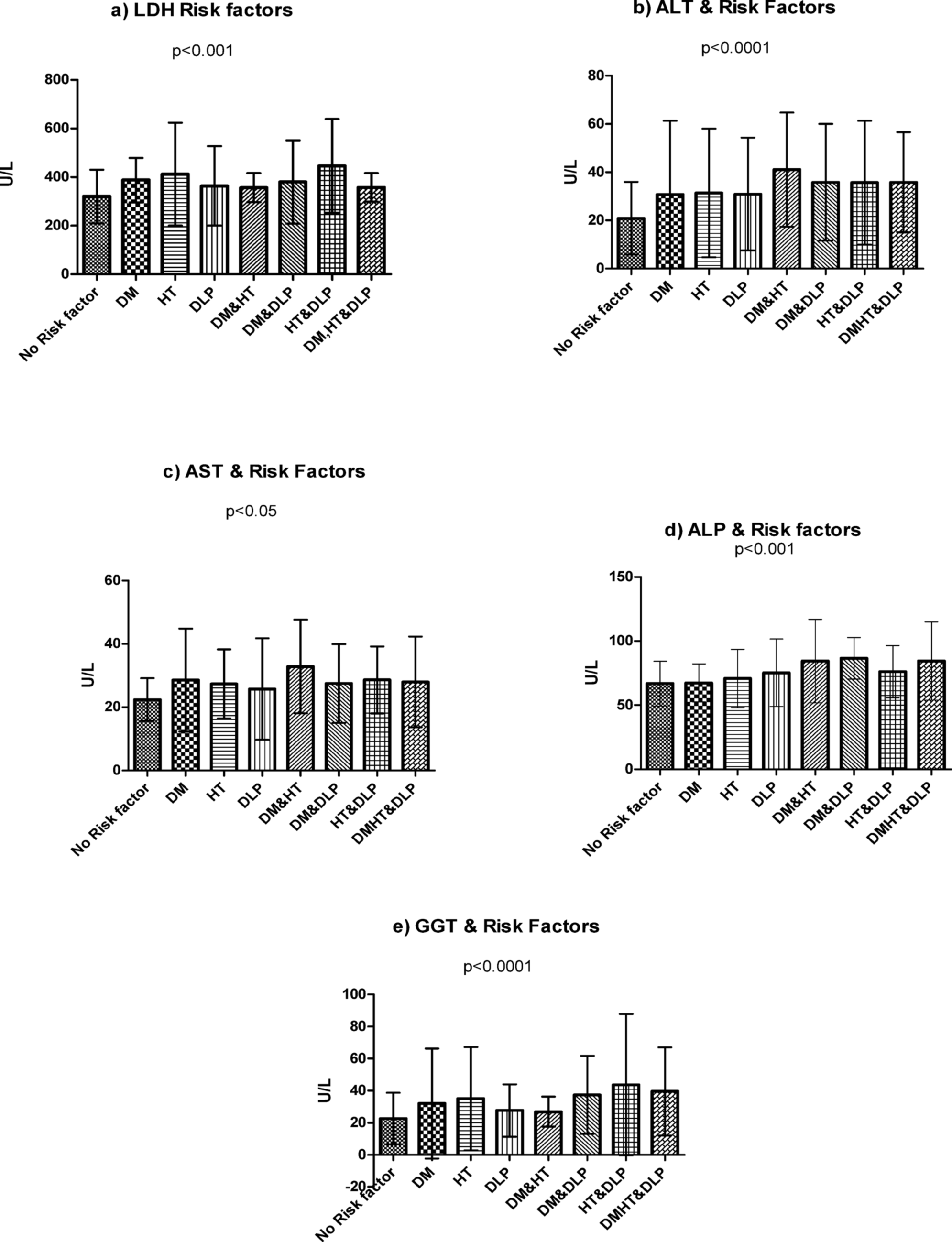
A cluster of metabolic abnormalities, including obesity, hyperglycemia, hypertension, and dyslipidemia known as metabolic syndrome (MetS) increases the risk of other non-communicable diseases including type 2 diabetes and cardiovascular diseases. Early identification and stratification of individuals based on their risk of developing MetS can enable timely interventions, helping to prevent its onset and progression to related comorbidities, ultimately reducing the overall disease burden. While several predictive markers for MetS have been identified across different studies, a unified comparison within a single dataset is lacking. This study addresses that gap by comparatively evaluating five well-established early markers of MetS within a single dataset to assess their relative predictive power. Data from the National Health and Nutrition Examination Survey (NHANES) was used and categorized into four groups based on disease severity: control, intermediate MetS states (with one or two components), and MetS (with three or more components). The differentiating capability of the markers was assessed by receivers operating curve analysis (ROC) and ranked based on their area under the curve (AUC) values. A progressive increase was observed in all markers, from control to 1C, 1C to 2C, and 2C to MetS. Levels of GGT, hsCRP, and ALT/AST were significantly elevated from control to MetS and in the 1–2C states. ROC curve analysis identified hsCRP and GGT as the top differentiators between the control and MetS. Consistent results in both sexes highlight hsCRP and GGT as the most reliable markers for distinguishing control, 1C, 2C, and MetS.


Comments (0)