Trial design
A randomized controlled trial was used to evaluate the effectiveness of our TC program for OF patients in the first 24 weeks from hospital to home. We investigated whether the intervention group receiving the TC program was different from the control group in the fields of quality of life, functional performance, and disease burden.
Participants
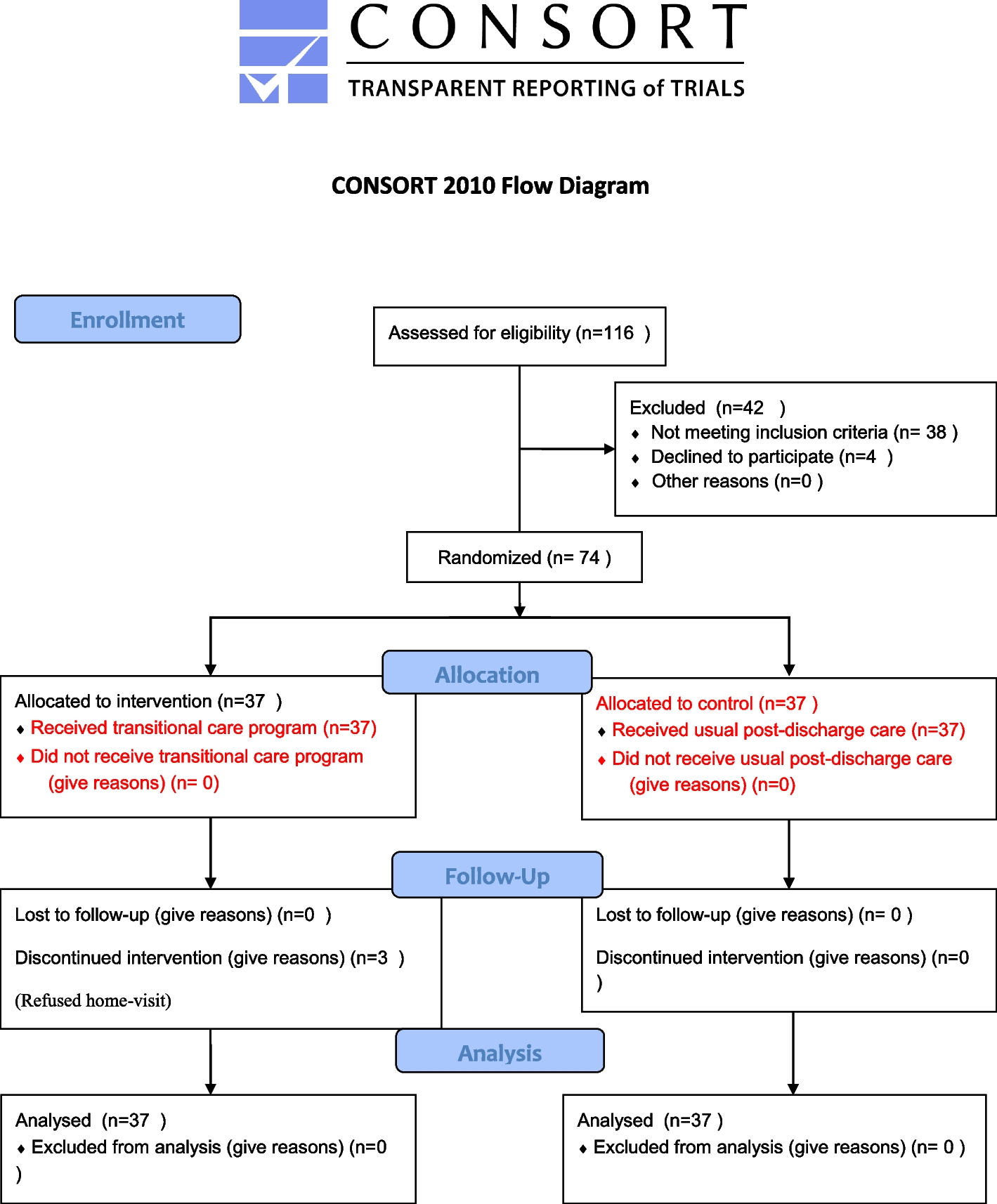
Patients were recruited on the day they were discharged from the orthopedic unit of our hospital between September 2018 and July 2019. The study protocol was explained to the subjects in detail. All participants provided written, informed consent. Ethical approval was granted by our university. The study was registered at the China Clinical Trials Register (http://www.chictr.org.cn/historyversionpub.aspx?regno=ChiCTR2200060326) on May 28, 2022, with registration number ChiCTR2200060326.
Subjects were included if they met the following criteria: (1) fractures due to osteoporosis according to the 2017 Chinese guidelines for the diagnosis and treatment of OF [11]; (2) ≥60 years old; (3) Chinese version of the Mini-Mental State Examination score was ≥20; (4) discharged to home; (5) with household registration in Lishui County; (6) not planning to move away from Lishui County within 6 months of study enrollment. Exclusion criteria were as follows: (1) pathological fracture due to malignancy; (2) being non-ambulatory before the onset of the fracture; (3) unstable cardiovascular or pulmonary diseases that required active treatment; (4) discharged to nursing homes, inpatient rehabilitation facilities, or welfare institutions; (5) could not cooperate with follow-up visits or refused to participate.
Study setting
The study was carried out in Lishui County, Foshan, China, which is located in the middle of the Pearl River Delta, one of the most affluent regions in south China. At the end of 2018, the total registered population was about 600,000.
Randomization
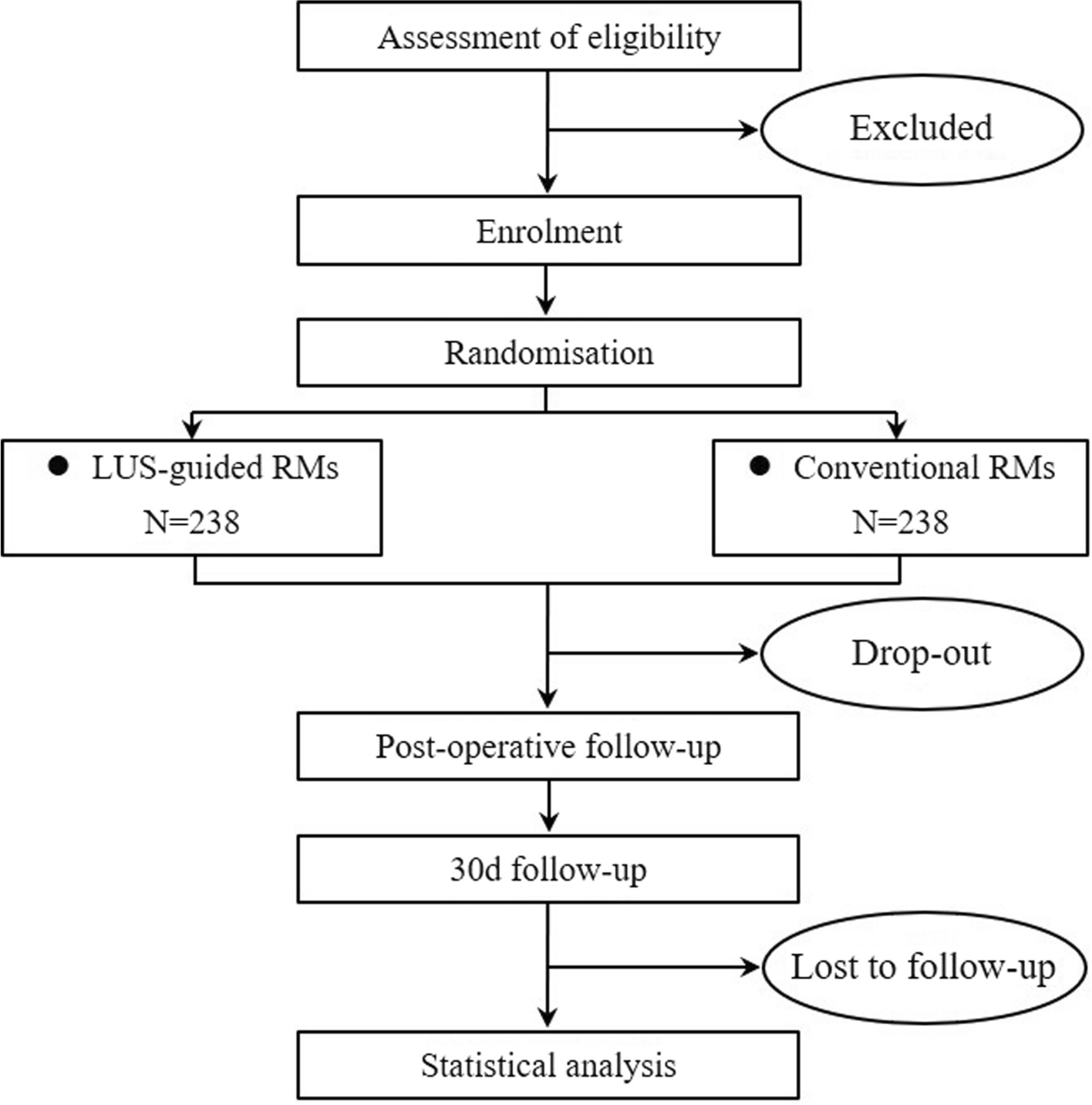
Eligible OF patients were randomly assigned to the intervention group or control group by a computer-based randomization program that was concealed from the researchers and participants. The size of the block was two, with equal numbers for both groups, and the numbers were sealed in envelopes organized by an administrative staff not involved in patient recruitment. An independent and blinded assessor, specially trained in the use of all the outcome measures, performed the investigation.
Sample size
The sample size was estimated based on SF-36, the primary outcome variable of this study. We estimated the sample size based on a repeated measures analysis of variance design, referencing the study of Wong and Yeung [6]. To achieve 80% power with an effect size of 0.5, the number of subjects selected for this study was 70, taking into account a loss to follow-up rate of 10%.
Intervention
All participants received an orthopedic unit-based treatment regime that can be summarized into a surgical protocol and a conservative protocol according to the 2017 Chinese guidelines for the diagnosis and treatment of OF [11]. The treatment was offered by a multidisciplinary team consisting of an orthopedist, a nurse, and a physiotherapist soon after admission until discharge to home. As soon as a patient was discharged from the hospital, the primary health care center was informed about the patient regarding baseline assessment data, discharge medication, risk factors profile, and discharge plans. The primary health care center in China mostly treats uncomplicated conditions and does notconduct systematic follow-up with patients and continuous rehabilitation.
TC program in the intervention group was provided by a multidisciplinary team, including a rehabilitation doctor, a physiotherapist, a community-based general practitioner, and a nurse. Their activities also include (1) medication reconciliation performed by general practitioners and nurses and (2) self-management education regarding risk factors control by team members.
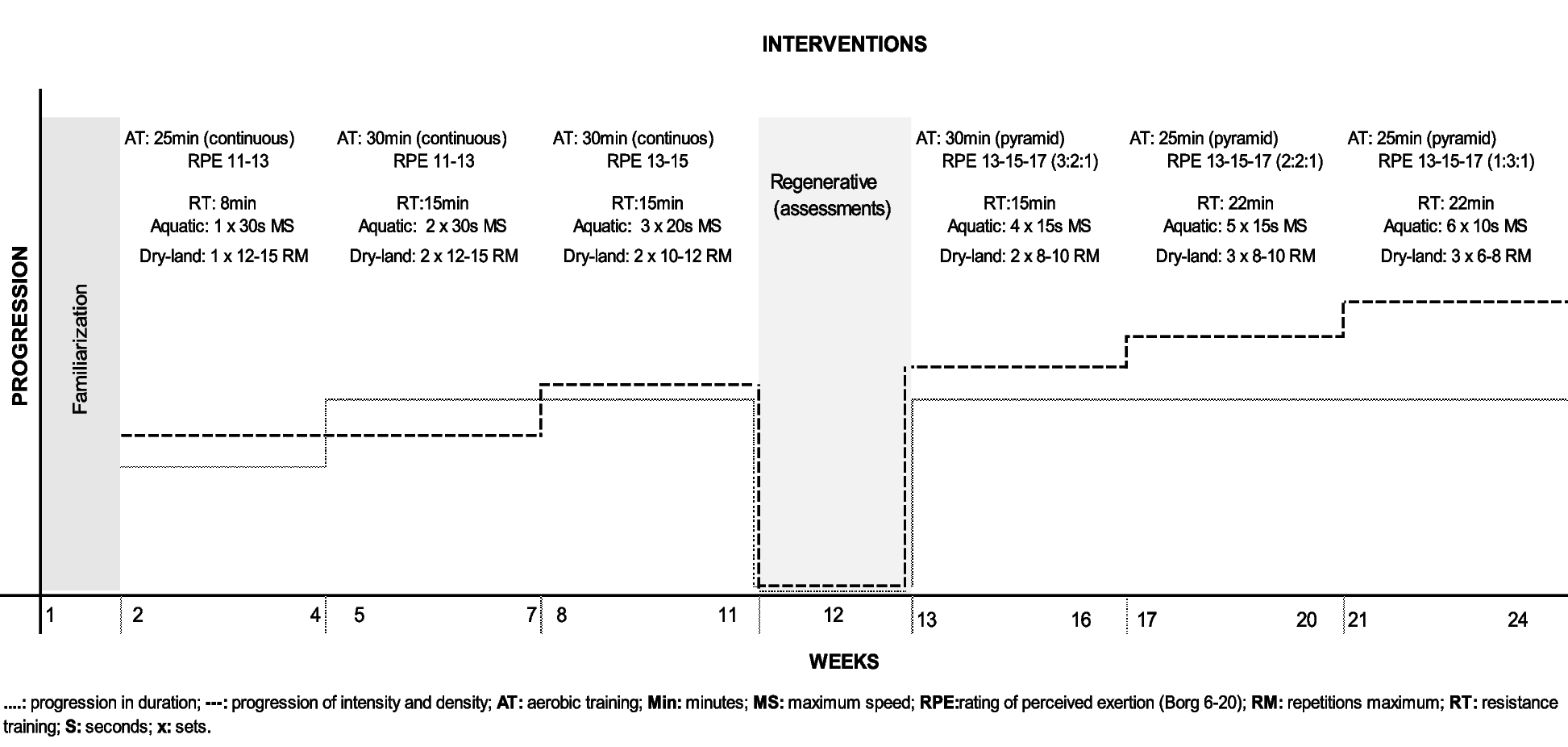
For the intervention group, the TC program was conducted both at the community healthcare centers and at home lasting 24 weeks. Eligible participants were contacted by the designated staff at the nearest primary healthcare centers. They went to the centers accompanied by their caregivers or social workers. During the first 12 weeks, patients were trained at the community healthcare centers 4 days a week for the first 4 weeks, followed by twice a week for 8 weeks. Training at the community healthcare centers consisted of neuromuscular electrical stimulation (NMES) and exercise intervention. Parameters for NMES were set at a frequency of 80 pulses/min, a pulse width of 0.1–1.5 ms, and an on:off ratio of 4 s:10 s. The intensity was increased until the patients felt it, but not pain. After a 5-min break, a progressive strength training program was conducted, and each session consisted of 3–5 sets of 10 repetitions. Training loads were adjusted on an individual basis.
1.
Abduction and elevation of the affected limb; ankle pump exercise; isometric training of quadriceps femoris; isometric training of hamstring muscle; continuous passive motion (CPM).
2.
CPM with raised angle; active flexion exercise of affected joint; active straight leg raising; stationary bicycle exercise.
3.
Exercise of weight-bearing and balance; walk training; walk with and without crutch.
After the 12-week period at the community healthcare centers, patients were offered a home-based progressive exercise program described before by a therapist twice a week for the first 8 weeks, then once a week for the last 4 weeks. Patients were encouraged to continue rehabilitative training by themselves according to the suggestions from the therapists. Phone calls reminding them to continue training were made at a minimum of three times a week until the end of the study (at the end of 24 weeks). The patients also received consultation from the specialists in orthopedics and rehabilitation who were available twice a month.
For the individuals in the control group, usual post-discharge care was administered by the staff from community healthcare centers. The care was based on a secondary OF prevention strategy. Only a home-based progressive exercise program was administered. There was no training at the community healthcare centers until after 12 and 24 weeks, respectively, when outcomes were measured.
Outcome measures
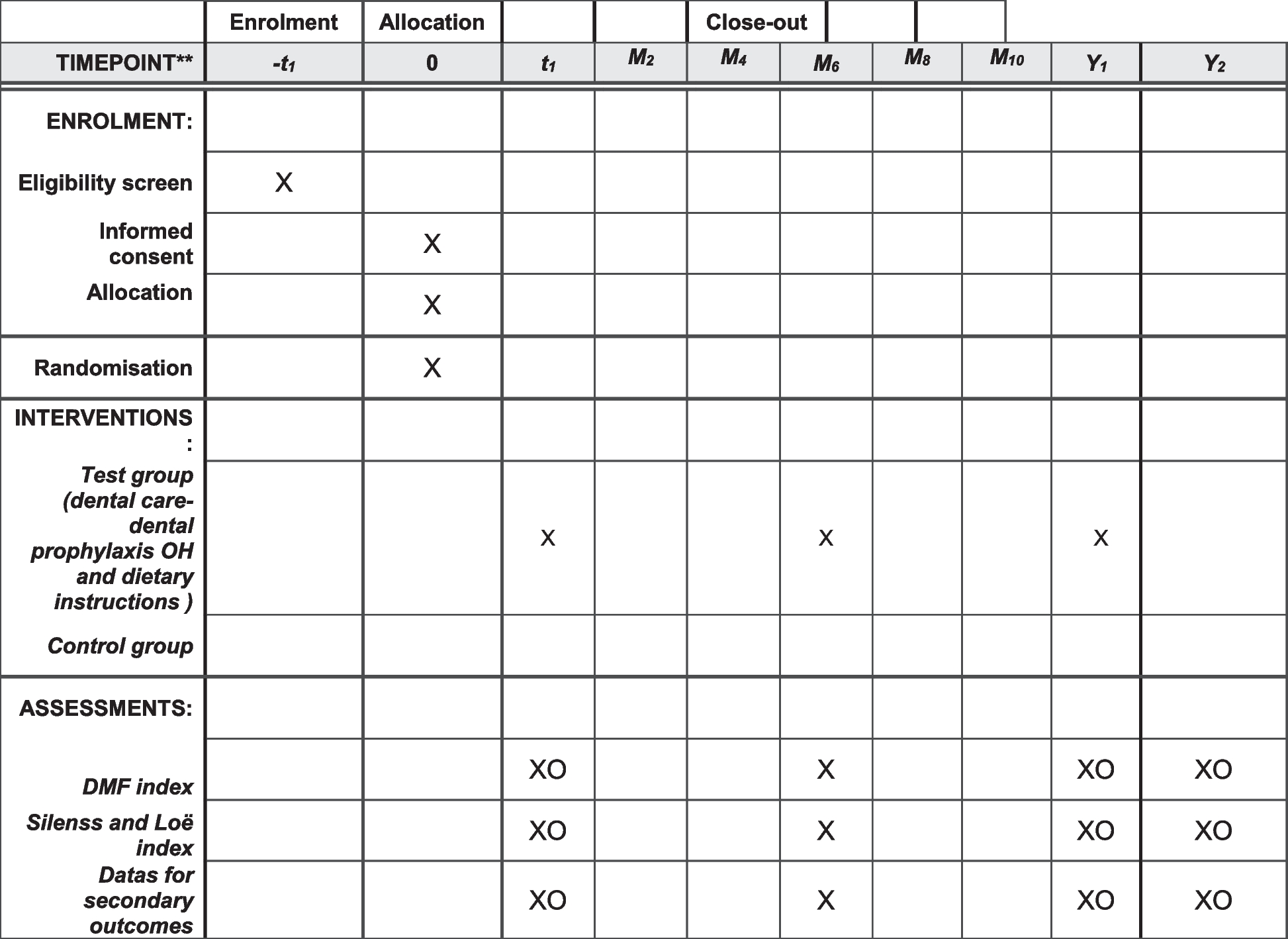
All the patients were followed up at 12 and 24 weeks after discharge from the orthopedics unit. The outcomes we selected focused on (1) quality of life (QoL), measured by SF-36. The SF-36 consists of 36 items, which assess the extent of the health-related limitations both in physical and mental functioning. Previous research on its Chinese version proved both its reliability and validity [12]. (2) Functional performance, assessed by the Modified Barthel Index (MBI). It has 10 domains, and the maximum score within each domain is 10, with a high aggregated score indicating independence [13]. (3) The burden of illness on caregivers, determined by the Caregiver Strain Index (CSI). CSI is a 13-item index developed to measure the burden of the patient’s illness on the caregiver. The relative or person nearest to the patient was defined as the caregiver and asked to complete the form. The total score ranges from 13 to 26. High score indicates a low level of burden [14].
Statistical analysis
Data were double put into by Epidata 3.0 and then analyzed by SPSS 16.0. The Shapiro-Wilks test was used to test the normal distribution of all parameters. Comparison between the two sets of data was carried out by t-test. Differences in categorical variables were analyzed using χ2 test. Missing outcome data were imputed by the expectation–maximization (EM) algorithm trimmed to fall between the minimum and maximum of possible values.
In all analysis of variance to examine differences between groups, homogeneity was determined by Levene’s test. Two-way repeated measures analysis of variance was used to examine the differences between the intervention and control groups at distinct time points. A P value < 0.05 was considered statistically significant.





Comments (0)