
Remember me

Hypertension and sedentary lifestyle represent highly prevalent and interconnected global health challenges. Both conditions increase markedly with advancing age and demonstrate greater prevalence in urbanized populations [1]. Importantly, a sedentary lifestyle is a well-established risk factor for hypertension. The 2025 American College of Cardiology/American Heart Association Guideline for the Diagnosis and Treatment of Hypertension, developed by the Joint Committee on Clinical Practice Guidelines, was recently published [2]. Lifestyle modifications, including regular exercise, remain a cornerstone of hypertension management and the first-line non-pharmacological treatment [2]. In fact, since the inception of the clinical hypertension treatment guidelines, aerobic exercise has been included as the “gold standard” of standard lifestyle modifications [3]. In more recent years, resistance training has been appearing in all the exercise prescription guidelines due to its importance in maintaining and enhancing physical function. In the most recent BP guidelines, resistance training is prominently featured as one of the lifestyle modifications [2]. The primary aim of this brief review is to determine if resistance training offers comparable benefits to aerobic exercise on arterial pressure. Because blood pressure (BP) is typically measured using office (clinic) and ambulatory (24-hour) monitoring, the impacts on these different measurements are highlighted.
Distinctions between Aerobic Exercise and Resistance ExerciseAerobic and resistance exercise represent two distinct forms of exercise. Aerobic exercise is characterized by continuous and rhythmic contractions of large muscle groups conducted for extended periods. It includes a variety of exercises such as walking, running, cycling, swimming, and cross-country skiing. These exercises can be performed continuously with sustained, steady-state efforts or in intervals (as in high-intensity interval training) with alternating periods of high- and low-intensity exercise. Both approaches are classically designed to enhance cardiorespiratory fitness. Resistance exercise is activities designed to improve muscle strength and endurance through force generation against external resistance or load. Similar to aerobic exercise, various forms of resistance exercise exist, including dynamic weight training, isometric (or static) exercise, bodyweight training, and circuit weight training. Some forms of resistance exercise require resistance machines or free weights while other training modes need minimal amounts of equipment (e.g., body weight, resistance band).
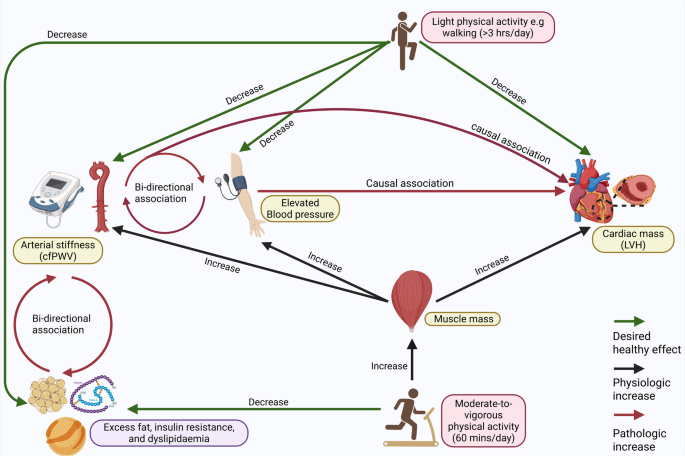
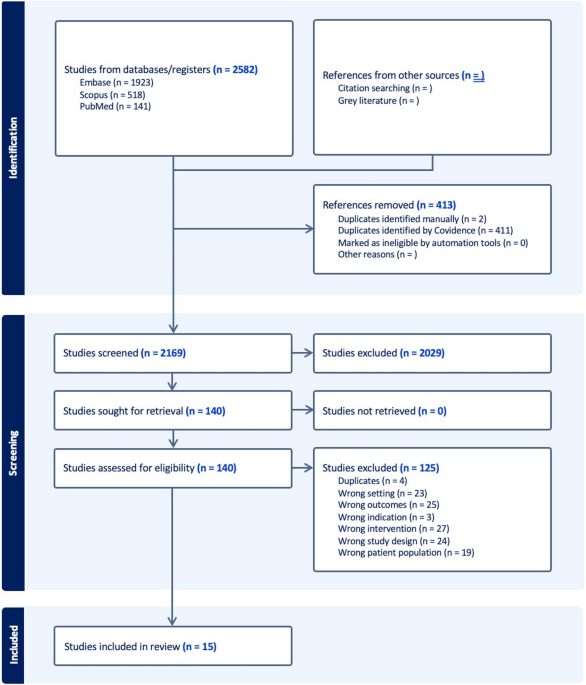
These distinct styles of exercise evoke different hemodynamic responses. During both aerobic and resistance exercise, systolic BP increases according to exercise intensity. Diastolic and mean BP stay fairly constant during aerobic exercise whereas they increase substantially during dynamic resistance and isometric exercise [4]. Notably, systolic and diastolic BP increase to extremely high levels during resistance exercise. During double-leg press in young healthy participants, average BP was 320/250 mmHg, with pressures in one subject exceeding 480/350 mmHg [5]. Due to the substantial increases in BP resulting from resistance exercise and Valsalva maneuvers, resistance training was historically discouraged especially for patients with hypertension. However, pressor responses with resistance exercise get substantially attenuated with the accumulation of resistance training bouts [6]. The accumulating evidence indicates that the benefit of resistance training outweighs the risks in patients with hypertension. High-intensity resistance training has been shown to be safe and effective after myocardial infarction in middle-aged and older adults in a phase 2 cardiac rehabilitation setting [7]. Accordingly, resistance training has been included in the clinical guidelines for BP as early as 2017 [8]. Unlike aerobic exercise training, there is no clear and detailed guidelines for resistance exercise training for the safe and effective guidance toward healthcare professionals (Fig 1).
Fig. 1 The alternative text for this image may have been generated using AI.
General findings related to the best evidence of aerobic and resistance training and blood pressure
Research Evidence from Clinical Trials and Meta-AnalysesThere are some studies reporting that aerobic and resistance exercise appear to confer comparable reductions in BP. For example, a previously published meta-analysis reported reductions in systolic BP of 8 mmHg with aerobic exercise training and 6 mmHg with resistance training in adults with hypertension [9]. However, the majority of available research evidence indicates the magnitude of benefit varies by exercise modality as summarized in the ESC consensus document, which reviewed 34 meta-analyses [10]. Aerobic exercise training consistently produces the greatest effect, lowering systolic/diastolic BP by ~ 7/5 mmHg in individuals with hypertension. Dynamic resistance training elicits more modest reductions (~ 2/2 mmHg), whereas isometric resistance training, though evaluated in fewer and smaller studies, has shown clinically meaningful reductions of ~ 5/5 mmHg [10]. The inclusion of resistance exercise in BP guidelines is primarily based on the accumulated findings on office BP measured before and after the interventions.
Although aerobic exercise and resistance training have been shown to lower office BP [9], findings from ambulatory BP measurements, the gold standard for BP assessment, tell a different story. Aerobic exercise consistently produces significant reductions in ambulatory (24-hour) BP, lowering systolic/diastolic BP by ~ 5/3 mmHg. In contrast, resistance training, whether dynamic or isometric, has not demonstrated significant hypotensive effects on ambulatory BP [11]. A more recent meta-analysis involving patients with hypertension further confirmed that while isometric training significantly reduced office BP, it did not yield significant decreases in ambulatory (24-hour) BP in adults with hypertension [12]. Despite being widely recommended for preserving physical function and independence with aging, dynamic resistance training appears to exert a clinically significant, yet modest, effect on office BP and no reduction in ambulatory BP.
Dose-Response Relation of ExerciseA common question in exercise research is: How much exercise is needed to achieve sufficient hypotensive effects? Compared with other risk factors for coronary heart disease (e.g., plasma cholesterol), the amount of exercise required to reduce BP is very modest [13]. In aerobic exercise, the magnitude of BP reductions increases proportionally with exercise duration up to 150 min per week, with only minimal benefit beyond this threshold. More specifically, every 30 min of aerobic exercise lowered office systolic/diastolic BP by 2/1 mmHg and ambulatory (24-hour) BP by 2/1 mmHg [14]. In resistance training, the dose-response relation has not been systematically examined. However, training-related variables seem to influence the magnitude of BP reduction. Interventions lasting more than 10 weeks produced greater reductions than shorter programs [15]. Larger effects were observed in men compared with women, in individuals over 60 years of age compared with younger peers, and in those with BMI > 28 kg/m² compared with leaner peers [15]. The antihypertensive effects of isometric resistance training are also influenced by various factors. Greater reductions in systolic BP were observed with squats than with handgrip exercises, and with a 2-minute recovery period versus a 1-minute interval in adults with prehypertension [16]. Training frequency seems to be another factor, with programs involving 3–5 sessions per week producing greater decreases than daily training. Systolic BP reduction was positively associated with younger age and a higher proportion of women, and that a 10% increase in maximal strength led to an additional reduction of approximately 2 mmHg in systolic BP [16].
Post-Exercise HypotensionFollowing marked increases BP during exercise, BP goes down gradually afterward, often falling below baseline. This phenomenon is known as the post-exercise hypotension (PEH) [17]. The magnitude of PEH may predict the extent of BP lowering achieved with chronic training [18]. Accordingly, evaluating acute BP responses may provide insight into the long-term effects of exercise training without undergoing several months of interventions. Alternatively, PEH is a way to tease out chronic effects from acute or transient effects of exercise training. Acute reductions in BP have been observed in individuals with hypertension, following different resistance exercise protocols, including traditional dynamic resistance exercise sessions performed to failure or not to failure [19], body-weight resistance exercises [20], and power training in middle-aged and older adults with hypertension [21]. However, these reductions detected in office BP have not been replicated under ambulatory conditions after dynamic [21] or isometric [22] resistance training. Indeed, a meta-analysis of 37 trials showed that a single bout of aerobic exercise lowers ambulatory BP in adults with hypertension, whereas resistance exercise demonstrated no meaningful impact on ambulatory BP [23]. Thus, acute exercise responses focused on PEH are consistent with longer-term interventional studies evaluating the impacts of aerobic and resistance exercise training. These findings also raises a possibility that at least some of the hypotensive effects of resistance training observed in office BP may have been due to PEH.
Emerging Approaches in Exercise InterventionsBecause aerobic exercise and resistance training yield distinct adaptations in the cardiovascular and musculoskeletal systems, combining these training modes, often referred to as combined training or cross-training, is considered to be an effective strategy for improving multiple health-related outcomes simultaneously [24]. This hybrid approach is highly consistent with the current exercise guidelines to provide overall health benefits. A recent meta-analysis reported average reductions in systolic/diastolic BP of 6.4/3.7 mmHg with combined aerobic and resistance training in men and women with essential hypertension [25]. Moreover, greater reductions in systolic BP were associated with higher intensity and volume of the resistance training component [25]. However, it remains unclear whether combined training has a significant impact on post-exercise hypotension or promotes chronic BP reduction when BP was assessed by ambulatory BP monitoring [26].
Recreational sports such as soccer, rugby, and basketball offer socially engaging and motivating opportunities to improve fitness and health, with notable effects on BP. A meta-analysis of middle-aged and older adults found significant BP reductions associated with recreational sports [27]. In a 12-month randomized trial, middle-aged and older sedentary men assigned to weekly 90-min recreational soccer sessions achieved substantial reductions in office BP (~ 12/6 mmHg) and ambulatory BP (~ 5/3 mmHg), along with reduced reliance on antihypertensive medication [28]. Another randomized controlled trial demonstrated that a 12-week recreational beach tennis intervention produced significant decreases in office (6/6 mmHg) and ambulatory nighttime BP (9/4 mmHg) in middle-aged and older adults with essential hypertension [29]. These changes after beach tennis, a fast-growing racket sport being played in over 70 countries, were associated with high adherence, reduced perceived exertion and a high degree of enjoyment during the practice [30]. Characteristics of recreational sports including an ease of learning, a low motor complexity, and a low financial cost, allow participants with chronic diseases or low physical fitness levels to practice the sporting activity. Collectively, these findings suggest that diverse recreational sports modalities can effectively lower both office and ambulatory BP. Importantly, these results highlight the potential of enjoyable, socially supportive activities to enhance long-term exercise adherence, a well-recognized limitation of traditional exercise programs [31].
Calisthenic exercises represent another suitable and accessible alternative of exercise that requires no specialized equipment, can be performed in diverse settings, and are cost-effective [32]. Importantly, evidence indicates that such programs, when associated with walking/running, induce post-exercise hypotension in older adults with hypertension [17], underscoring their promise as a non-pharmacological strategy that remains insufficiently explored in the context of long-term benefits of exercise for hypertension management. In recent years, a number of newer and emerging resistance training modalities are also showing promise as anti-hypertensive therapeutic option. Blood flow restriction training that involves applying BP cuffs to partially restrict venous return during low-load resistance exercise [33] and inspiratory muscle strength training [34] are two good examples.
Physiological Mechanisms Underlying Exercise EffectsArterial BP can be divided into both steady-state and pulsatile components when evaluating the underlying physiological mechanisms [35]. The steady-state component of BP is represented by mean arterial pressure and is an important cardiovascular measure from the physiological standpoint, as it is the effective perfusion pressure to the vital organs [36]. Mean arterial pressure is determined exclusively by cardiac output and total peripheral resistance as governed by Ohm’s law. Most of the available studies that investigated the physiological mechanisms underlying hypotensive effects of exercise on BP have focused on this approach. Aerobic exercise training appears to reduce mean arterial pressure through a reduction in systemic vascular resistance rather than a decrease in cardiac output [37]. Resistance training has not been investigated well using this mechanism but a recent study indicated that the reduction in BP with resistance training was accompanied by a corresponding decrease in total peripheral resistance [38].
In clinical settings, however, the diagnosis and evaluation of BP rely on systolic and diastolic BP. Most of the time, mean arterial pressure is not even calculated. The hemodynamic factors that influence the pulsatile component of BP are much more complex [35]. Systolic BP is governed by many hemodynamic factors, including arterial stiffness, stroke volume, and left ventricular ejection fraction, whereas the primary hemodynamic determinants of diastolic pressure include total peripheral resistance, heart rate, arterial stiffness, and systolic BP [35, 39]. Because of the prominent role that arterial stiffening plays in the pathogenesis of age-associated increases in BP, the impact of exercise on arterial stiffness has been extensively studied. Aerobic exercise training has been shown to reduce central artery stiffness, and this reduction is accompanied by decreases in arterial BP in older adults with hypertension [40, 41]. In contrast, resistance training has been associated with the stiffening of the central artery in young adults [42]. This vascular stiffening effect has been attributed to marked elevations in BP during resistance exercise [5]. However, the stiffening induced by resistance training does not appear to be evoked in older adults [38, 43]. The involvement of the arterial baroreflex in lowering BP with aerobic and resistance exercise is highly controversial but is one of the leading mechanistic explanations for hypotensive effects of isometric training [12]. Mean arterial pressure is one of the regulated variables that are closely monitored at a constant level. Isometric exercise is one of the few interventions that elevated mean BP significantly [4].
SummaryConsidering evidence from ambulatory BP monitoring, strategies to reduce BP should prioritize aerobic exercise while resistance training should not be recommended over aerobic exercise as a sole modality when the primary goal is BP management.
Perspective and Future DirectionsPrevalence and incidence of hypertension increase markedly with advancing age. Aging is also accompanied by a decline in skeletal muscle mass and strength, a condition known as sarcopenia. As well-illustrated by lean appearance of masters endurance athletes, aerobic exercise exerts limited impacts on muscle mass and strength. Resistance training is the most effective intervention to attenuate, prevent, or even reverse this decline. Despite extensive efforts to investigate the role of resistance exercise in BP control, the results remain controversial, especially when ambulatory BP monitoring is used as a primary outcome. Current findings lack precision regarding key exercise prescription parameters, including intensity, duration, frequency, and modality. Many studies included in the meta-analysis are limited by methodological weaknesses and a high risk of bias, including heterogeneity. To strengthen the evidence base, future research should prioritize high-quality large randomized controlled trials with standardized reporting of exercise parameters and rigorous control of confounding factors. Studies examining the impact of resistance training on ambulatory (24-hour) BP are especially warranted to clarify its role in the management of hypertension.
Comments (0)