
Remember me
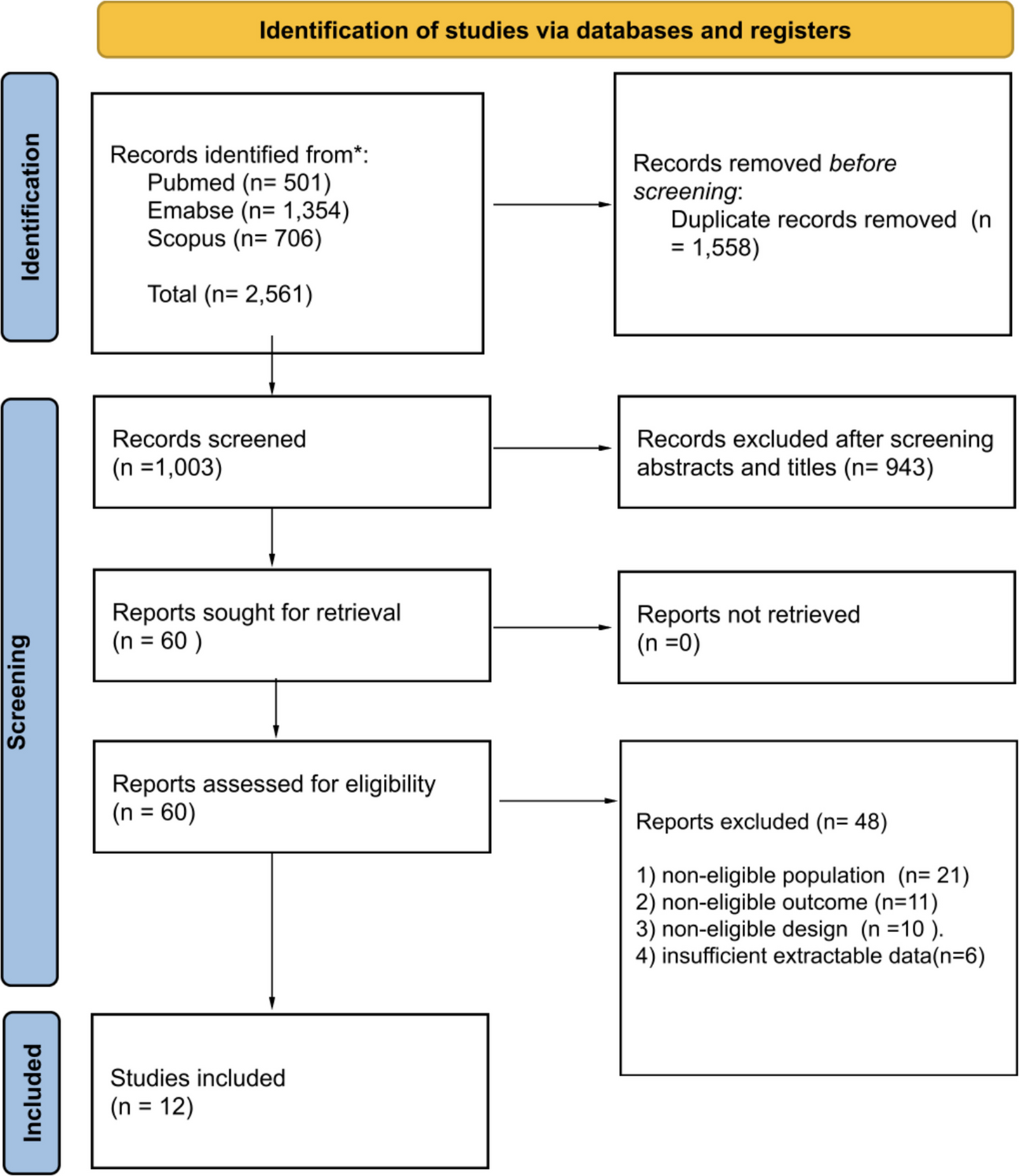
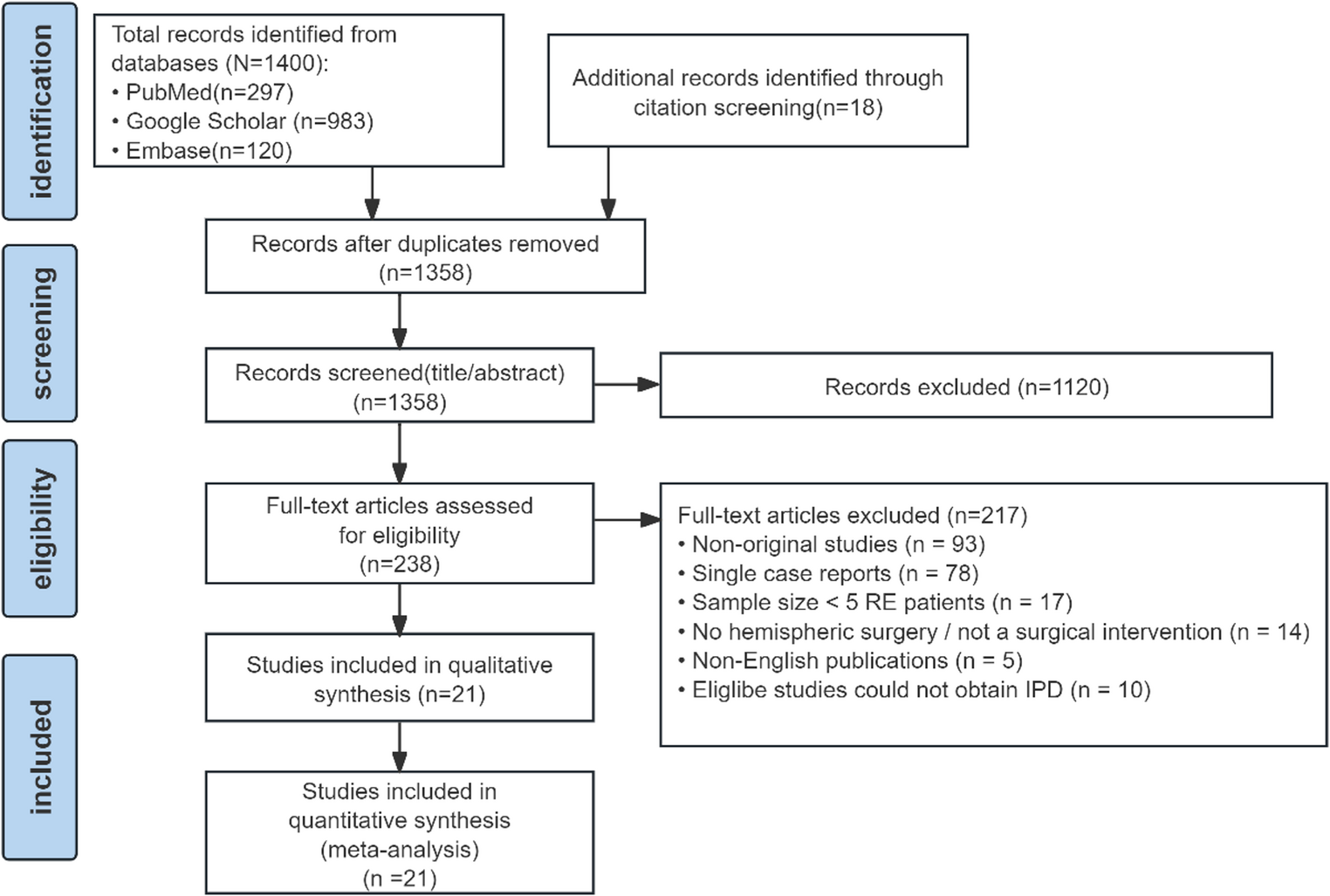
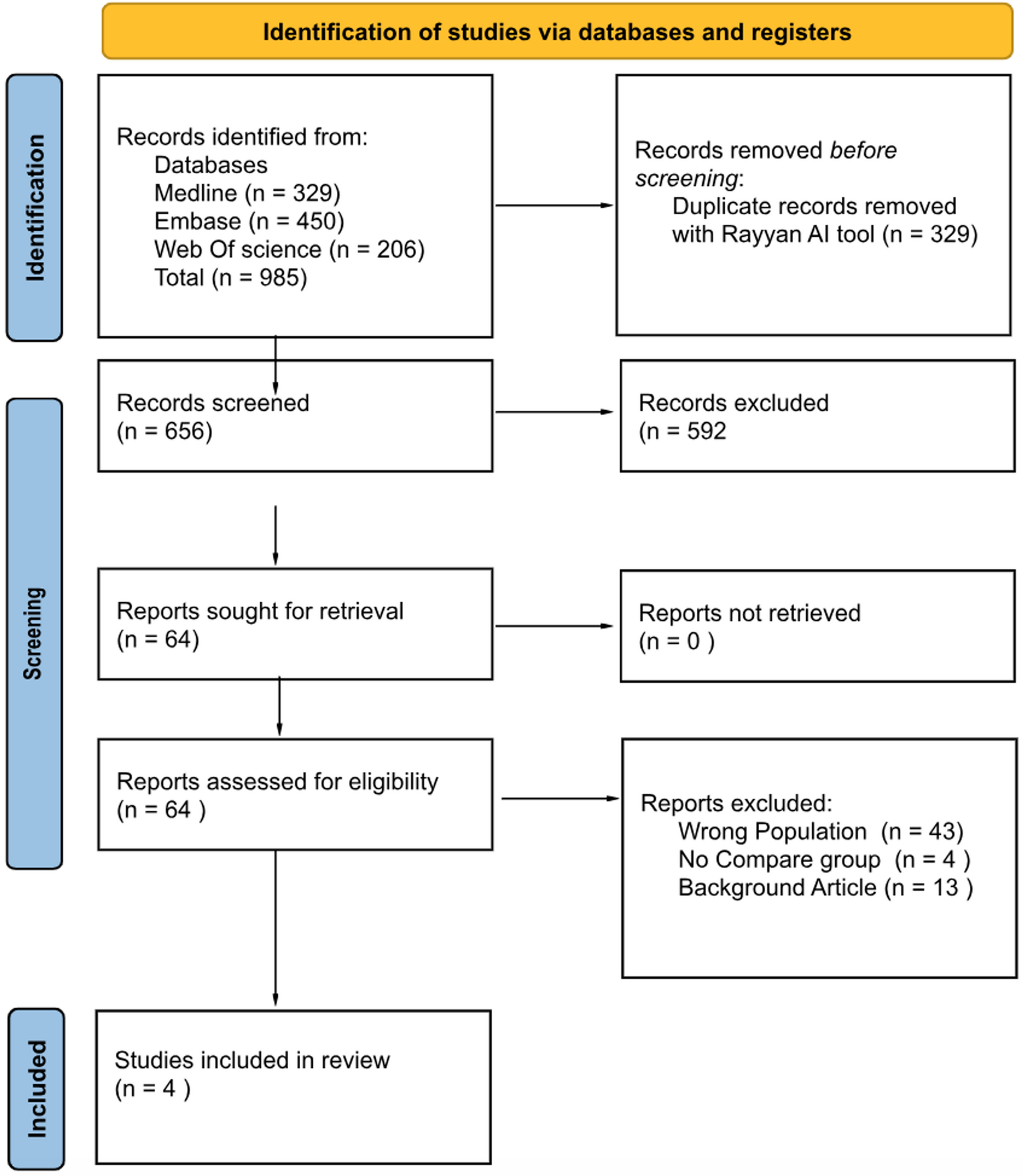
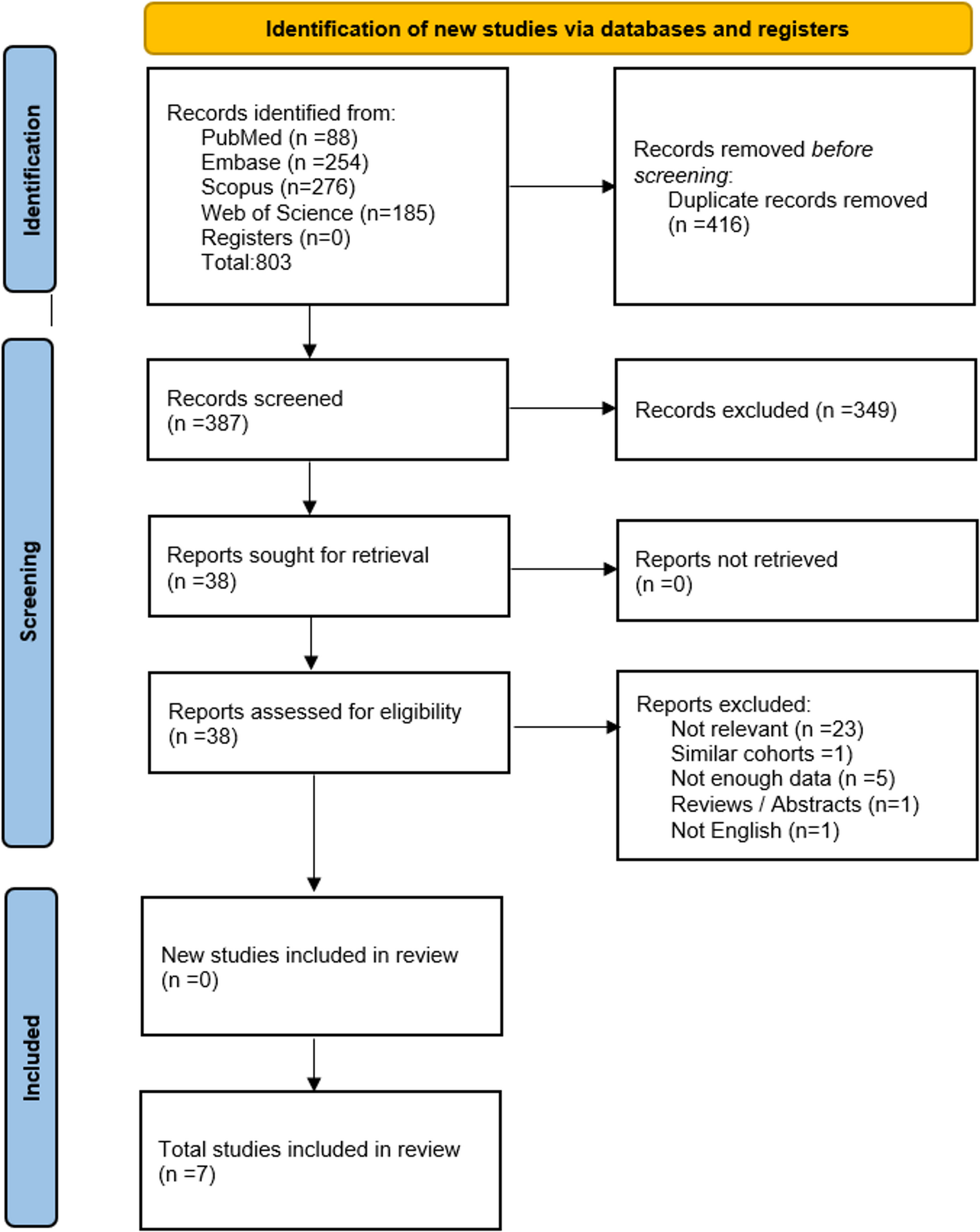

Across nineteen observational studies comprising 1242 geriatric (≥ 60 years) patients with type II odontoid fractures, this network meta-analysis provides a comparative evaluation of NSM, ADS, and PA, contextualized with unique physiological vulnerabilities of the ageing cervical spine. Our principal findings demonstrate no mortality differences between strategies, while fusion outcomes consistently favored surgical intervention (most notably PA), and unstable non-union was significantly more common following NSM than either operative approach. Mechanical complication and secondary operation were broadly comparable, whereas systemic morbidity was more frequent after surgery. Together, this data reinforces a pragmatic, morphology- and frailty-informed framework in which PA offers the most reliable structural correction, ADS provides motion-preserving fixation in selected anatomies, and NSM remains appropriate for physiologically fragile patients whose survival trajectory is dominated by comorbidity rather than fixation strategy.
Clinical interpretation and patient selectionWhen translated into clinical decision-making, these findings should be interpreted as probabilistic guidance rather than prescriptive rules. PA is most likely to benefit patients with displaced, unstable, or irreducible fractures who can tolerate surgery and in whom achieving structural stability is a priority. ADS fixation may be appropriate for selected patients with reducible fracture morphology, preserved bone quality, and a desire to maintain atlantoaxial motion. NSM remains a reasonable option for very frail patients, those with limited physiological reserve, or those unable to tolerate surgery, recognizing their higher risk of non-union but similar overall mortality. Importantly, these recommendations are derived from observational data and are subject to confounding by indication. They should therefore be individualized through multidisciplinary discussion that incorporates patient goals, frailty, comorbidity burden, and tolerance of immobilization rather than interpreted as evidence of causal superiority.
Reframing success: between structural healing and physiological reserveThese findings foreground a central tension in geriatric odontoid fracture care: success is multidimensional. Radiographic union, mechanical alignment, neurological preservation, pain control, functional recovery, and survival each contribute differently depending on patient context [54]. Although surgery clearly improves fusion, with PA achieving over eightfold higher odds of union compared with NSM, and reduces unstable non-union, structural gains must be balanced against the physiological cost of operative intervention in older adults [12, 38]. Several cohort studies have demonstrated that early post-operative morbidity, particularly dysphagia, pulmonary complications, and dependence on enteral feeding, may attenuate the theoretical survival benefit of fixation [2, 6, 10, 13, 48]. This pattern is echoed in the results of our analysis with greater odds of systemic morbidity after ADS and PA despite similar survival across all groups.
Stable and unstable non-union represent distinct clinical entities. Stable non-union often reflects a fibrous union with minimal motion, which may remain clinically tolerable in older adults without neurological compromise [54]. In contrast, unstable non-union is more likely to manifest with persistent pain, progressive displacement, or functional instability, and frequently precipitates secondary surgical intervention. In the present analysis, non-union outcomes were defined as radiographically as reported by the primary studies, and clinical symptom data were inconsistently reported. All analyses were performed on an intent-to-treat basis according to initial management strategy, with secondary operations analyzed as a separate endpoint rather than reclassifying union status.
Age-related physiological shifts further complicate interpretation. Sarcopenia, impaired cough reflex, reduced chest wall compliance, diminished laryngeal sensitivity, endothelial dysfunction, and blunted baroreflexes combine to heighten the perioperative risk associated with prone surgical positioning, airway manipulation, and general anesthesia [31]. These mechanisms help reconcile why NSM, though structurally inferior, yields comparable mortality, where survival in this cohort reflects biological rather than surgical selection. Thus, treatment selection must privilege individualized physiological reserve, not merely chronological age.
Mortality therefore warrants specific contextualization in this population. Mortality in geriatric odontoid fracture is driven predominantly by baseline physiological reserve, comorbidity burden, and injury-related factors rather than fixation strategy alone [48]. Early mortality is often attributable to acute medical complications, aspiration, or deconditioning, whereas later mortality reflects frailty, institutionalization, and competing systemic disease. Given heterogeneous reporting of mortality timepoints across studies, the present analysis should be interpreted as comparing overall mortality risk rather than early versus late survival effects. Accordingly, the absence of a statistically significant mortality difference between treatment strategies should not be construed as equivalence. These observations must also be interpreted in the context of confounding by indication, whereby treatment allocation is strongly influenced by baseline frailty, comorbidity, and injury characteristics that independently affect mortality and morbidity.
Biomechanical and biological foundations of the observed treatment hierarchyThe consistent superiority of PA for union likely reflects its biomechanical advantage in restoring rigid multiplanar stability across the C1-C2 complex. Posterior constructs (such as Goel-Harms C1 lateral mass-C2 pars/pedicle fixation or Magerl trans-articular screws) neutralize flexion–extension and rotational shear while reconstituting the posterior tension band, thereby promoting an osteogenic microenvironment [29]. In older adults with osteopenic or osteoporotic bone, this rigid biomechanical constraint is crucial for preventing micromotion across the fracture plane that would otherwise impede chondral ossification and trabecular bridging. However, osteoporosis was infrequently formally quantified across included studies, with few reporting objective bone density measures such as DEXA-derived T-scores. Consequently, associations between bone quality and treatment failure or non-union were largely inferred rather than empirically tested, and the present discussion reflects biomechanical plausibility rather than causal attribution [12]. Multiple biomechanical studies in cadaveric odontoid fracture models corroborate this, where posterior fixation reduces motion to < 1–2 degrees in flexion and rotation, while ADS constructs permit greater translational shear under physiologic load [50]. These advantages position PA as the most biomechanically robust strategy for displaced, irreducible, comminuted, or translational injuries, and for cases where osteoporosis undermines anterior screw purchase.
Conversely, ADS directly compresses the fracture line and preserves C1-C2 rotation, offering a targeted, motion-preserving strategy in anatomy that permits a favorable screw trajectory. ADS retains a central role for patients with reducible fractures, intact transverse ligament integrity, and favorable odontoid lines, where its biomechanical appeal is further strengthened by shorter operative duration, supine surgical positioning, and avoidance of the physiological demands of prone surgery [30]. However, its success is acutely dependent on fracture reducibility, bone stock, transverse ligament integrity, and odontoid morphology (such as Grauer subtype IIB versus IIC). ADS is also vulnerable to osteoporosis, where diminished screw purchase and altered trabecular architecture reduce construct reliability. These constraints help explain the intermediate performance of ADS in our network, where fusion outcomes surpassed NSM but remained inferior to PA.
NSM, by contrast, relies entirely on external immobilization. Rigid collars cannot neutralize internal shear or micromotion across the C1-C2 articulation [44]. Osteoporotic bone, diminished osteoblastic potential, and age-related impairment of angiogenic signaling (reduced VEGF and TGF-β responsiveness) produce a biological milieu ill-suited to trabecular bridging [60]. This mechanistic triad likely explains why unstable non-union was significantly more frequent after NSM (OR 5.93 versus ADS; OR 13.55 versus PA). Nonetheless, many stable fibrous unions remain clinically silent, allowing NSM to remain viable for select patients prioritizing comfort or avoidance of perioperative risk.
Although collar-based treatment is often considered the least physiologically demanding option, its effectiveness in routine practice may be constrained by real-world adherence [20, 52]. Halo vest immobilization carries device-specific hazards, including pin tract infection, loosening, dysphagia, pressure injury, and impaired horizontal gaze, making it poorly tolerated in frail adults and generally unsuitable as first-line immobilization. In the present analysis, halo vests and rigid cervical collars were therefore grouped under NSM, as most comparative studies did not report outcomes separately by immobilization modality and contemporary practice has largely abandoned halo use in older adults. Rigid cervical collars are therefore the preferred NSM modality in contemporary practice, but their efficacy is wholly dependent on continuous wear for 10–12 weeks [9, 19]. Compliance in older adults is frequently limited by discomfort, cognitive impairment, skin breakdown, and carer support. Consequently, the structural shortcomings of NSM must be interpreted through the lens of adherence rather than protocol fidelity, recognizing that collar-based care, when well tolerated, has not been consistently associated with neurological deterioration.
Integrating fracture morphology, frailty, and goals of care into treatment selectionMorphological factors must guide treatment decisions. Displaced, irreducible, or comminuted injuries, particularly those exceeding 4–5 mm translation or demonstrating atlantoaxial instability, are poorly suited to NSM or ADS and logically favor PA. Conversely, minimally displaced fractures or those presenting in patients with dementia, severe cardiopulmonary disease, or limited life expectancy may be better served by NSM, particularly when functional goals emphasize pain control and avoidance of intervention. Frailty indices, sarcopenia markers, pre-operative swallow assessment, and pulmonary function provide more reliable predictors of post-operative complications than chronological age alone. These considerations align with contemporary paradigms in geriatric trauma, where biologic age and phenotypic vulnerability increasingly replace conventional chronological thresholds.
Patient selection is therefore the fulcrum upon which all treatment decisions rest, and chronological age is an inadequate discriminator. Functional age, frailty phenotype, comorbidity burden, bone quality, and fracture morphology together determine the physiological capacity to withstand operative stress. NSM remains appropriate for minimally displaced fractures, acceptable alignment, absence of myelopathy, and patients with high comorbidity burden or cognitive impairment who prioritize avoidance of surgery. ADS is best suited to reducible fractures with favorable orientation, intact transverse ligament support, and patients in whom motion preservation or avoidance of prone surgical positioning is desirable. PA is preferred for displaced, irreducible, or unstable fractures, or where osteoporotic bone compromises anterior fixation. The challenge is to reconcile the structural advantages of surgery with its perioperative risks in older adults, matching treatment to individual physiology and care goals. Figure 6 provides a pragmatic morphology-frailty-mechanics framework synthesizing these decision variables into a clinically actionable algorithm.
Fig. 6
Pragmatic morphology-frailty-mechanics decision algorithm for the management of type II odontoid fractures in geriatric populations. This flowchart outlines a structured approach to treatment selection incorporating fracture displacement (> 5 mm), physiological reserve, comorbidity burden, and anatomical suitability for fixation. Minimally displaced fractures or patients with poor physiological reserve favour non-surgical management (NSM). Among fit patients with displaced fractures, either anterior dens screw (ADS) or posterior arthrodesis (PA) may be selected based on fracture reducibility, transverse ligament integrity, and biomechanical stability requirements. ADS is prioritised for reducible fractures with favourable morphology and when motion preservation or avoidance of prone surgical positioning is desirable, whereas PA is preferred for irreducible, comminuted, osteoporotic, or overtly unstable C1-C2 injuries. This algorithm synthesises clinical, biomechanical, and geriatric considerations to guide personalised treatment selection. Abbreviations: Anterior = Anterior Dens Screw Fixation. NSM = Non-Surgical Management. Posterior = Posterior Arthrodesis
From a clinical implementation perspective, the present framework is best applied within a multidisciplinary setting that integrates spinal surgery, geriatrics, anesthesiology, rehabilitation medicine, and allied health services. In older adults, outcomes following odontoid fracture are strongly influenced by post-treatment care, including early mobilization, swallow assessment, pulmonary hygiene, and structured rehabilitation. Operative strategies may require proactive dysphagia screening and respiratory support, whereas NSM depends heavily on adherence to immobilization, skin care, and carer support. Fracture management should therefore extend beyond fixation strategy alone and incorporate peri-treatment rehabilitation capacity, discharge planning, and patient-centered goals of care.
Contextualizing our results within the existing evidence baseOur findings align with prior meta-analyses showing higher odds of fusion with PA [21, 53] and confirm the well-recognized dysphagia burden associated with the anterior approach [10]. They also corroborate earlier cohort studies in which mortality differences between operative and non-operative groups diminished after adjusting for comorbidity and functional status [37, 58]. Importantly, our demonstration of elevated systemic morbidity after surgery mirrors broader evidence in hip fracture, thoracolumbar trauma, and cervical spondylotic myelopathy populations, where frailty rather than surgical technique drives 90-day mortality and readmission [25, 26, 56].
A key limitation of the current evidence landscape is the near-absence of functional outcomes [54]. Measures such as the Neck Disability Index (NDI), Short Form 36 Health Survey (SF-36) physical and mental component scores, EuroQol 5 (EQ-5D), or targeted geriatric functional scales were rarely reported across included studies, despite their centrality to outcome appraisal in older adults. Radiographic union does not always translate into improved independence, swallow safety, or quality of life, and a stable fibrous union may offer acceptable pain control and functional preservation in selected patients [57]. Similarly, inconsistent reporting of dysphagia metrics limits interpretation of morbidity differences between ADS and PA. Future prospective studies incorporating patient-reported outcome metrics (PROMs) and validated functional scales are needed to define what constitutes meaningful recovery in this population.
Methodological considerationsThis study is limited by the observational nature of all included evidence, resulting in susceptibility to confounding by indication. In geriatric odontoid fracture care, treatment selection is closely linked to baseline frailty, comorbidity burden, fracture displacement, reducibility, and tolerance of immobilization, each of which independently influences mortality and morbidity. As a result, comparisons (particularly for survival and systemic complications) may reflect differences in patient selection rather than causal effects of treatment strategy, despite network transitivity being satisfied and no evidence of global or local inconsistency.
Outcome definitions for fracture healing varied across included studies, with differences in how union, stable (fibrous) union, and non-union were defined and assessed. Imaging modalities and follow-up schedules were heterogeneous, ranging from plain radiography to computed tomography at variable timepoints, which may have influenced classification of healing states. Outcomes were therefore extracted and synthesized according to the definitions used in the primary studies, and distinctions between osseous union and clinically stable fibrous union should be interpreted with caution when comparing pooled estimates across cohorts. In addition, heterogeneity in fracture classification may have influenced network transitivity; although most cohorts focused on Anderson-D’Alonzo type II fractures, reporting of Grauer subtypes was inconsistent, and differences in reducibility, comminution, and fracture orientation may have contributed to treatment selection and outcome variability.
Event counts for several outcomes, including unstable non-union, mechanical complications, and systemic morbidity, were sparse, widening CIs and reducing the precision of treatment rankings. Although global and local inconsistency tests revealed no significant incoherence, some contrasts (such as ADS versus PA) relied partially on indirect evidence. Frailty and comorbidity indices (such as the CCI or American Society of Anesthesiologists (ASA) physical status grade) were variably reported, precluding consistent adjustments for physiological reserve across studies. Sensitivity analyses restricted to studies with comparable baseline frailty, comorbidity burden, or fracture morphology were therefore not feasible, as these characteristics were inconsistently reported and variably defined. Similarly, age-stratified effect estimates could not be reliably derived from aggregate data, as most studies reported only overall cohort means or medians without stratified outcomes. In addition, functional outcomes, pain metrics, swallowing or aspiration risk, discharge destination, and quality-of-life measures were inconsistently reported, limiting the ability to contextualize structural outcomes with patient-centered endpoints. Most outcomes were reported as binary endpoints at fixed follow-up intervals. Future prospective studies would benefit from time-to-event analyses for mortality, reoperation, and complication burden. Addressing age-, frailty-, and morphology-specific treatment effects will likely require prospective cohorts or individual patient-level meta-analysis with standardized reporting.
Future directionsFuture work should prioritize prospective, multicenter comparative cohorts that stratify by fracture morphology, bone quality, frailty indices, and dysphagia risk. Standardized definitions of union, stable non-union, and systemic complications (including swallow evaluations, pulmonary metrics, and validated geriatric functional scales) would improve comparability. Biomechanical modelling and finite element studies could refine thresholds for displacement and fracture line orientation predictive of success in ADS versus PA. Finally, incorporating patient-reported outcomes, deglutition assessments, and global health metrics would better define what “successful treatment” means for this uniquely vulnerable population.
Comments (0)