Individual treatment planning for liver surgery is a significant clinical challenge due to frequent anatomical variations and alterations caused by tumor growth or prior interventions [1,2,3]. Surgeons must balance the need for complete oncological resection with the preservation of critical vascular structures and adequate postoperative liver function [4]. Consequently, accurate pre-operative interpretation of the tumor’s relationship to intrahepatic structures is crucial. Traditionally, this complex planning has relied on two-dimensional (2D) radiological images, such as computed tomography (CT) and magnetic resonance imaging (MRI) [5, 6]. While essential, 2D imaging makes it difficult to fully appreciate the complex, three-dimensional relationships between tumors and intrahepatic structures, which can potentially limit clinical decision-making. Advanced resection of tumors involving major blood vessels or bile ducts often necessitates complex procedures, including multi-segment resections or reconstructions of vascular structures. These factors determine lesion resectability [7, 8]. Missed lesions or erroneous diagnoses can result in complications [9] or lead to a positive resection margin [10,11,12,13].
With technological advancements, three-dimensional (3D) anatomical models are emerging as powerful adjuncts. These models, whether physical or digital, provide a detailed and intuitive representation of vascular anatomy and spatial tumor relationships. However, their widespread adoption has been limited by practical barriers, primarily the process of segmentation, with manual labeling of anatomical structures. This process is time-consuming and resource-intensive; creating a single annotation can take up to 5 h [14, 15]. Several factors, like the quality of imaging data and the annotator’s experience, may influence the efficiency and accuracy of this process [16, 17], making it impractical for routine use. Although ML promises faster segmentation, real-world implementation is hindered by scanner/protocol heterogeneity, limited and variable annotations (notably for fine vascular/biliary structures), and inconsistent Magnetic Resonance Cholangiopancreatography (MRCP) availability, requiring reliable multimodal registration. Equally important are operational challenges, including clinician review and sign-off, as well as seamless Digital Imaging and Communications in Medicine (DICOM)/Picture Archiving and Communication System (PACS) integration within MDT workflows. These technical and workflow factors currently limit the routine, same-day generation of high-fidelity 3D liver models.
Early clinical adoption focused on 3D-printed, patient-specific models, which offer tactile, intuitive visualization and are useful for education and selected operative planning. However, they are costly, slow to produce (taking hours to days), static (unable to be updated when new information appears), difficult to scale, and provide limited quantitative tools (e.g., interactive measurements or virtual resections). In contrast, digital three-dimensional liver models (3DL-RL) rendered from CT/MRI are increasingly supported by machine learning (ML)–assisted segmentation, interactive, shareable across MDT settings, enable precise measurements, virtual resections, and rapid re-planning, and have low marginal cost once the segmentation pipeline is established. Their main challenges relate to segmentation quality and workflow integration, but these are progressively mitigated by improving ML, multimodal registration (CT–MRI/MRCP), and clinician-in-the-loop. Given these practical advantages for routine pre-operative planning, the remainder of this study focuses on 3DL-RL rather than 3D printing.
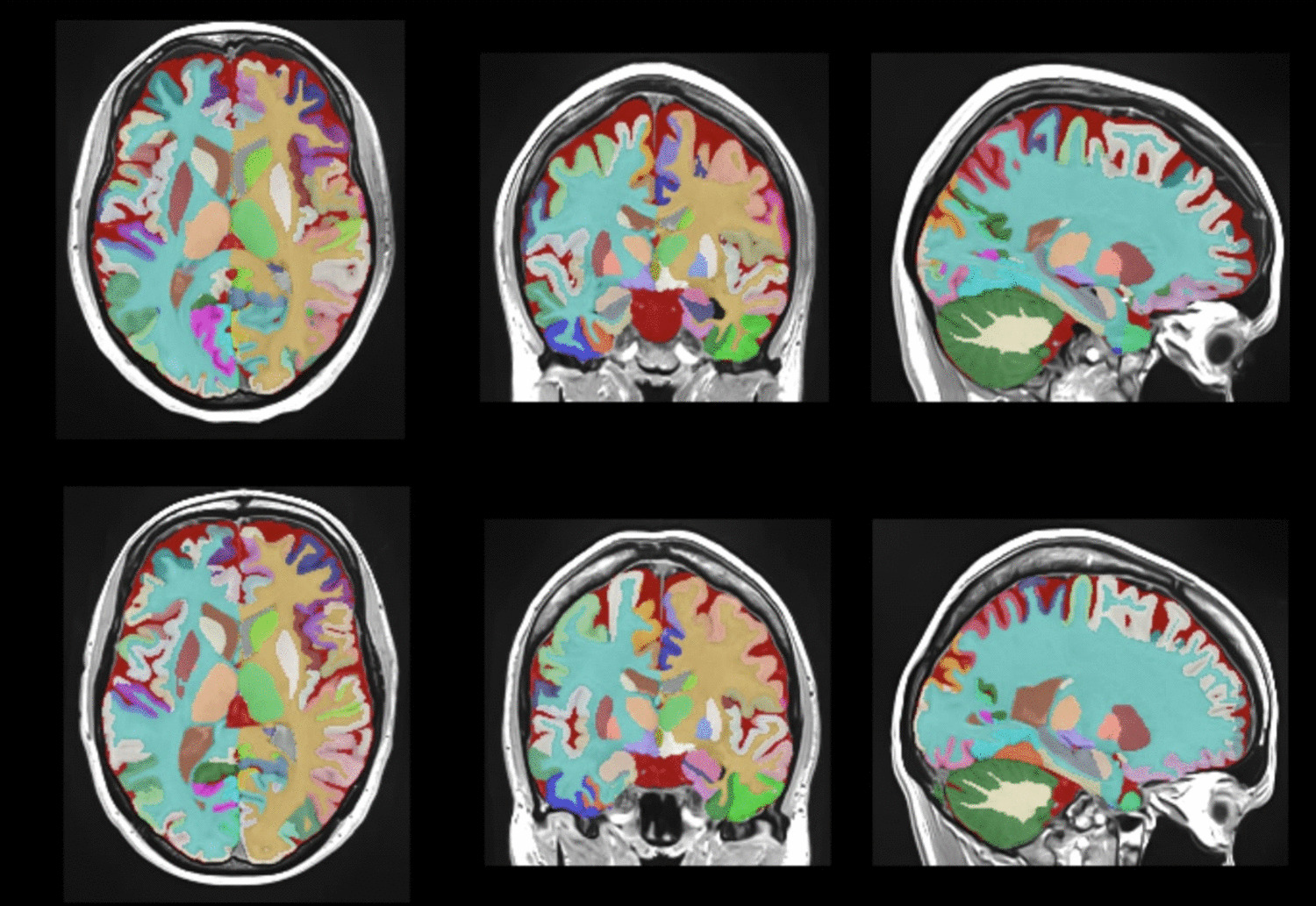
An alternative approach involves generating a 3DL-RL using specialized software such as 3D Slicer. These models enable users to interact with liver anatomy, allowing them to perform actions such as rotation, precise measurements between anatomical structures, and virtual dissections. This form of 3D visualization was recently applied in a large clinical study conducted at Oslo University Hospital, demonstrating its clinical utility [18].
Despite several barriers, a growing body of evidence supports the utility of 3D models [19, 20]. Previous investigations, largely from single institutions, have shown that 3D reconstructions enhance surgeons’ understanding of anatomy [21], improving confidence in planning [22], and can lead to substantial changes in the chosen surgical strategy [23]. Furthermore, studies in surgical training have demonstrated that 3D models improve the accuracy and speed of planning among trainees [24]. The existing literature supports 3D visualization as a valuable tool [25]. However, a crucial gap remains; there is a lack of evidence on how these models impact surgical decision-making and consistency in planning in a broad context, such as a national healthcare system. Beyond image fidelity, surgeon perception drives pre-operative choices. Variability in training, risk tolerance, and interpretation of a given set of images illustrating segmental inflow or venous drainage may influence individual planning differently. Capturing these perceptions provides decision-level evidence on where 3D information alters strategy, which is critical for MDT workflows and for designing outcome-linked trials.
Therefore, the aim of this study was not to measure clinical outcomes, but to address this gap by evaluating the perceived clinical utility and direct impact of digital 3D visualization on pre-operative surgical planning. Through a multicenter survey of specializedHPB surgeons from all five centers in Norway, we sought to assess the adoption, ease of use, and clinical value of these models in a simulated, real-world context. Our multicenter, case-based design was chosen to quantify surgeon-level decision effects and variability in real-world planning contexts rather than to re-evaluate segmentation accuracy alone.

Comments (0)